Maintaining optimal airflow in HVAC systems is essential for indoor comfort, energy efficiency, and air quality. When airflow problems arise, they can be difficult to pinpoint without the right tools. One of the most effective modern solutions is duct camera inspection for airflow issues. This method uses specialized cameras to visually assess the interior of ductwork, helping technicians accurately diagnose and resolve blockages, leaks, and other obstructions that disrupt air circulation.
Homeowners and facility managers often overlook ductwork when troubleshooting HVAC performance. However, hidden issues inside ducts can lead to uneven temperatures, increased utility bills, and even health concerns. By leveraging video technology, professionals can identify the root causes of airflow problems and recommend targeted solutions.
For those interested in broader duct maintenance strategies, understanding how to clean insulated ductwork safely can further enhance system performance and longevity.
How Camera Technology Transforms Ductwork Diagnostics
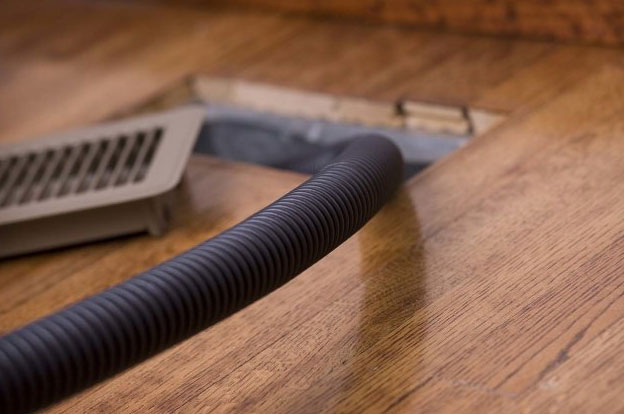
Traditional methods of diagnosing airflow concerns often relied on guesswork or invasive procedures, such as dismantling sections of ductwork. Today, duct camera inspection for airflow issues provides a non-destructive, efficient alternative. Technicians insert a flexible, high-resolution camera into the duct system, transmitting real-time video to a monitor. This allows for a thorough visual assessment without unnecessary disruption.
The camera can navigate bends, joints, and long stretches of ducting, capturing images of dust buildup, debris, mold, pest infestations, and physical damage. By pinpointing the exact location and nature of the problem, professionals can develop precise repair or cleaning plans, saving time and reducing costs.
Common Airflow Problems Uncovered by Duct Cameras
Visual inspections using cameras frequently reveal a range of issues that impact HVAC performance. Some of the most common findings include:
- Blockages: Accumulated dust, pet hair, construction debris, or foreign objects can restrict airflow, causing uneven heating or cooling.
- Leaks and Gaps: Separated joints, holes, or disconnected sections allow conditioned air to escape, reducing system efficiency and increasing energy costs.
- Mold and Moisture: Damp conditions inside ducts promote mold growth, which not only restricts airflow but also poses health risks.
- Pest Intrusions: Rodents or insects may nest in ductwork, creating obstructions and contaminating indoor air.
- Physical Damage: Crushed or collapsed ducts from improper installation or external pressure can severely limit air movement.
By identifying these issues early, property owners can address them before they escalate into more significant and costly repairs.
Benefits of Using Cameras for Airflow Diagnostics
Employing duct camera inspection for airflow issues offers several advantages over traditional troubleshooting techniques:
- Accuracy: Direct visual evidence eliminates guesswork, ensuring the real problem is addressed.
- Efficiency: Faster diagnostics mean less downtime and inconvenience for occupants.
- Cost-Effectiveness: Targeted repairs or cleaning reduce unnecessary labor and material expenses.
- Documentation: Video footage can be saved for records, insurance claims, or to demonstrate the need for repairs to stakeholders.
- Non-Invasive: Inspections can be performed without dismantling large sections of ductwork, preserving the integrity of the system.
These benefits make camera-based inspections an essential tool for both residential and commercial HVAC maintenance.
When to Schedule a Duct Camera Assessment
Not every airflow concern requires immediate camera inspection, but certain signs indicate a deeper look is warranted:
- Persistent hot or cold spots in different rooms
- Unexplained increases in energy bills
- Visible dust buildup around vents or registers
- Unusual odors or signs of mold
- Recent renovations or construction that may have introduced debris
- Suspected pest activity in the duct system
Proactive inspections can also be beneficial after major cleaning projects or before purchasing a new property, ensuring the HVAC system is in good condition.
Integrating Camera Inspections With Other Duct Maintenance Methods
While video technology is invaluable for diagnostics, it works best as part of a comprehensive duct maintenance plan. After identifying obstructions or damage, technicians may recommend cleaning, sealing, or repairs. Techniques such as the negative air pressure cleaning method can be paired with camera inspections for thorough results.
Additionally, incorporating preventive measures—like regular filter changes and using UV lights to control microbial growth—can help maintain clear, efficient ductwork. For more on this, see the role of UV lights in duct cleanliness.
Choosing a Qualified Service Provider for Video Inspections
Selecting the right professional is crucial for reliable results. Look for HVAC contractors who specialize in camera-based duct assessments and have a track record of accurate diagnostics. Ask about the type of camera equipment used, request sample footage if possible, and ensure the provider offers clear explanations and actionable recommendations.
For a detailed overview of the process and its benefits, consult resources like this comprehensive guide to duct camera inspections.
Preventing Future Airflow Issues With Regular Monitoring
Routine inspections are key to maintaining healthy, efficient duct systems. By scheduling periodic camera assessments, property owners can catch developing problems early, avoid costly repairs, and ensure consistent indoor comfort. Combining these inspections with best practices—such as keeping ducts clean during home remodeling and monitoring for symptoms of sick building syndrome—further protects your investment.
For tips on safeguarding your ductwork during renovations, explore ways to keep ducts clean during remodeling. If you suspect your building’s air quality is affecting health, learn about the symptoms of sick building syndrome from ducts.
Frequently Asked Questions
What are the main advantages of using a camera for duct inspections?
Camera inspections provide direct visual confirmation of blockages, leaks, or damage inside ductwork. This method is non-invasive, accurate, and allows for targeted repairs, saving both time and money compared to traditional approaches.
How often should duct camera inspections be performed?
The frequency depends on factors like building age, occupancy, and environmental conditions. Generally, it’s wise to schedule an inspection every few years, or sooner if you notice persistent airflow problems, after major renovations, or when moving into a new property.
Can camera inspections detect mold or pest infestations?
Yes, high-resolution cameras can reveal visible mold growth, moisture accumulation, and evidence of pests such as nests or droppings. Early detection allows for prompt remediation, improving indoor air quality and system performance.