Keeping your HVAC system running efficiently and safely is a top priority for homeowners and facility managers alike. One of the most effective ways to ensure your air ducts remain clean and free of hidden issues is through the use of advanced camera technology. Duct camera inspection benefits go far beyond what traditional visual checks or guesswork can offer, providing a clear and detailed look inside your ductwork. This approach helps identify blockages, leaks, and contamination that might otherwise go unnoticed, supporting better air quality and system performance.
If you’re interested in learning about related maintenance strategies, you might also find value in this guide on how to clean insulated ductwork safely, which complements the advantages of camera-based inspections.

Understanding Camera-Based Duct Inspections
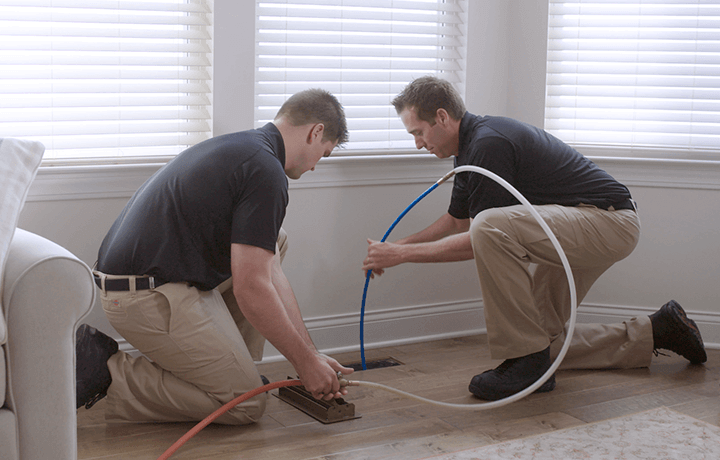
Camera inspections involve inserting a specialized, flexible camera into the ductwork. This device transmits real-time video to a monitor, allowing technicians to see inside even the most hard-to-reach areas. Unlike traditional methods, which often rely on guesswork or limited visual access, this technology provides a comprehensive view of the entire system.
The process is non-invasive and typically requires minimal disruption to your home or business. By using a camera, professionals can pinpoint specific areas of concern, such as mold growth, pest infestations, or accumulated debris, without the need for unnecessary dismantling or exploratory work.
Key Advantages of Duct Camera Inspections
There are several compelling reasons to consider this advanced approach for your HVAC maintenance routine. Let’s explore the most significant duct camera inspection benefits for both residential and commercial systems.
Pinpointing Hidden Issues for Targeted Repairs
One of the primary strengths of camera-based inspections is the ability to identify problems that would otherwise remain hidden. These can include:
- Obstructions such as dust, debris, or foreign objects
- Leaks or cracks in ductwork joints
- Mold colonies or moisture buildup
- Signs of rodent or insect activity
By locating these issues precisely, technicians can recommend targeted repairs or cleaning, saving time and reducing unnecessary costs.
Improving Indoor Air Quality
Poor air quality can lead to a variety of health issues, especially for those with allergies or respiratory conditions. Camera inspections help ensure that contaminants such as dust, pollen, and mold are detected and addressed promptly. This proactive approach supports a healthier indoor environment and can reduce symptoms associated with dirty ductwork, such as those described in resources on symptoms of sick building syndrome from ducts.
Enhancing Energy Efficiency
When ducts are blocked or leaking, your HVAC system must work harder to maintain the desired temperature. This leads to increased energy consumption and higher utility bills. By using a camera to spot and resolve these issues, you can restore optimal airflow and system efficiency, often resulting in noticeable cost savings over time.
Supporting Preventive Maintenance
Regular camera inspections are a valuable addition to any preventive maintenance plan. They allow for early detection of potential problems before they escalate into costly repairs or system failures. This proactive strategy helps extend the lifespan of your HVAC equipment and minimizes unexpected breakdowns.
Integrating this technology with other modern maintenance methods, such as the role of UV lights in duct cleanliness or understanding the negative air pressure method, can further enhance the overall health and performance of your ductwork.
Streamlining the Cleaning Process
Another major benefit of camera inspections is the ability to verify the effectiveness of cleaning services. After a professional duct cleaning, a follow-up camera check can confirm that all debris and contaminants have been removed. This provides peace of mind and ensures that your investment in cleaning delivers real results.
Reducing Unnecessary Disruption
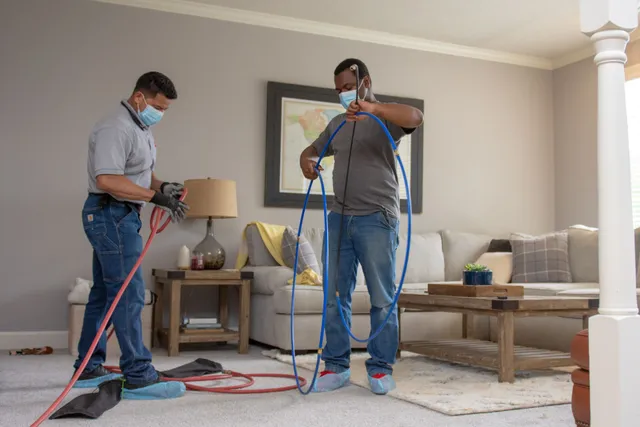
Traditional inspection methods often require sections of ductwork to be dismantled or removed, leading to disruption and potential damage. With camera technology, inspections are minimally invasive, reducing the need for extensive labor and preserving the integrity of your HVAC system.
This is particularly valuable during home renovations or remodeling projects. For tips on maintaining duct cleanliness during such times, see these ways to keep ducts clean during remodeling.
When Should You Schedule a Camera Inspection?
While regular inspections are recommended, there are specific situations where a camera-based approach is especially beneficial:
- After construction or major renovations
- When experiencing unexplained odors or reduced airflow
- If you suspect pest infestations or water damage
- Before and after professional duct cleaning
- As part of routine annual maintenance
For a deeper dive into the process and what to expect, you can review this detailed overview of HVAC duct camera inspection procedures.
Choosing a Qualified Service Provider
Not all HVAC companies offer camera inspection services, so it’s important to choose a provider with the right equipment and expertise. Look for technicians who are trained in using camera technology and can provide you with clear images or video footage of your ductwork. This transparency ensures that you receive accurate information and can make informed decisions about any recommended repairs or cleaning.
Frequently Asked Questions
How often should duct camera inspections be performed?
Most experts recommend scheduling a camera inspection every one to two years, or whenever you notice changes in air quality, airflow, or system performance. Homes with pets, recent renovations, or allergy sufferers may benefit from more frequent checks.
Can camera inspections detect mold and pests?
Yes, camera technology is highly effective at identifying mold growth, moisture buildup, and signs of pest infestations. Early detection allows for prompt remediation, preventing further damage and health risks.
Is the inspection process disruptive?
Camera-based inspections are minimally invasive and typically require no dismantling of ductwork. The process is quick, clean, and does not interfere with your daily routine.
What are the main advantages over traditional inspections?
The main advantages include precise detection of hidden issues, improved air quality, increased energy efficiency, and the ability to verify cleaning results. Camera inspections also reduce unnecessary labor and system disruption.
Conclusion
Embracing modern inspection methods for your HVAC system delivers clear advantages in terms of efficiency, air quality, and cost savings. By leveraging the latest camera technology, you gain a detailed understanding of your ductwork’s condition and can address problems before they escalate. Whether you’re maintaining a home or managing a commercial property, investing in regular camera inspections is a smart step toward healthier, more reliable indoor environments.