Maintaining healthy indoor air is a growing concern for homeowners and building managers alike. With the increased awareness of how airborne contaminants can affect health, especially in enclosed environments, it’s essential to understand how heating, ventilation, and air conditioning (HVAC) systems can either help or hinder efforts to reduce the spread of bacteria through the air. This guide explores practical steps for airborne bacteria prevention using proven HVAC safety strategies, helping you create a safer, cleaner living or working space.
Indoor air quality is influenced by many factors, including ventilation, filtration, and moisture control. Bacteria, mold spores, and other microorganisms can thrive in poorly maintained HVAC systems, leading to respiratory issues, allergies, and even outbreaks of illness. By following expert recommendations and implementing targeted solutions, you can significantly lower the risk of airborne pathogens circulating indoors.
For those interested in more specialized cleaning methods, learning about the how to clean insulated ductwork safely can further enhance your approach to indoor air safety.
Understanding How Airborne Bacteria Spread Indoors
Bacteria and other pathogens can become airborne through coughing, sneezing, talking, or even from surfaces and HVAC components. Once suspended in the air, these microorganisms can travel throughout a building via ventilation ducts, potentially exposing occupants to health risks. Factors such as humidity, temperature, and air circulation all play roles in how efficiently bacteria are distributed.
HVAC systems are designed to regulate temperature and airflow, but if not properly maintained, they can become breeding grounds for bacteria and mold. Dust, moisture, and organic debris inside ducts or on coils provide ideal conditions for microbial growth. When the system operates, these contaminants can be released back into the air, increasing the risk of illness.
Key HVAC Strategies for Reducing Airborne Bacteria
Implementing the right HVAC practices is crucial for minimizing the spread of airborne pathogens. Here are several effective approaches:
- Use High-Efficiency Filters: Upgrading to HEPA or electrostatic filters can capture much smaller particles, including bacteria and some viruses, compared to standard filters.
- Maintain Proper Ventilation: Ensuring adequate air exchange with outdoor air helps dilute indoor contaminants and reduces the concentration of bacteria.
- Control Humidity: Keeping indoor humidity between 30% and 50% discourages microbial growth. Excess moisture can foster mold and bacteria in ducts and on surfaces.
- Regular Cleaning: Routine cleaning of ducts, coils, and drip pans removes dust and organic matter that bacteria feed on.
- Disinfect HVAC Components: Using anti-microbial sprays or treatments on coils and ductwork can reduce microbial buildup.
Choosing the Right Air Filtration Solutions
Not all air filters are created equal. For those focused on airborne bacteria prevention, it’s important to select filters that are rated to capture microscopic particles. HEPA filters, for example, are capable of trapping 99.97% of particles as small as 0.3 microns, making them highly effective against bacteria and allergens.

Electrostatic filters are another option, using static electricity to attract and trap particles. These can be washed and reused, making them a cost-effective and eco-friendly solution. When selecting a filter, always check the Minimum Efficiency Reporting Value (MERV) rating; a higher MERV rating means better filtration, but be sure your HVAC system can handle the increased airflow resistance.
Routine Maintenance for Cleaner Indoor Air
Consistent maintenance is one of the most effective ways to prevent bacteria from spreading through your HVAC system. Here are some essential tasks:
- Change Filters Regularly: Replace or clean filters according to manufacturer recommendations, or more often if you have pets, allergies, or live in a dusty environment.
- Inspect and Clean Ductwork: Schedule professional duct cleaning to remove accumulated dust, debris, and microbial growth. For tips, see the role of UV lights in duct cleanliness for advanced disinfection options.
- Check for Leaks and Moisture: Address any water leaks or condensation issues promptly to prevent mold and bacteria from taking hold.
- Clean Coils and Drip Pans: These areas are prone to moisture buildup and should be cleaned and disinfected regularly.
Humidity Control and Its Impact on Bacterial Growth
Humidity plays a significant role in the survival and spread of airborne microorganisms. High humidity levels can encourage the growth of bacteria and mold, while very low humidity can irritate respiratory passages and make people more susceptible to infection. Keeping indoor humidity in the optimal range (30–50%) is a simple yet powerful way to support airborne bacteria prevention.
Using a hygrometer to monitor humidity and employing dehumidifiers or humidifiers as needed can help maintain a healthy balance. Additionally, ensuring your HVAC system is properly sized and maintained will prevent excess moisture buildup in ducts and other components.
Additional Steps for Enhanced Indoor Air Quality
While HVAC maintenance is central to reducing airborne bacteria, there are other measures you can take to further protect your indoor environment:
- Increase Natural Ventilation: Open windows and doors when weather permits to allow fresh air to circulate.
- Limit Indoor Pollutants: Avoid smoking indoors, reduce the use of aerosol sprays, and store chemicals safely.
- Monitor Air Quality: Use indoor air quality monitors to detect changes in particulate matter and humidity.
- Educate Occupants: Encourage good hygiene practices, such as frequent handwashing and covering coughs and sneezes.
For a deeper dive into the science behind indoor air quality, the EPA’s introduction to indoor air quality provides a comprehensive overview of contaminants and control strategies.
Recognizing Signs of Poor Indoor Air Quality
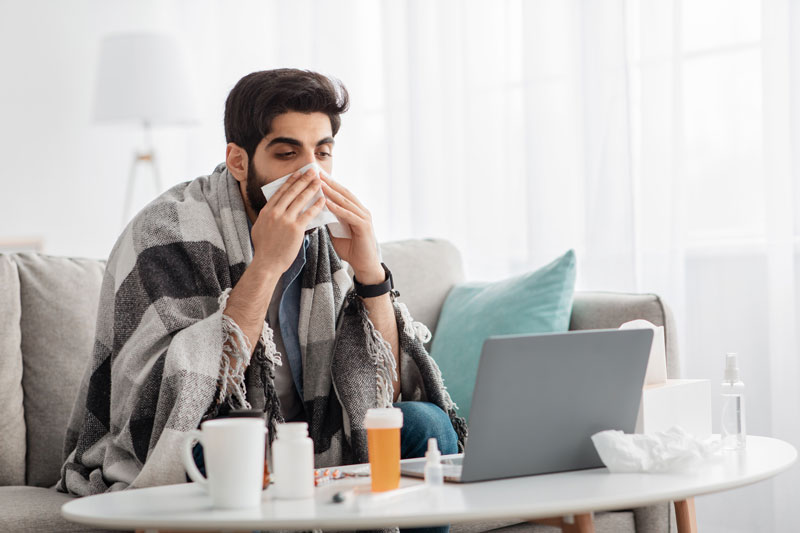
Even with the best prevention strategies, it’s important to recognize symptoms that may indicate a problem with your indoor air. Common signs include persistent coughing, sneezing, headaches, fatigue, or worsening allergy and asthma symptoms. If multiple occupants experience similar symptoms, it may be time to assess your HVAC system and consider professional cleaning or upgrades.
For more information on health effects and warning signs, explore the symptoms of sick building syndrome from ducts for detailed guidance.
FAQ: Airborne Bacteria and HVAC Safety
How often should HVAC filters be changed to reduce bacteria?
Filters should be checked monthly and replaced at least every 2–3 months, or more frequently if you have pets, allergies, or high dust levels. Using high-efficiency filters and maintaining a regular replacement schedule is key for effective airborne bacteria prevention.
Can UV lights help with bacteria control in HVAC systems?
Yes, UV-C lights installed in HVAC systems can help neutralize bacteria, viruses, and mold spores on coils and in ductwork. For more on this technology, see the role of UV lights in duct cleanliness.
What are the benefits of professional duct cleaning?
Professional duct cleaning removes accumulated dust, debris, and microbial growth, improving air quality and system efficiency. It’s especially beneficial after renovations, water damage, or if you notice visible mold or persistent odors. Learn about ways to keep ducts clean during remodeling for more tips.
Is it necessary to use anti-microbial sprays in my HVAC system?
While not always required, anti-microbial sprays can be helpful in areas prone to moisture or after a mold or bacteria issue has been identified. Always use products approved for HVAC use and follow manufacturer instructions.
Conclusion
Preventing the spread of bacteria through the air requires a proactive approach to HVAC maintenance and indoor air quality management. By using high-quality filters, controlling humidity, performing regular cleaning, and staying informed about best practices, you can significantly reduce health risks and create a safer environment for everyone indoors.