Clean indoor air is essential for health, comfort, and productivity. As concerns about air quality grow, more homeowners and businesses are turning to advanced duct cleaning methods to reduce dust, allergens, and contaminants. One of the most effective technologies in this field is HEPA filtration, which plays a critical role in capturing microscopic particles during the duct cleaning process. This article offers a detailed look at how HEPA filters work within duct cleaning systems, why they matter, and what you should know when considering professional air duct maintenance.
Before diving into the specifics of filtration, it’s important to understand that not all duct cleaning methods are created equal. Some approaches, such as the understanding the negative air pressure method, rely on powerful suction and advanced filters to ensure contaminants are effectively removed and not recirculated into your living or working space.
What Is HEPA Filtration and How Does It Work?
HEPA stands for High-Efficiency Particulate Air. A HEPA filter is designed to trap at least 99.97% of airborne particles as small as 0.3 microns in diameter. This includes dust, pollen, mold spores, pet dander, and even some bacteria and viruses. The filter media is made from a dense mat of randomly arranged fibers, which physically capture particles through a combination of interception, impaction, and diffusion.
In the context of duct cleaning, HEPA filtration is typically integrated into vacuum systems or air scrubbers. As technicians dislodge debris from the ductwork, the vacuum draws contaminated air through the HEPA filter. This ensures that even the tiniest particles are captured, preventing them from being released back into the indoor environment.
Why HEPA Filters Are Essential in Duct Cleaning
Standard filters may catch larger debris, but they often allow fine particles to escape. HEPA filtration in duct cleaning systems provides several key advantages:
- Superior Particle Capture: HEPA filters remove particles that are invisible to the naked eye, including allergens and pathogens.
- Health Protection: By trapping contaminants, HEPA-equipped systems help reduce respiratory issues, allergic reactions, and the risk of illness.
- Compliance with Industry Standards: Many professional duct cleaning companies use HEPA filtration to meet or exceed guidelines set by organizations such as the National Air Duct Cleaners Association (NADCA).
- Cleaner Results: The use of HEPA filters ensures that the cleaning process does not inadvertently worsen indoor air quality.
Key Components of a HEPA-Equipped Duct Cleaning System
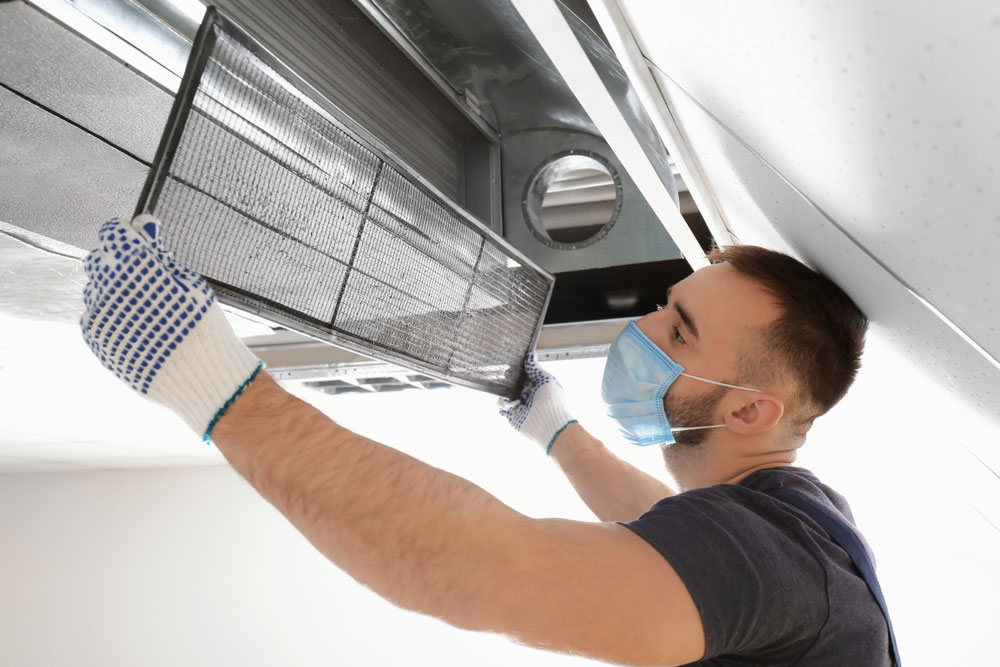
To understand the value of HEPA filtration in duct cleaning, it’s helpful to look at the main components involved:
- Negative Air Machines: These powerful vacuums create suction within the ductwork, drawing contaminants toward the HEPA filter.
- HEPA Filters: The heart of the system, these filters trap fine particles and prevent them from escaping into the air.
- Agitation Tools: Brushes, air whips, or compressed air tools loosen debris from duct walls, making it easier for the vacuum to collect it.
- Air Scrubbers: Portable units equipped with HEPA filters can be used to clean the ambient air in the work area, further reducing airborne dust.
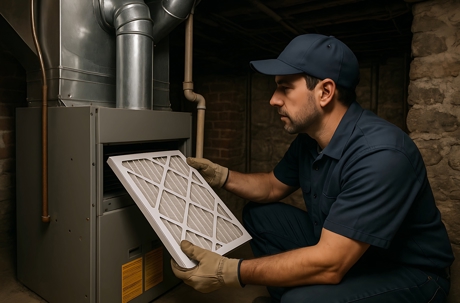
Properly maintained HEPA filters are essential for optimal performance. Over time, filters can become clogged, reducing airflow and efficiency. Regular inspection and replacement are necessary to maintain the highest level of filtration.
Benefits of Using HEPA Filtration for Indoor Air Quality
Integrating HEPA filtration into duct cleaning offers significant advantages for both residential and commercial spaces:
- Reduction of Allergens: HEPA filters capture pollen, pet dander, and dust mites, which are common triggers for allergies and asthma.
- Control of Mold and Bacteria: By trapping spores and microbes, HEPA filtration helps prevent the spread of mold and bacteria through the HVAC system.
- Improved HVAC Efficiency: Clean ducts and filters can enhance airflow, reduce strain on equipment, and lower energy costs.
- Enhanced Comfort: Cleaner air means fewer odors, less dust settling on surfaces, and a more pleasant indoor environment.
For those concerned about symptoms of sick building syndrome from ducts, investing in thorough duct cleaning with HEPA filtration can be an important step toward a healthier space.
Choosing the Right Duct Cleaning Service with HEPA Technology
When selecting a duct cleaning provider, it’s important to ask about the equipment and filtration methods they use. Look for companies that:
- Utilize true HEPA filtration in their vacuum and air scrubbing systems.
- Follow industry best practices and standards, such as those recommended by NADCA.
- Provide clear explanations of their cleaning process and the benefits of advanced filtration.
- Offer additional options like UV light installation for further air quality improvement. For more on this, see the role of UV lights in duct cleanliness.
It’s also wise to check reviews and request references to ensure the company delivers on its promises. Remember, the goal is not just cleaner ducts, but also a healthier indoor environment for everyone who uses the space.
DIY Duct Cleaning and the Role of HEPA Filters
While professional duct cleaning with HEPA filtration is highly effective, some homeowners may consider tackling the job themselves. If you choose the DIY route, it’s crucial to use equipment with proper filtration to avoid spreading dust and contaminants. For practical steps, refer to this comprehensive guide to cleaning air ducts yourself.
Keep in mind that most consumer-grade vacuums do not offer true HEPA filtration. Renting or purchasing a HEPA-equipped air scrubber or vacuum can help achieve better results and protect your indoor air quality during the cleaning process.
Maintaining Clean Ducts After HEPA Filtration
Once your ducts have been professionally cleaned with HEPA filtration, ongoing maintenance is key to preserving air quality. Here are a few tips:
- Change HVAC filters regularly, using high-quality filters rated for your system.
- Schedule periodic inspections and cleaning, especially if you have pets, allergies, or recent renovations.
- Seal leaks in ductwork to prevent dust infiltration and loss of conditioned air.
- Consider additional air purification technologies, such as UV lights or electrostatic filters, for enhanced protection.
For more strategies, explore ways to keep ducts clean during remodeling and other situations that can introduce new contaminants into your HVAC system.
Frequently Asked Questions
What makes HEPA filters different from standard air filters?
HEPA filters are engineered to capture at least 99.97% of particles as small as 0.3 microns, which is far more efficient than most standard filters. This high level of filtration is essential for trapping fine dust, allergens, and microorganisms during duct cleaning.
How often should HEPA filters be replaced in duct cleaning equipment?
The frequency of replacement depends on usage and the level of contamination. For professional duct cleaning systems, HEPA filters should be checked before each job and replaced when they show signs of clogging or reduced airflow. Always follow the manufacturer’s recommendations for maintenance.
Can HEPA filtration remove odors from ductwork?
While HEPA filters excel at removing particles, they do not directly eliminate odors. However, by capturing mold spores, bacteria, and dust, they can help reduce sources of unpleasant smells. For persistent odors, additional treatments such as activated carbon filters or sanitizing agents may be necessary.
Conclusion
HEPA filtration is a cornerstone of effective duct cleaning, ensuring that even the smallest and most harmful particles are removed from your indoor environment. By choosing services that use true HEPA filters, you can safeguard your health, improve comfort, and extend the life of your HVAC system. Whether you opt for professional help or a well-informed DIY approach, prioritizing advanced filtration is a smart investment in cleaner, healthier air.