Rodents are notorious for finding their way into hidden spaces, and ductwork is no exception. When mice, rats, or other pests invade your air ducts, they can cause serious health risks, damage your HVAC system, and lead to costly repairs. Recognizing the signs of rodent infestation in ducts early is crucial for maintaining indoor air quality and protecting your home.
This article covers the most common indicators of rodent activity inside ductwork, why these issues matter, and what actions you can take if you suspect an infestation. Understanding these warning signals can help you act quickly, preventing further contamination and safeguarding your living environment.
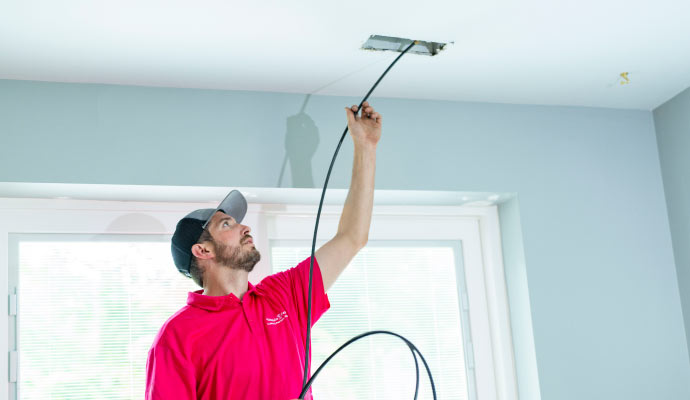
If you’re interested in keeping your ductwork in top condition, you might also want to learn about how to clean insulated ductwork safely for long-term protection against contaminants.
Why Rodents Invade Air Ducts
Ductwork offers rodents a sheltered, warm environment with easy access to food crumbs, nesting materials, and water sources. Once inside, these pests can multiply quickly, spreading allergens and bacteria throughout your home. The presence of rodents in air ducts is more than a nuisance—it can directly impact your health and the efficiency of your HVAC system.
Common Signs of Rodent Activity in Ductwork
Spotting the early signs of rodent infestation in ducts can help you address the problem before it escalates. Here are the most frequent indicators to watch for:
- Unusual Odors: A persistent, musty, or ammonia-like smell coming from vents often signals urine or droppings left by rodents.
- Strange Noises: Scratching, scurrying, or gnawing sounds inside walls or ductwork, especially at night, may indicate active pests.
- Visible Droppings: Small, pellet-shaped droppings near vents, registers, or inside accessible duct sections are a clear sign of infestation.
- Chewed Materials: Shredded insulation, gnawed duct liners, or bite marks on flexible ducting often point to rodent activity.
- Nesting Debris: Accumulations of paper, fabric, or plant material inside or around duct openings suggest rodents are building nests.
- Airflow Issues: Blocked or reduced airflow from vents may result from nests or debris clogging the ducts.
- Increased Allergy Symptoms: More frequent sneezing, coughing, or respiratory irritation among household members can be caused by rodent dander and droppings circulating through the air.
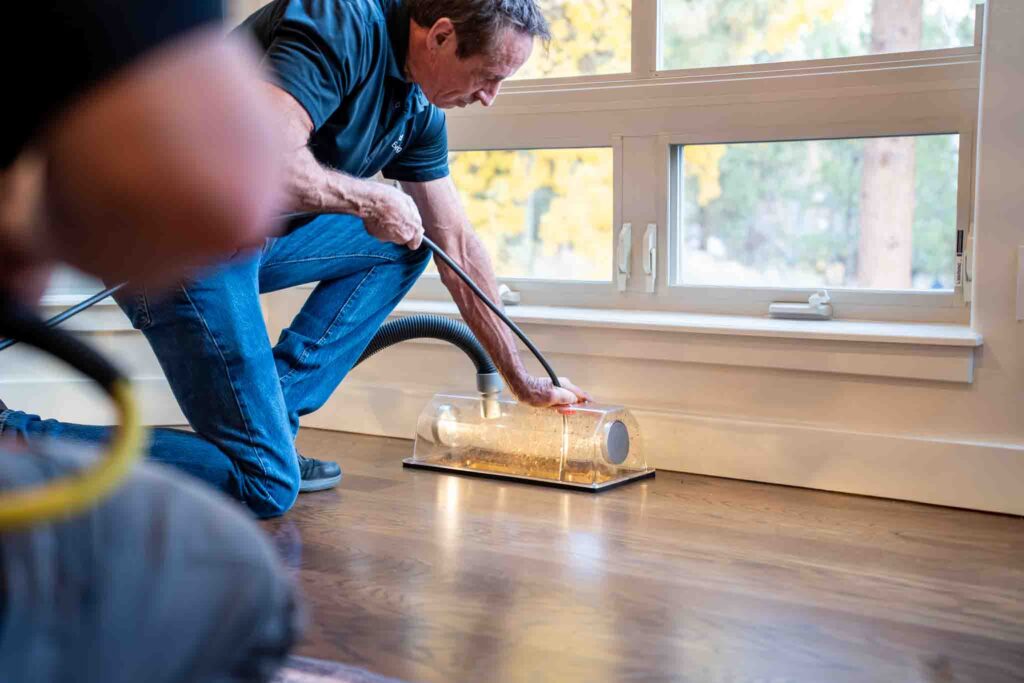
Health Risks Linked to Rodent Infestation in Ducts
When rodents invade your ductwork, they introduce a range of health hazards. Their droppings, urine, and shed fur can carry bacteria, viruses, and allergens. As your HVAC system circulates air, these contaminants are distributed throughout your home, potentially causing or worsening respiratory problems.
Some of the most common health concerns include:
- Allergic Reactions: Rodent dander and waste can trigger allergies, asthma attacks, and other respiratory issues.
- Spread of Disease: Rodents are known carriers of pathogens such as hantavirus, salmonella, and leptospirosis, which can be transmitted through contaminated air or surfaces.
- Worsening Indoor Air Quality: Accumulated debris and droppings degrade air quality, making your living space less healthy.
For more details on how contaminated ducts can affect your health, see our article on symptoms of sick building syndrome from ducts.
How to Inspect for Rodent Presence in Ducts
If you suspect rodents have invaded your ductwork, a careful inspection is the first step. Here’s how to check for evidence:
- Remove vent covers and use a flashlight to look for droppings, nesting materials, or chewed insulation inside the ducts.
- Listen for noises during quiet hours, especially at night, as rodents are most active then.
- Check for entry points around duct joints, attic spaces, and crawl spaces where rodents could gain access.
- Monitor for odors that persist even after cleaning or changing air filters.
If you’re unsure or unable to access certain duct areas, consider hiring a professional duct cleaning service. They have specialized tools and experience to identify and address infestations effectively.
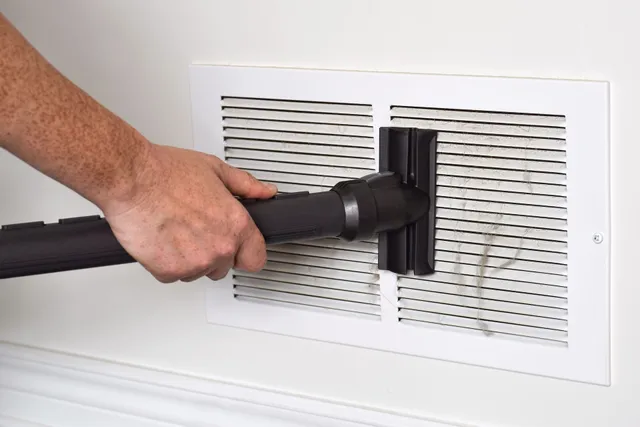
What to Do If You Find Evidence of Rodents
Discovering any of these warning signs means you should act quickly to prevent further damage and health risks. Here are the recommended steps:
- Seal Entry Points: Identify and close off any gaps, cracks, or holes that rodents could use to access your ductwork.
- Remove Contaminants: Clean and disinfect affected duct sections to eliminate droppings, nests, and bacteria.
- Replace Damaged Insulation: If insulation has been chewed or soiled, replace it to restore system efficiency and prevent further contamination.
- Install Rodent Deterrents: Consider using mesh screens, traps, or professional pest control solutions to keep rodents out.
- Schedule Professional Cleaning: A thorough duct cleaning by certified technicians ensures all contaminants are removed and your system is safe to use.
For a deeper understanding of advanced cleaning techniques, you may want to read about the negative air pressure cleaning method and how it helps eliminate stubborn debris and contaminants from ductwork.
Prevention: Keeping Rodents Out of Your Ducts
Preventing future infestations is just as important as addressing current problems. Here are some practical tips to keep rodents away from your duct system:
- Regular Inspections: Check your attic, crawl spaces, and ductwork for signs of pests at least twice a year.
- Maintain Cleanliness: Keep food sealed, clean up crumbs, and remove clutter that could attract rodents.
- Upgrade Filters: Use high-quality HEPA filters to trap allergens and prevent contaminants from circulating.
- Consider UV Lights: Installing UV lights in your HVAC system can help control bacteria and mold growth. Learn more about the role of UV lights in duct cleanliness.
- Seal Ductwork: Ensure all duct joints and seams are properly sealed to block entry points.
For more information on whether professional cleaning is right for your situation, the EPA’s guide to air duct cleaning offers helpful advice on when and why to consider this service.
FAQ: Rodent Problems in Air Ducts
How can I tell if rodents are living in my ductwork?
Look for droppings, nesting materials, chewed insulation, and listen for scratching or scurrying noises from vents. Persistent odors and increased allergy symptoms are also common indicators.
Is it safe to use my HVAC system if I suspect a rodent infestation?
It’s best to avoid running your system until the infestation is resolved and the ducts have been professionally cleaned. Operating the HVAC can spread contaminants throughout your home.
What should I do after removing rodents from my ducts?
After eradicating the pests, thoroughly clean and disinfect the ductwork, replace any damaged insulation, and seal entry points to prevent future infestations.
Can professional duct cleaning remove all traces of rodents?
Yes, certified duct cleaning services use specialized equipment to remove droppings, nests, and contaminants, restoring safe air quality and system performance.
Are there long-term solutions to prevent rodents from returning?
Regular inspections, sealing all ductwork, maintaining cleanliness, and using deterrents like mesh screens or UV lights can help keep rodents out for good.