Rotary brush wire brush systems have become essential tools for professionals and facility managers who need reliable, efficient cleaning and surface preparation. These robust systems are engineered to tackle demanding tasks, from duct cleaning to metal surface finishing, ensuring thorough results where manual methods fall short. Their versatility and power make them a top choice for a wide range of industrial and commercial applications.
Understanding how these systems work, their advantages, and how to select the right one can help maximize efficiency and extend equipment lifespan. For those interested in hybrid solutions, rotary brush hybrid cleaning systems offer additional benefits and flexibility.
How Rotary Brush Wire Brush Systems Work
At their core, these systems use a motorized rotary mechanism to spin a wire brush at high speeds. The rotating action, combined with the abrasive properties of the wire bristles, enables the brush to remove debris, dust, rust, or scale from surfaces efficiently. The brushes come in various diameters and wire thicknesses, allowing users to match the tool to the specific cleaning or finishing requirement.
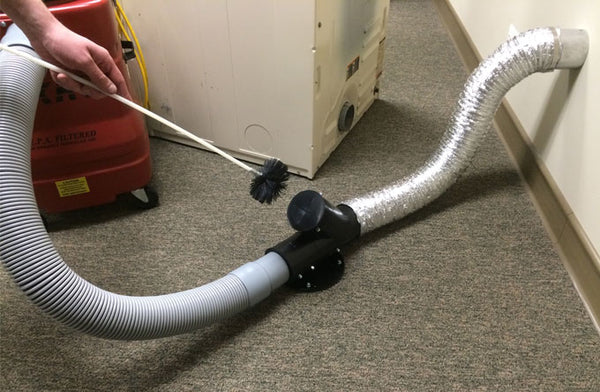
Most heavy-duty models are designed for attachment to power drills, dedicated rotary machines, or specialized duct cleaning equipment. The brush’s rotation, powered by the motor, provides consistent pressure and coverage, making it possible to clean large areas or reach deep into ductwork and pipes.
Key Applications for Industrial and Commercial Use
These robust cleaning systems are widely used in several industries:
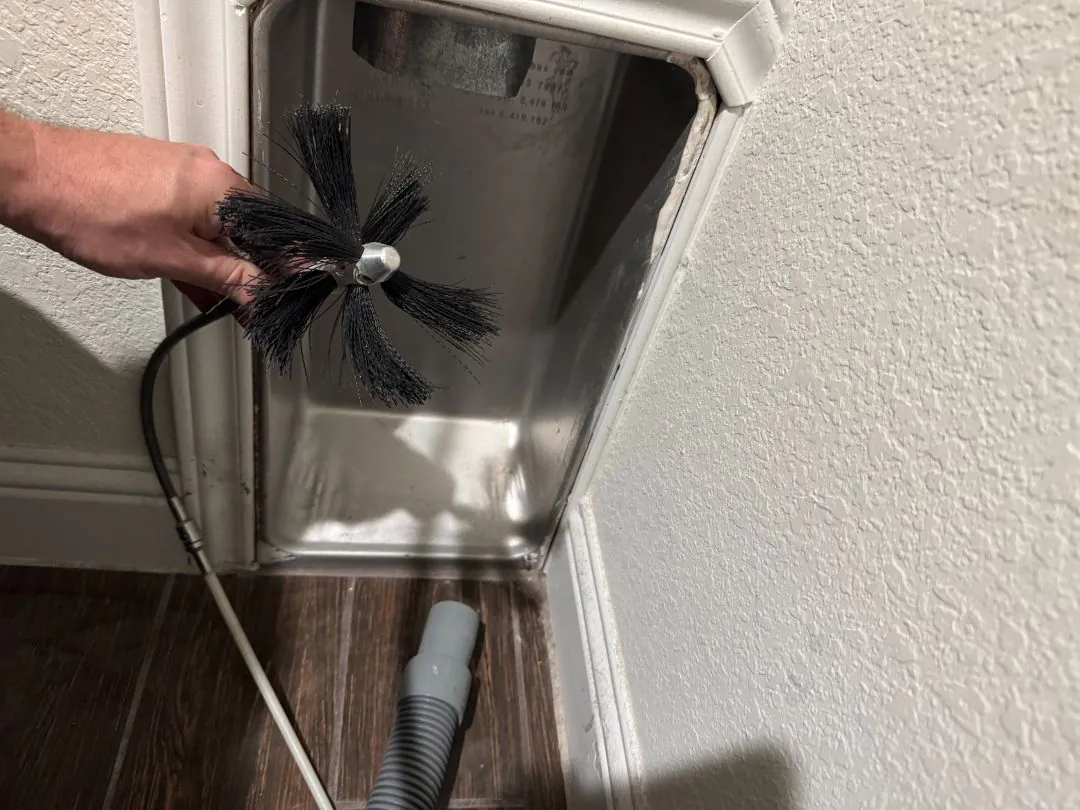
- HVAC and duct cleaning: Removing dust, debris, and microbial buildup from air ducts and vents.
- Metal surface preparation: Stripping paint, rust, or scale from metal surfaces before painting or welding.
- Pipe and tube maintenance: Cleaning the interior of pipes in manufacturing plants or processing facilities.
- Floor and surface restoration: Scrubbing concrete, tile, or stone floors to remove stubborn grime or coatings.
For those focused on optimizing the performance and longevity of their equipment, reviewing rotary brush lifespan optimization strategies can be highly beneficial.
Advantages of Using Rotary Brush Wire Brush Systems
Choosing a heavy-duty rotary brush system offers several significant benefits:
- Efficiency: The rotating action covers more surface area in less time compared to manual brushing.
- Consistency: Motorized brushes apply even pressure, resulting in uniform cleaning or surface preparation.
- Versatility: Interchangeable brushes and adjustable speeds allow use on various materials and surfaces.
- Accessibility: Long, flexible shafts and specialized brush heads can reach deep into ducts, pipes, or tight corners.
- Reduced labor: Less manual effort is required, reducing operator fatigue and increasing productivity.
For those considering equipment upgrades, it’s worth exploring rotary brush motor selection guides to ensure the chosen system matches the intended workload and application.
Choosing the Right Rotary Brush System for Your Needs
When selecting a rotary brush wire brush system, several factors should be considered to ensure optimal performance and longevity:
- Brush material and design: Wire brushes come in different materials (steel, brass, stainless steel) and configurations (twisted, crimped, knotted). Choose based on the surface type and cleaning intensity required.
- Motor power and speed: Higher-powered motors and variable speed controls offer greater flexibility for different cleaning tasks.
- Compatibility: Ensure the brush system fits your existing equipment, whether it’s a drill, dedicated rotary machine, or duct cleaning rig.
- Safety features: Look for protective guards, ergonomic handles, and secure attachment mechanisms to minimize risk during operation.
- Maintenance requirements: Select systems with easily replaceable brushes and accessible components for routine upkeep.
For specialized tasks such as polishing metal, consider reviewing a rotary brush system for polishing metal to ensure you have the right tool for the job.
Maintenance Tips for Prolonged Performance
Proper maintenance is crucial to ensure the longevity and effectiveness of your rotary brush system. Here are some practical tips:
- Inspect brushes regularly for wear, broken wires, or deformation. Replace as needed to maintain cleaning efficiency.
- Clean the brush and shaft after each use to remove debris and prevent buildup.
- Lubricate moving parts according to the manufacturer’s instructions to reduce friction and wear.
- Store the system in a dry, protected area to prevent corrosion and damage.
- Follow safety protocols, including wearing eye protection and gloves during operation and maintenance.
For a comprehensive overview of system durability and replacement cycles, see rotary brush system lifecycle resources.
Best Practices and Safety Considerations
Using heavy-duty rotary brush systems safely and effectively requires attention to detail and adherence to best practices:
- Always secure the brush attachment before powering on the system.
- Start at a lower speed and gradually increase as needed for the task.
- Keep hands, clothing, and loose items away from moving parts.
- Use the appropriate brush type and size for the material being cleaned to avoid surface damage.
- Consult the manufacturer’s guidelines for recommended operating procedures and maintenance schedules.
For additional guidance on cleaning and maintaining brush-based equipment, the guide to maintaining wheeled brushcutters provides useful insights that can be applied to rotary brush systems as well.
Frequently Asked Questions
What surfaces can rotary brush wire brush systems clean?
These systems are suitable for cleaning a variety of surfaces, including metal, concrete, tile, stone, and duct interiors. The choice of brush material and design should match the specific surface and cleaning requirement.
How often should brushes be replaced?
Brushes should be replaced when the bristles show significant wear, breakage, or deformation. Regular inspection after each use helps ensure optimal performance and prevents damage to surfaces.
Are these systems safe for residential use?
While primarily designed for industrial and commercial settings, certain models are suitable for residential applications such as dryer vent cleaning or small ductwork. Always follow safety instructions and use the correct brush size for the job.
Conclusion
Heavy-duty rotary brush systems deliver powerful, consistent cleaning and surface preparation across a range of industries. By selecting the right system, maintaining it properly, and following best practices, users can achieve superior results and extend the lifespan of their equipment. For those seeking more specialized solutions or advice, exploring related resources and guides can further enhance efficiency and safety in any cleaning operation.