The rotary brush system lifecycle is a critical concept for anyone involved in industrial cleaning, HVAC maintenance, or facility management. Knowing how these systems operate from installation to end-of-life ensures optimal performance, safety, and cost-effectiveness. This article provides a comprehensive overview of each stage, including installation, operation, maintenance, and eventual replacement. Whether you are a facility manager, technician, or business owner, understanding these phases helps you make informed decisions and extend the value of your investment.
Rotary brush systems are widely used for cleaning air ducts, industrial equipment, and even in agricultural and food processing environments. Their effectiveness relies not only on the initial setup but also on ongoing care and timely upgrades. For those interested in specialized applications, you can explore more about rotary brush agricultural cleaning systems and their unique requirements.
Key Stages of a Rotary Brush Cleaning System
The journey of a rotary brush cleaning system can be divided into several distinct stages. Each phase has its own set of best practices and considerations to maximize efficiency and longevity.
- Design and Selection: Choosing the right system based on your cleaning needs, environment, and regulatory requirements.
- Installation: Proper setup is essential for safe and effective operation. This includes mounting, electrical connections, and initial calibration.
- Operation: Day-to-day use, including brush rotation, debris removal, and monitoring for consistent performance.
- Maintenance: Routine checks, cleaning, and part replacements to prevent breakdowns and maintain cleaning quality.
- Upgrades and Replacement: Recognizing when to update components or transition to a new system for improved results.
For a detailed guide on system setup, see the rotary brush system installation resource, which covers step-by-step procedures and safety tips.
Design and Selection: Laying the Foundation
The first phase in the rotary brush system lifecycle involves careful planning and selection. Factors such as brush size, bristle material, motor power, and compatibility with your cleaning environment must be considered. For example, food processing facilities may require brushes with specific certifications, while agricultural settings might prioritize durability and ease of cleaning.
Consulting with manufacturers or industry experts can help you choose a system tailored to your needs. Additionally, reviewing standards and best practices ensures compliance and long-term reliability. For those interested in food industry standards, the rotary brush food processing systems article offers valuable insights.
Installation: Setting Up for Success
Proper installation is crucial for the safe and efficient operation of rotary brush equipment. This stage includes assembling the system, securing it in place, and connecting power sources. Calibration and initial testing help identify any issues before full-scale use. Following manufacturer instructions and industry guidelines minimizes risks and sets the stage for smooth operation.
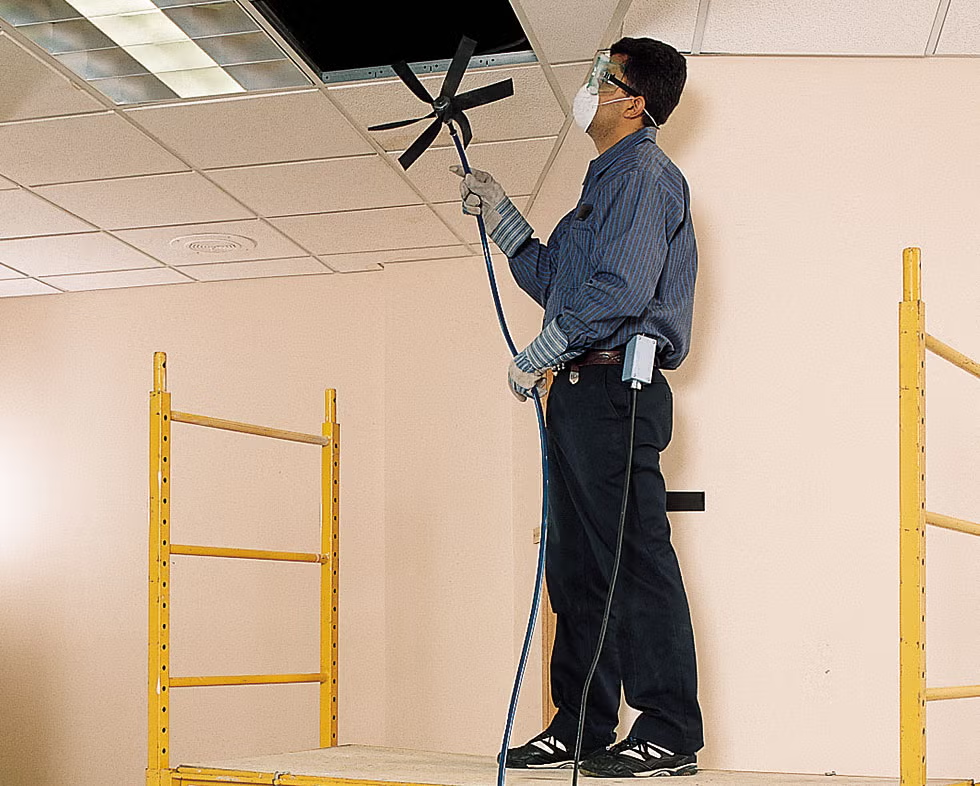
For more on engineering and setup, the rotary brush system design article provides a technical perspective on optimizing your installation for specific applications.
Operation and Routine Use: Maximizing Efficiency
Once installed, the system enters its operational phase. Operators should be trained on safe use, including starting and stopping procedures, adjusting brush speed, and monitoring for unusual noises or vibrations. Consistent operation ensures thorough cleaning and prevents the buildup of debris that could compromise air quality or equipment performance.
Modern rotary brush systems often include features such as variable speed controls, interchangeable brushes, and automated shutoff for added safety. Regular documentation of usage patterns and any issues can help identify trends and inform future maintenance schedules.
Maintenance: Extending the Rotary Brush System Lifecycle
Preventive maintenance is a cornerstone of any effective cleaning program. Regularly inspecting brushes for wear, checking drive mechanisms, and cleaning out dust or debris are essential tasks. Replacing worn brushes or faulty components promptly reduces downtime and maintains cleaning effectiveness.

Maintenance schedules vary based on usage frequency, environment, and system complexity. In environments with high dust or debris, more frequent checks are recommended. For troubleshooting common problems, refer to the rotary brush system troubleshooting guide for practical solutions and quick fixes.
Upgrades and Replacement: Knowing When It’s Time
Even with diligent care, every rotary brush system will eventually reach the end of its useful life. Signs that it may be time to upgrade or replace your equipment include persistent mechanical issues, declining cleaning performance, or the availability of newer, more efficient technologies.
Upgrading can involve replacing brushes with advanced materials, installing more powerful motors, or integrating smart controls for automation. In some cases, a complete replacement may be the most cost-effective solution, especially if repair costs are mounting or the system no longer meets regulatory standards.
Staying informed about industry innovations ensures your cleaning operations remain effective and compliant. For a comparison of different cleaning technologies, including rotary brush and negative air systems, see this detailed overview of negative air pressure vs. rotary brush methods.
Best Practices for Managing the Full Lifecycle
To get the most from your rotary brush cleaning equipment, consider these best practices throughout its lifecycle:
- Document all maintenance and repairs to track system health and anticipate future needs.
- Train staff regularly on safe operation and emergency procedures.
- Use genuine replacement parts to maintain performance and warranty coverage.
- Monitor cleaning results and adjust schedules based on observed outcomes.
- Stay updated on new products and technologies that could enhance your cleaning program.
Frequently Asked Questions
How long does a rotary brush system typically last?
The lifespan of a rotary brush cleaning system depends on usage, environment, and maintenance. With regular care, most systems can last several years. High-usage environments or harsh conditions may require more frequent part replacements or earlier upgrades.
What are the signs that maintenance or replacement is needed?
Common indicators include decreased cleaning effectiveness, unusual noises, excessive vibration, or visible wear on brushes and drive components. If repairs become frequent or costly, it may be time to consider upgrading or replacing the system.
Are there industry standards for rotary brush cleaning systems?
Yes, many industries have specific standards for cleaning equipment, especially in food processing and healthcare. It’s important to select systems and components that meet relevant certifications and to follow recommended maintenance protocols for compliance and safety.