Rotary brushes are essential tools for a wide range of cleaning and maintenance applications, from dryer vent cleaning to industrial ductwork and agricultural systems. Maximizing the lifespan of these brushes not only saves money but also ensures consistent, high-quality cleaning results. This article explores practical strategies for rotary brush lifespan optimization, covering maintenance routines, usage best practices, and key factors that influence durability.
Understanding how to care for your rotary brush and recognizing the signs of wear can help you avoid premature replacements. For those interested in the broader context of brush system longevity, the rotary brush system lifecycle offers a comprehensive look at the stages of use and replacement.
Key Factors Affecting Rotary Brush Durability
The longevity of a rotary brush depends on several variables. Material quality, frequency of use, cleaning environment, and maintenance routines all play a role. Brushes made from high-grade synthetic or natural bristles tend to last longer, especially when paired with robust backing materials. However, even the best brushes will wear out quickly if subjected to harsh chemicals, excessive pressure, or improper storage.
- Material Selection: Choose brushes with bristles suited to your specific cleaning task. For example, softer bristles are ideal for delicate surfaces, while stiffer bristles handle heavy debris.
- Operating Conditions: High temperatures, abrasive particles, and chemical exposure can degrade bristles and reduce brush life.
- Frequency of Use: Brushes used daily will naturally wear faster than those used occasionally. Track usage to anticipate replacement needs.
Maintenance Routines for Extended Brush Life
Regular maintenance is the cornerstone of rotary brush lifespan optimization. Simple routines can significantly extend the usable life of your equipment:
- Clean After Every Use: Remove debris, lint, or residue from the bristles. Use compressed air or rinse with water if appropriate for the brush material.
- Inspect for Damage: Check for bent, broken, or excessively worn bristles. Damaged brushes can scratch surfaces and reduce cleaning effectiveness.
- Store Properly: Keep brushes in a dry, cool place. Avoid stacking heavy objects on top of them, which can deform the bristles.
- Lubricate Moving Parts: If your rotary brush system includes bearings or joints, apply appropriate lubricants to prevent rust and ensure smooth operation.
For a deeper dive into brush care, the brush cutter maintenance guide provides additional insights relevant to rotary brush upkeep.

Best Practices for Using Rotary Brushes Efficiently
Proper usage is just as important as maintenance for maximizing brush longevity. Here are some proven techniques:
- Avoid Excessive Pressure: Let the brush do the work. Pressing too hard can bend or break bristles, reducing cleaning effectiveness and lifespan.
- Use the Right Speed: Operate your rotary tool at the manufacturer-recommended speed. Too high a speed can generate heat and cause premature wear.
- Match Brush Density to Task: For optimal results, select the correct brush density for your cleaning job. Refer to the rotary brush brush density guide for detailed recommendations.
- Rotate Brushes: If you have multiple brushes, rotate their use to ensure even wear and extend overall lifespan.
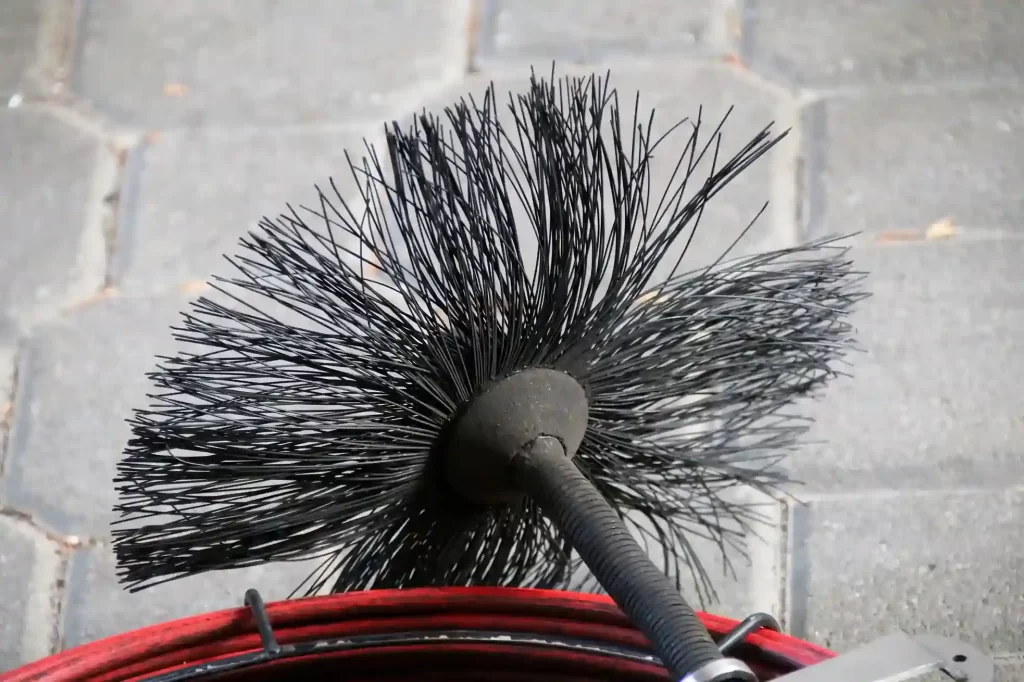
Recognizing When to Replace Your Rotary Brush
No matter how well you care for your equipment, all brushes will eventually need replacement. Recognizing the signs of wear ensures you maintain cleaning performance and avoid damaging surfaces:
- Frayed or Missing Bristles: Gaps or uneven bristle lengths reduce cleaning efficiency.
- Deformed Brush Head: Warped or misshapen heads can cause vibration and poor contact with surfaces.
- Reduced Cleaning Power: If the brush no longer removes debris effectively, it’s time for a replacement.
For specialized applications, such as rotary brush cleaning for food plants, maintaining brush integrity is especially critical for safety and compliance.
Industry Applications and Special Considerations
Rotary brushes are used in diverse settings, from household dryer vents to industrial manufacturing lines. Each environment presents unique challenges for brush longevity:
- Food Processing: Brushes must be cleaned and sanitized frequently to prevent contamination.
- Agricultural Systems: Soil, plant debris, and moisture can accelerate wear. Learn more from the rotary brush agricultural cleaning systems resource.
- Manufacturing: Exposure to oils, coolants, and abrasive dust requires regular inspection and maintenance. The rotary brush manufacturing applications guide offers further details.
Adapting your maintenance and usage routines to your specific industry can further enhance the lifespan of your rotary brushes.
Frequently Asked Questions
How often should rotary brushes be replaced?
The replacement frequency depends on usage intensity, material, and application. For light household use, brushes may last a year or more with proper care. In industrial or commercial settings, inspect brushes monthly and replace them at the first sign of significant wear.
What is the best way to clean rotary brush bristles?
Remove loose debris after every use. For deeper cleaning, rinse with water (if the material allows) or use compressed air. Avoid harsh chemicals unless the brush is designed for chemical resistance.
Can rotary brushes be repaired or refurbished?
Minor issues like tangled bristles can sometimes be corrected, but once bristles are frayed or the brush head is deformed, replacement is recommended. Attempting to repair heavily worn brushes may compromise cleaning effectiveness and safety.
Conclusion
Optimizing the lifespan of your rotary brushes is a straightforward process when you focus on quality materials, regular maintenance, and proper usage. By following the strategies outlined in this guide, you can extend the life of your brushes, maintain cleaning performance, and reduce long-term costs. For more detailed lifecycle information, revisit the rotary brush system lifecycle resource. Taking these steps ensures your rotary brushes remain reliable tools for years to come.