Rotary brush hybrid cleaning systems have become a cornerstone in modern industrial and commercial cleaning, offering a blend of mechanical scrubbing and advanced suction or air movement. These systems are engineered to tackle challenging deposits, dust, and debris in HVAC ducts, industrial dryers, food processing plants, and more. By combining the mechanical action of rotating brushes with vacuum or pneumatic extraction, they deliver superior results compared to traditional single-method approaches.
Whether you manage facility maintenance, oversee food safety, or operate in manufacturing, understanding the technology and advantages of these hybrid solutions is essential. This guide explores how rotary brush-based hybrids work, their practical benefits, and how to choose the right setup for your needs.
For a deeper understanding of how these systems evolve over time, see the rotary brush system lifecycle guide, which covers maintenance and operational lifespan.
How Rotary Brush-Based Hybrids Work
At the core of these cleaning solutions is a rotating brush, typically powered by an electric or pneumatic motor. The brush spins at high speed, dislodging stubborn contaminants from surfaces such as ductwork, dryer drums, or conveyor belts. What sets hybrid systems apart is the integration of suction or compressed air, which immediately removes loosened debris, preventing recontamination and ensuring a thorough clean.
Key components often include:
- Flexible rotary brush rods for navigating bends and corners
- Interchangeable brush heads for different surface types
- Integrated vacuum or air movement for debris extraction
- Control units to adjust speed and direction
This dual-action approach is especially effective in environments where dust, lint, or organic buildup can impact air quality, safety, or product integrity.

Key Advantages of Rotary Brush Hybrid Cleaning
Hybrid cleaning systems offer a range of benefits that make them a preferred choice in demanding environments:
- Superior cleaning efficiency: The combination of mechanical brushing and immediate debris removal ensures surfaces are left cleaner than with single-method tools.
- Reduced downtime: Faster, more effective cleaning means less interruption to production or facility operations.
- Versatility: These systems adapt to various duct sizes, dryer types, and even sensitive food processing equipment.
- Improved air quality and safety: By thoroughly removing dust, lint, and contaminants, hybrid systems help maintain healthier indoor environments and reduce fire risks.
- Cost savings: Enhanced cleaning performance can extend equipment life and reduce the need for frequent maintenance.
For those in the food industry, it’s worth exploring rotary brush cleaning for food plants to understand how these systems contribute to compliance and hygiene.
Where Hybrid Rotary Brush Systems Excel
These advanced cleaning solutions are used across multiple sectors. Some of the most common applications include:
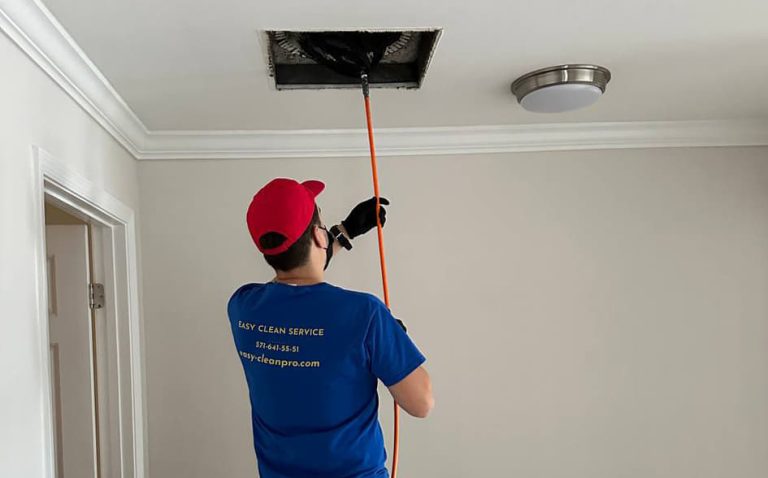
- HVAC duct cleaning: Removing accumulated dust, mold, and allergens from air ducts to improve air flow and system efficiency.
- Dryer vent and rotary dryer maintenance: Essential for preventing lint buildup and reducing fire hazards. For detailed steps, see this comprehensive guide to cleaning a rotary dryer.
- Food processing plants: Ensuring sanitary conditions by removing organic residues from conveyors, hoppers, and ducts.
- Manufacturing and agriculture: Cleaning production lines, silos, and storage bins to prevent contamination and maintain product quality.
For agricultural applications, the rotary brush agricultural cleaning systems resource provides further insights.
Choosing the Right Rotary Brush Hybrid System
Selecting the best system depends on your specific cleaning needs. Consider these factors:
- Brush density and material: The type of debris and surface will dictate whether you need a softer or stiffer brush. Refer to the rotary brush brush density guide for optimal results.
- Rod flexibility and length: For complex ductwork or hard-to-reach areas, flexible rods are essential to navigate bends.
- Vacuum or air integration: Choose a system with sufficient suction power or air movement for your debris volume.
- Ease of maintenance: Systems with quick-change brush heads and accessible parts reduce downtime.
- Compatibility: Ensure the system is suitable for your equipment size and type.
Investing in the right hybrid setup can streamline cleaning routines and deliver long-term value.
Best Practices for Effective Hybrid Cleaning
To maximize the benefits of rotary brush-based hybrids, follow these practical tips:
- Inspect equipment before use: Check for wear on brushes and ensure rods are not damaged.
- Use appropriate brush heads: Match the brush type to the surface and debris for optimal cleaning and to avoid damage.
- Maintain consistent speed: Operate at recommended speeds to prevent brush wear and ensure thorough debris removal.
- Clean and store equipment properly: After each use, remove debris from brushes and rods, and store in a dry area.
- Schedule regular cleaning: Establish a routine based on usage and contamination levels to maintain system efficiency.
These steps help extend the life of your cleaning tools and ensure consistent performance.
Industry Trends and Innovations
The cleaning industry continues to innovate, with new features enhancing the effectiveness of rotary brush-based hybrids:
- Smart sensors: Some systems now include sensors to monitor brush wear and cleaning effectiveness in real time.
- Automated controls: Programmable settings allow for customized cleaning cycles, reducing manual oversight.
- Eco-friendly materials: Manufacturers are introducing biodegradable brushes and energy-efficient motors to reduce environmental impact.
These advancements are making hybrid cleaning solutions more accessible, efficient, and sustainable across industries.
Frequently Asked Questions
What makes rotary brush hybrid cleaning more effective than traditional methods?
The combination of mechanical brushing and immediate debris extraction ensures thorough removal of contaminants, reducing the risk of recontamination and improving overall cleanliness. This dual-action approach is especially valuable in environments with heavy buildup or strict hygiene requirements.
How often should I use a rotary brush-based hybrid system for duct or dryer cleaning?
Frequency depends on usage and environmental factors. For residential dryer vents, annual cleaning is typically recommended. Commercial and industrial settings may require more frequent maintenance, especially in high-dust or high-lint environments.
Can these systems be used for both metal and flexible ductwork?
Yes, most hybrid rotary brush systems are designed with flexible rods and interchangeable brushes to accommodate both metal and flexible ducts. Always select the appropriate brush density and size for the material to avoid damage.
Are there safety precautions to consider when operating these cleaning tools?
Always follow manufacturer guidelines, wear appropriate personal protective equipment, and ensure the system is powered off before changing brush heads or performing maintenance. Proper training is essential for safe and effective use.
Conclusion
Rotary brush hybrid cleaning systems have transformed the way industries approach maintenance, offering unmatched efficiency, versatility, and safety. By understanding their operation, benefits, and best practices, facility managers and technicians can achieve superior cleaning results and extend the life of critical equipment. As technology advances, these systems will continue to play a vital role in maintaining clean, safe, and productive environments.