Choosing the right motor for a rotary brush system is crucial for achieving efficient, reliable cleaning in HVAC ducts, dryer vents, and industrial applications. The process of rotary brush motor selection involves evaluating technical specifications, matching motor types to cleaning tasks, and understanding how different features impact performance and longevity. Whether you are a professional contractor or a facility manager, making an informed choice will ensure optimal results and reduce maintenance costs over time.
This guide covers the essential factors to consider when evaluating motors for rotary brush systems, including power requirements, compatibility, durability, and safety. Along the way, you’ll find practical tips and references to related resources, such as rotary brush hybrid cleaning systems, to help you make the best decision for your needs.

Understanding Rotary Brush Motor Types
Before diving into technical details, it’s important to understand the main types of motors used in rotary brush systems. The two most common categories are:
- Electric motors (corded or battery-powered): Widely used for their convenience, portability, and ease of integration with various brush heads.
- Pneumatic motors: Powered by compressed air, these are typically chosen for industrial environments where electrical sparks must be avoided or where continuous operation is required.
Each type offers distinct advantages. Electric motors are generally easier to use in residential and light commercial settings, while pneumatic motors excel in heavy-duty or hazardous environments. Your choice should be guided by the cleaning application, available power sources, and safety considerations.
Key Factors in Rotary Brush Motor Selection
When evaluating motors for rotary brush systems, several critical factors should guide your decision:
Power and Torque Requirements
The motor’s power output, measured in watts (W) or horsepower (HP), directly affects the cleaning effectiveness. Higher power and torque are essential for tackling stubborn debris, long duct runs, or commercial-scale jobs. However, excessive power can damage delicate surfaces or cause unnecessary wear on brushes.
- For residential duct and vent cleaning, motors in the 300–600W range are usually sufficient.
- Industrial or commercial applications may require motors rated at 1 HP or higher for continuous, heavy-duty use.
- Always match the torque output to the brush size and material to avoid stalling or premature wear.
Speed Control and Adjustability
Variable speed control allows operators to adjust the brush rotation according to the cleaning task. This flexibility is especially valuable when switching between different duct sizes, materials, or levels of contamination.
- Look for motors with adjustable RPM (revolutions per minute) settings.
- Electronic speed controls or trigger-based adjustments provide greater precision and user comfort.
Compatibility With Brush Attachments
Not all motors are compatible with every brush head or shaft system. Check the manufacturer’s specifications for:
- Shaft diameter and coupling type
- Maximum supported brush size and weight
- Recommended accessories for specific cleaning tasks
For more on maximizing the lifespan of your equipment, see rotary brush lifespan optimization.
Durability and Maintenance
Frequent use in dusty or damp environments can quickly wear down motors that lack proper protection. When selecting a motor, consider:
- Sealed bearings and dust-proof housings
- Thermal overload protection
- Ease of maintenance and availability of replacement parts
Investing in a robust, well-sealed motor reduces downtime and extends the life of your rotary brush system.
Safety Considerations for Motor Selection
Safety should never be overlooked when choosing a motor for rotary brush cleaning. Key points include:
- Electrical safety: Ensure the motor meets relevant certifications (UL, CE) and is equipped with a ground fault circuit interrupter (GFCI) if used in damp locations.
- Overload protection: Motors with built-in thermal cutoffs prevent overheating and potential fire hazards.
- Ergonomics: Lightweight, well-balanced motors reduce operator fatigue and the risk of repetitive strain injuries.
For specialized environments, such as food processing or transportation facilities, refer to resources like rotary brush cleaning for food plants or rotary brush cleaning for transportation facilities for additional safety guidelines.
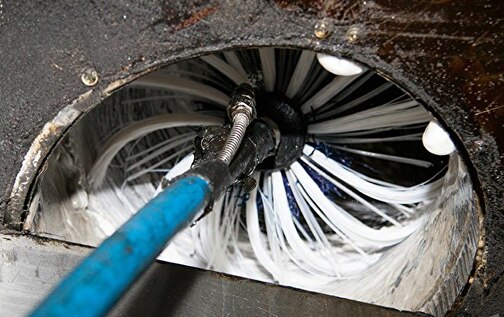
Comparing Popular Rotary Brush Motor Features
To make the best choice, compare the following features across different brands and models:
| Feature | Why It Matters | What to Look For |
|---|---|---|
| Power Rating | Determines cleaning strength and suitability for job size | 300–600W for home use, 1 HP+ for commercial |
| Speed Control | Enables adaptation to different surfaces and debris | Variable RPM, electronic controls |
| Weight & Ergonomics | Impacts operator comfort and fatigue | Lightweight, balanced design, comfortable grip |
| Protection Features | Prevents damage and extends lifespan | Thermal cutoff, sealed housing |
| Compatibility | Ensures fit with brushes and shafts | Check shaft size, coupling, accessory support |
Application-Specific Motor Selection Tips
The best motor for your needs depends on the specific cleaning application:
- Dryer vent cleaning: Choose a motor with moderate power and flexible shaft compatibility for navigating bends and tight spaces. Systems like the LintEater are popular for this purpose.
- HVAC duct cleaning: Opt for higher power and variable speed to handle long runs and varying debris loads. Look for motors that can support larger brush heads for main trunk lines.
- Industrial cleaning: Pneumatic motors or heavy-duty electric models with robust protection features are recommended for continuous operation and harsh environments.
For a deeper understanding of how these systems age and when to consider upgrades, see rotary brush system lifecycle.
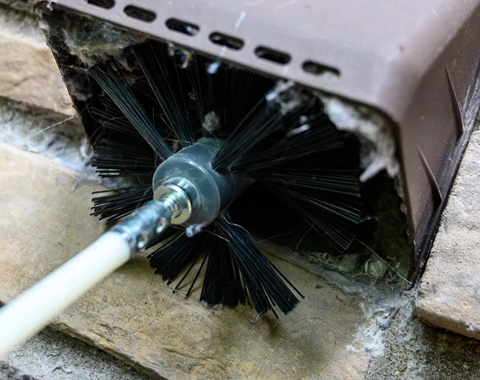
Maintenance and Longevity Considerations
Proper maintenance is essential for maximizing the life and performance of your rotary brush motor. Here are some best practices:
- Regularly inspect and clean motor vents and housings to prevent dust buildup.
- Lubricate moving parts as recommended by the manufacturer.
- Replace worn brushes, couplings, or shafts promptly to avoid damaging the motor.
- Store the motor in a dry, dust-free environment when not in use.
For further guidance on extending the life of your system, refer to rotary brush lifespan optimization.
Expert Resources and Further Reading
For a detailed look at cleaning techniques and system care, see this step-by-step guide to cleaning a rotary dryer. It offers insights into real-world applications and maintenance tips that apply to many rotary brush setups.
Frequently Asked Questions
What power rating is best for home duct or vent cleaning?
For most residential tasks, a motor rated between 300 and 600 watts provides a good balance of power and control. This range is sufficient for typical duct and dryer vent cleaning without risking damage to flexible ducts or lightweight materials.
How do I know if a motor is compatible with my brush system?
Check the shaft diameter, coupling type, and maximum supported brush size in the manufacturer’s specifications. It’s also wise to consult the supplier or refer to the system’s manual to ensure a proper fit and safe operation.
Are pneumatic motors better than electric ones for rotary brush systems?
Pneumatic motors are preferred in industrial settings where continuous operation or spark-free environments are necessary. However, electric motors are more common for residential and light commercial use due to their convenience and ease of use.
How can I extend the lifespan of my rotary brush motor?
Regular cleaning, proper lubrication, timely replacement of worn parts, and storing the motor in a clean, dry place will help maximize its service life. Following the manufacturer’s maintenance guidelines is also essential.