Industrial sectors face increasing pressure to reduce water consumption while maintaining high standards of cleanliness and operational efficiency. Rotary brush water saving solutions have emerged as a practical answer, helping facilities achieve these goals by combining mechanical cleaning with optimized water use. These systems are particularly valuable in industries such as HVAC, manufacturing, and food processing, where both cleanliness and sustainability are top priorities.
By integrating advanced rotary brush technology, companies can minimize water waste, lower operational costs, and comply with environmental regulations. This article explores how these cleaning systems work, their benefits, and how they compare to traditional methods. For those interested in the latest developments, you can also learn more about rotary brush cleaning technology trends and how they are shaping the future of industrial cleaning.

How Rotary Brush Systems Conserve Water in Industrial Cleaning
Traditional industrial cleaning methods often rely on high-pressure water jets or manual scrubbing, both of which can consume significant amounts of water. In contrast, rotary brush water saving solutions use mechanical action to dislodge dirt, dust, and debris, requiring less water to achieve the same or better results. The rotating brushes agitate contaminants from surfaces, allowing for targeted rinsing rather than continuous soaking.
These systems are engineered to deliver water only where needed, often using spray nozzles that apply a fine mist directly onto the brush or surface. This precise application reduces runoff and evaporation, making the cleaning process far more efficient. Many modern units also feature adjustable water flow controls, enabling operators to tailor usage to the specific cleaning task.
The result is a significant reduction in water consumption, which not only lowers utility bills but also supports corporate sustainability initiatives. Facilities that implement these solutions often report improved cleaning outcomes with less environmental impact.
Key Benefits of Industrial Rotary Brush Cleaning Technology
Adopting rotary brush-based cleaning systems brings a range of advantages to industrial operations. Some of the most notable benefits include:
- Water Efficiency: By combining mechanical agitation with controlled water delivery, these solutions can cut water usage by up to 70% compared to conventional cleaning methods.
- Enhanced Cleaning Performance: The rotating brushes reach into crevices and irregular surfaces, ensuring thorough removal of contaminants without excessive water or chemicals.
- Reduced Downtime: Faster, more effective cleaning means production lines and equipment can return to service sooner, boosting overall productivity.
- Lower Operating Costs: Savings on water, energy, and cleaning agents quickly add up, delivering a strong return on investment.
- Environmental Compliance: Many industries face strict regulations on water discharge and waste. Using water-saving systems helps meet these requirements and demonstrates environmental responsibility.
For a deeper dive into best practices and industry standards, see the rotary brush cleaning quality standards guide.

Applications Across Industrial Sectors
Rotary brush cleaning systems are adaptable to a wide range of industrial environments. Some of the most common applications include:
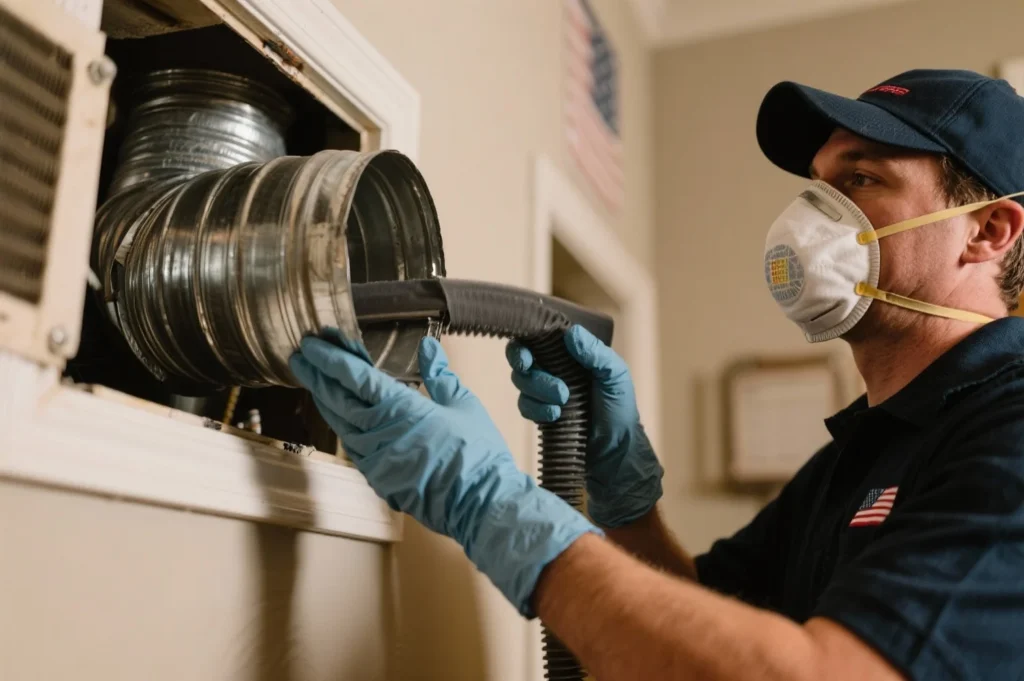
- HVAC Duct Cleaning: These systems are highly effective for removing dust and debris from ventilation ducts, improving air quality and energy efficiency. For more on this topic, see rotary brush solutions for production environments.
- Manufacturing Equipment: Rotary brushes can clean machinery surfaces, conveyor belts, and production lines with minimal water use, reducing the risk of corrosion and downtime.
- Food Processing: Maintaining hygiene is critical in food plants. Water-saving rotary systems help meet sanitation standards while conserving resources.
- Automotive and Aerospace: These industries benefit from precise, efficient cleaning of components and assemblies, where excess water could cause damage or contamination.
The flexibility of these solutions means they can be customized for specific cleaning challenges, from delicate electronics to heavy-duty industrial surfaces.
Comparing Rotary Brush Water Saving Solutions to Traditional Methods
When evaluating cleaning technologies, it’s important to consider both effectiveness and resource consumption. Traditional high-pressure washing can be effective but often leads to excessive water use, higher energy costs, and increased wastewater treatment needs. Manual scrubbing, on the other hand, is labor-intensive and inconsistent.
Rotary brush water saving solutions provide a balanced approach. Their mechanical action delivers consistent results, while their targeted water application minimizes waste. Many systems also integrate vacuum extraction, capturing debris and used water for easy disposal or recycling.
According to industry experts, facilities that switch to rotary brush-based cleaning often see measurable improvements in cleanliness, water savings, and compliance. For further insights and professional advice, explore rotary brush system expert tips.
Choosing the Right Rotary Brush System for Your Facility
Selecting the most suitable cleaning system depends on several factors, including the type of surfaces to be cleaned, the level of contamination, and the facility’s water conservation goals. Here are some key considerations:
- Brush Type and Size: Choose brushes designed for your specific application, whether for ducts, machinery, or delicate surfaces.
- Water Delivery Mechanism: Look for systems with adjustable water flow and targeted spray nozzles to maximize efficiency.
- Automation and Integration: Some solutions can be integrated into automated cleaning lines, reducing manual labor and ensuring consistent results.
- Maintenance Requirements: Opt for systems that are easy to clean and maintain, minimizing downtime and extending equipment lifespan.
Consulting with suppliers and reviewing case studies can help identify the best fit for your operation. For a look at what’s next in this field, see rotary brush system future trends.
Industry Insights and Future Developments
The demand for sustainable cleaning solutions continues to grow, driving innovation in rotary brush technology. Manufacturers are developing systems with enhanced automation, smart sensors, and improved water recycling capabilities. These advancements promise even greater efficiency and environmental benefits in the years ahead.
For a broader perspective on how rotary brush machines are evolving, check out this overview of rotary floor brush machine advancements in the cleaning industry.
As regulations tighten and resource costs rise, investing in water-saving cleaning systems is becoming not just a best practice but a business necessity. Facilities that act now will be well-positioned to meet future challenges and lead in sustainable operations.
Frequently Asked Questions
How much water can rotary brush cleaning systems save compared to traditional methods?
Most facilities report water savings of 50–70% when switching from high-pressure washing or manual scrubbing to rotary brush-based solutions. The exact savings depend on the application and system configuration.
Are rotary brush systems suitable for all types of industrial cleaning?
These systems are highly versatile and can be adapted for a wide range of cleaning tasks, including HVAC ducts, machinery, production lines, and food processing equipment. However, it’s important to select the right brush type and system features for your specific needs.
What maintenance is required for rotary brush cleaning equipment?
Routine maintenance typically involves cleaning the brushes, checking for wear, and ensuring that water delivery components are free from blockages. Many modern systems are designed for easy disassembly and cleaning, minimizing downtime.
Can these systems help with regulatory compliance?
Yes, using water-saving rotary brush systems can help facilities meet environmental regulations related to water use and wastewater discharge, while also supporting broader sustainability goals.