The cleaning industry is undergoing rapid transformation, with rotary brush system future trends shaping the way professionals approach duct, surface, and industrial cleaning. As demands for efficiency, sustainability, and precision grow, new technologies are emerging to meet these evolving needs. This article explores the innovations, market drivers, and practical advancements that are redefining rotary brush systems, offering a comprehensive look at what lies ahead for users and manufacturers alike.
From smarter automation to eco-friendly materials, the latest developments are not only improving cleaning results but also reducing downtime and operational costs. Whether you’re a facility manager, contractor, or equipment supplier, understanding these trends is essential for staying competitive and maximizing the value of your cleaning investments. For those interested in hybrid approaches, the rotary brush hybrid cleaning systems guide provides additional insights into combining traditional and modern cleaning methods.
Key Drivers Shaping Rotary Brush System Advancements
Several factors are accelerating innovation in rotary brush cleaning equipment. Increased regulatory scrutiny on air quality, workplace safety, and energy efficiency is pushing manufacturers to develop smarter, more adaptable solutions. At the same time, end users are demanding systems that deliver consistent results with less manual intervention and lower maintenance requirements.
- Automation and Smart Controls: Integration of sensors and programmable logic controllers (PLCs) allows for precise brush speed, pressure, and direction adjustments. This minimizes human error and ensures optimal cleaning performance across various applications.
- Material Science Innovations: Advances in synthetic fibers and composite brush materials are extending lifespan and improving resistance to harsh chemicals or abrasive debris. These improvements reduce replacement frequency and downtime.
- Environmental Considerations: Eco-friendly brush components and energy-efficient motors are becoming standard, helping organizations meet sustainability targets while maintaining cleaning effectiveness.
For those comparing different equipment options, understanding the rotary brush motor selection process is crucial for matching system capabilities to specific cleaning challenges.
Emerging Technologies in Rotary Brush Cleaning
Modern rotary brush systems are incorporating a range of new technologies designed to boost productivity and adapt to diverse cleaning environments. These include:
- Wireless and Remote Operation: Cordless systems and Bluetooth-enabled controls allow operators to manage cleaning tasks from a distance, increasing safety and flexibility in confined or hazardous spaces.
- Data-Driven Maintenance: IoT-enabled brushes and motors can transmit usage data, enabling predictive maintenance and reducing the risk of unexpected breakdowns.
- Interchangeable Brush Heads: Modular designs let users quickly swap brush types for different surfaces, from delicate HVAC ducts to rugged industrial floors.

Market Trends and User Demands
The global market for rotary brush cleaning equipment is expanding, driven by heightened awareness of indoor air quality, stricter hygiene standards, and the need for cost-effective facility maintenance. Commercial buildings, hospitals, food processing plants, and manufacturing facilities are all seeking solutions that deliver reliable results with minimal disruption.
Some notable market shifts include:
- Customization: Users want systems tailored to their unique duct sizes, surface types, and cleaning frequencies.
- Compact and Portable Designs: Lightweight, modular systems are in demand for jobs that require mobility and easy transport between sites.
- Enhanced Safety Features: Automatic shutoffs, overload protection, and ergonomic handles are becoming standard to protect operators and equipment.
For those looking to extend the service life of their equipment, the rotary brush lifespan optimization guide offers practical tips on maintenance and care.
Eco-Friendly and Sustainable Innovations
Sustainability is a top priority in the development of next-generation rotary brush systems. Manufacturers are focusing on reducing environmental impact through:
- Recyclable Materials: Brushes and housings made from recycled plastics and metals help lower the carbon footprint of cleaning operations.
- Low-Energy Motors: Advances in motor technology are reducing energy consumption without sacrificing cleaning power.
- Water and Chemical Reduction: Improved brush designs maximize debris removal with less reliance on water or harsh cleaning agents.
These trends align with broader industry goals for greener operations and compliance with environmental regulations.
Practical Applications and Industry Use Cases
Rotary brush cleaning systems are used across a wide range of industries, each with unique requirements and challenges. Some common applications include:
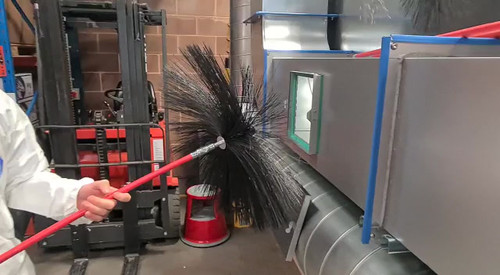
- HVAC Duct Cleaning: Removing dust, mold, and debris from air ducts to improve indoor air quality and system efficiency.
- Metal Surface Preparation: Polishing and deburring metal parts in manufacturing settings. For more details, see the rotary brush system for polishing metal article.
- Food Processing: Ensuring sanitary conditions by cleaning conveyor belts, tanks, and other equipment surfaces.
- Floor and Carpet Cleaning: Deep-cleaning commercial floors and carpets, especially in high-traffic areas.
Each application benefits from the latest advances in brush design, motor control, and system integration, resulting in faster, more thorough cleaning with less operator fatigue.
Maintenance and Longevity: Getting the Most from Your Equipment
Proper care and regular maintenance are essential for maximizing the lifespan and performance of rotary brush systems. Predictive maintenance, enabled by smart sensors, is reducing unplanned downtime and repair costs. For hands-on tips, the maintenance tips for brush cutters article covers best practices that apply to many rotary brush applications.
Routine checks should include:
- Inspecting brush wear and replacing heads as needed
- Cleaning and lubricating moving parts
- Testing motor function and safety features
- Monitoring system data for early signs of trouble
Understanding the rotary brush system lifecycle can help organizations plan for upgrades and replacements, ensuring continuous cleaning performance.
Frequently Asked Questions
What are the main benefits of adopting the latest rotary brush system innovations?
Modern systems offer improved cleaning efficiency, reduced manual labor, longer equipment lifespan, and enhanced safety features. Automation and data-driven maintenance also help lower operational costs and minimize downtime.
How can I choose the right rotary brush system for my needs?
Consider factors such as the type of surfaces to be cleaned, required brush materials, motor power, portability, and available smart features. Reviewing resources like the rotary brush motor selection guide can help match the right system to your application.
Are eco-friendly rotary brush systems as effective as traditional models?
Yes, sustainable designs now match or exceed the performance of conventional systems. Recyclable materials, energy-efficient motors, and optimized brush heads deliver strong cleaning results while reducing environmental impact.
Looking Ahead: The Future of Rotary Brush Cleaning
The evolution of rotary brush cleaning technology is set to continue, with further integration of smart controls, sustainable materials, and user-centric features. As the industry adapts to changing regulations and customer expectations, those who stay informed and invest in advanced systems will be best positioned for success. By leveraging the latest trends and best practices, organizations can achieve cleaner environments, greater efficiency, and long-term value from their cleaning equipment.