The cleaning industry is experiencing rapid transformation, with rotary brush cleaning technology trends at the forefront of this evolution. These advanced systems are redefining how professionals and facility managers approach maintenance, offering improved efficiency, adaptability, and results across a range of environments. From HVAC ductwork to industrial floors, the latest developments in rotary brush systems are making cleaning tasks faster, safer, and more effective.
Understanding the latest innovations can help businesses and individuals select the right solutions for their needs. This article explores the most significant advancements, emerging applications, and what to expect from the next generation of rotary brush cleaning equipment. For those interested in specialized applications, exploring rotary brush solutions for production environments can provide additional insights into industrial use cases.

Key Innovations in Rotary Brush Cleaning Systems
Recent years have seen a surge in rotary brush cleaning technology trends that focus on automation, energy efficiency, and adaptability. Modern systems are now equipped with smart sensors, variable speed controls, and modular brush heads, allowing operators to tailor cleaning approaches to specific surfaces and contaminants.
- Smart Automation: Many new rotary brush machines feature programmable settings and automatic shut-off, reducing manual intervention and optimizing cleaning cycles.
- Energy Efficiency: Advances in motor technology and brush design have led to machines that consume less power while delivering superior cleaning action.
- Modular Components: Interchangeable brush heads and adjustable handles make it easy to switch between different cleaning tasks, from ductwork to flooring.
These developments not only improve cleaning outcomes but also extend the lifespan of equipment. For those seeking to maximize their investment, reviewing rotary brush lifespan optimization strategies can be highly beneficial.
Emerging Applications and Market Expansion
The versatility of rotary brush cleaning technology is driving its adoption in new sectors. While traditionally associated with HVAC and industrial settings, these systems are now being used in commercial kitchens, healthcare facilities, and even residential environments.
One notable trend is the integration of rotary brush tools with robotic platforms. Automated cleaning robots equipped with rotary brushes can navigate complex spaces, such as air ducts or under machinery, to deliver consistent results with minimal human oversight.

Healthcare settings, in particular, benefit from the ability of rotary brush systems to remove biofilm and particulate matter from ventilation and water systems. In food service, these tools help maintain hygiene standards by thoroughly cleaning exhaust ducts and hard-to-reach surfaces.
For a deeper look at how hybrid systems are bridging the gap between manual and automated cleaning, see the discussion on rotary brush hybrid cleaning systems and their unique benefits.
Material and Design Improvements
A significant aspect of current rotary brush cleaning technology trends is the focus on materials and ergonomic design. Manufacturers are increasingly using synthetic fibers, antimicrobial coatings, and lightweight composites to enhance both performance and user comfort.
- Synthetic Bristles: These offer durability and resistance to chemicals, making them suitable for a wide range of cleaning agents.
- Antimicrobial Coatings: Brushes treated with antimicrobial agents help prevent the spread of bacteria and mold, a crucial feature in sensitive environments.
- Ergonomic Handles: Improved handle designs reduce operator fatigue and improve maneuverability, especially during extended cleaning sessions.
These enhancements contribute to safer, more effective cleaning and reduce the risk of repetitive strain injuries for operators.
Smart Features and Digital Integration
Digital technology is playing a growing role in the evolution of rotary brush cleaning equipment. Many modern systems now include features such as:
- Bluetooth Connectivity: Allows operators to monitor performance and receive maintenance alerts via smartphone apps.
- Data Logging: Tracks usage patterns, helping facilities optimize cleaning schedules and predict maintenance needs.
- Remote Diagnostics: Enables technicians to troubleshoot and update equipment software without being onsite.
These smart features not only improve operational efficiency but also support compliance with industry regulations by providing detailed cleaning records.
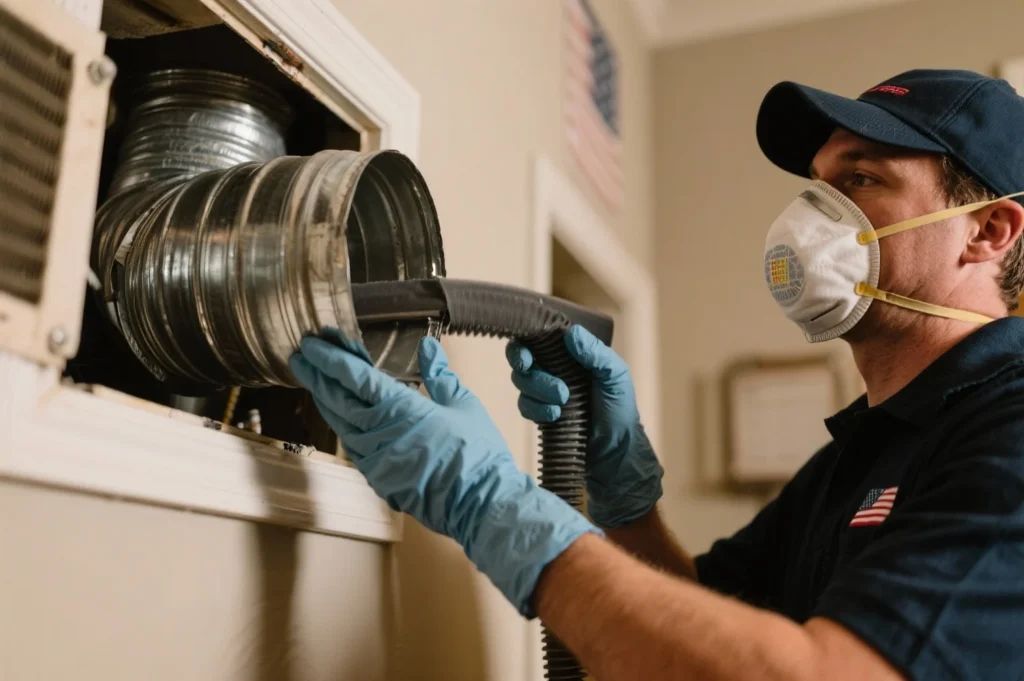
Environmental and Safety Considerations
Sustainability is an increasingly important factor in the development of cleaning equipment. The latest rotary brush machines are designed to minimize water and chemical use, reduce noise pollution, and limit airborne particulates during operation.
Safety features such as automatic shut-off, overload protection, and improved dust containment are now standard in many professional-grade systems. These advancements help protect both users and building occupants, especially in environments where air quality is a concern.
For those interested in the direction of the industry, the article on rotary brush system future trends provides further perspective on upcoming innovations and regulatory shifts.
Choosing the Right Rotary Brush Cleaning Solution
Selecting the ideal rotary brush system depends on several factors, including the type of surfaces to be cleaned, the frequency of use, and specific environmental requirements. Key considerations include:
- Brush Material: Match bristle stiffness and composition to the cleaning task for optimal results.
- Motor Power: Ensure the system offers sufficient torque for the intended application. For guidance, see this rotary brush motor selection resource.
- Ease of Maintenance: Look for systems with accessible parts and clear maintenance instructions to reduce downtime.
- Compatibility: Some systems are designed to work with specific cleaning agents or attachments, so verify compatibility before purchase.
Comparing features and reading user reviews can further inform the decision-making process. For those seeking a comprehensive overview of rotary floor brush machines, the rotary floor brush machine guide provides detailed insights into commercial and industrial options.
FAQ
What are the main benefits of using rotary brush cleaning systems?
Rotary brush cleaning systems offer efficient removal of dust, debris, and contaminants from a variety of surfaces. Their rotating action provides deep cleaning, reduces manual effort, and can be adapted to different environments, from HVAC ducts to industrial floors.
How do I maintain my rotary brush equipment for optimal performance?
Regular maintenance includes cleaning brush heads, checking for wear, lubricating moving parts, and following manufacturer guidelines for storage and operation. Using the right cleaning agents and replacing worn brushes promptly will extend the system’s lifespan.
Are rotary brush systems suitable for sensitive environments like hospitals?
Yes, many modern rotary brush cleaning systems are designed with antimicrobial coatings and advanced filtration to ensure safe use in healthcare, food service, and other sensitive environments. Always verify that the chosen system meets relevant hygiene and safety standards.