Maintaining high rotary brush cleaning quality standards is essential for ensuring the effectiveness and safety of cleaning processes in various industries, from HVAC ductwork to commercial floor care. As technology and expectations evolve, so do the benchmarks for what constitutes a thorough and reliable rotary brush cleaning job. Understanding these standards helps both professionals and consumers achieve optimal results, minimize risks, and extend the lifespan of both equipment and surfaces.
This guide explores the core principles, industry benchmarks, and practical steps for meeting and exceeding quality expectations in rotary brush cleaning. Whether you are a facility manager, a cleaning contractor, or a homeowner considering a DIY approach, following established standards ensures cleanliness, efficiency, and safety.
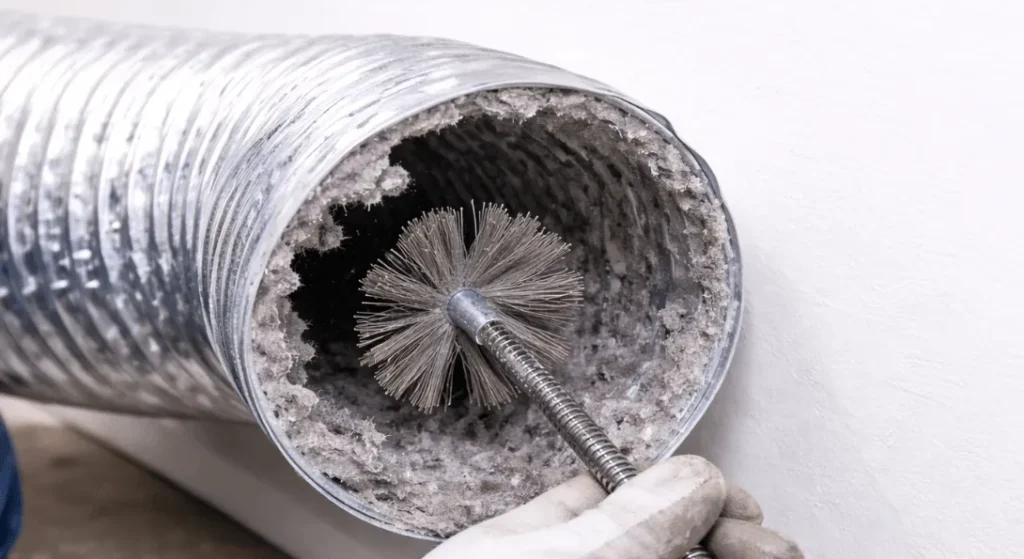
For those interested in advanced cleaning methods, exploring rotary brush hybrid cleaning systems can provide additional insights into achieving superior results with modern equipment.
Understanding Rotary Brush Cleaning Benchmarks
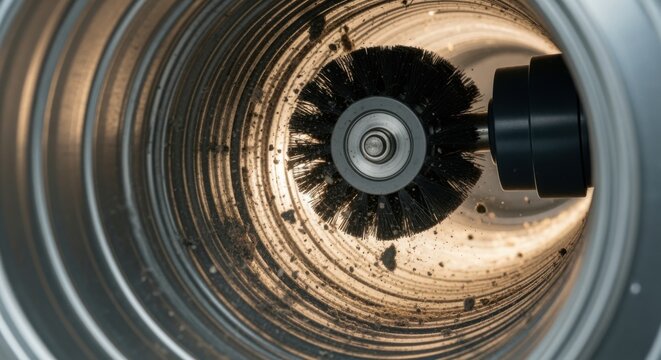
Rotary brush cleaning is a mechanical process that uses rotating bristles to dislodge and remove debris, dust, and contaminants from surfaces such as air ducts, floors, and industrial equipment. The effectiveness of this method depends on several factors, including brush type, speed, pressure, and operator technique.
Industry standards are established to ensure that cleaning is not only thorough but also safe for both the equipment and the environment. These benchmarks are often set by professional organizations, manufacturers, and regulatory bodies, and they address aspects such as:
- Brush Material and Design: The type of bristle (nylon, steel, or synthetic) and its configuration affect cleaning performance and surface compatibility.
- Rotation Speed and Pressure: Proper calibration prevents surface damage while maximizing debris removal.
- Contaminant Removal Rate: Standards specify acceptable levels of residual dust or debris after cleaning.
- Operator Training: Certified technicians are often required to follow specific protocols for safety and quality.
Meeting these criteria is crucial for industries where cleanliness directly impacts health, safety, or product quality.
Key Elements of Rotary Brush Cleaning Quality Standards
To achieve consistent and high-quality results, several core elements must be addressed in every rotary brush cleaning operation:
- Inspection Before and After Cleaning: Visual and sometimes instrument-based inspections verify the initial condition and the effectiveness of the cleaning process.
- Proper Equipment Selection: Using the right brush size, material, and machine settings for the specific application is vital.
- Documentation and Reporting: Detailed records of procedures, findings, and outcomes help maintain accountability and enable continuous improvement.
- Adherence to Manufacturer Guidelines: Following the equipment manufacturer’s recommendations ensures safety and optimal performance.
- Environmental and Safety Compliance: Proper containment of debris and safe handling of equipment protect both workers and the environment.
For more technical details on brush types and their applications, the rotary brush glossary provides comprehensive definitions and usage scenarios.
Common Applications and Their Quality Requirements
Rotary brush cleaning is used in a variety of settings, each with its own quality expectations:
- HVAC Ductwork: Cleanliness standards are especially strict due to the impact on indoor air quality and system efficiency. Residual dust and microbial contamination must be minimized.
- Commercial Flooring: Consistent removal of embedded dirt and stains is required, with care taken to avoid surface abrasion.
- Industrial Equipment: Regular cleaning prevents buildup that can impair machinery performance or cause safety hazards.
- Food Processing Facilities: Hygiene standards are paramount, requiring thorough removal of organic residues and compliance with food safety regulations.
Each application may reference different industry guidelines, but the underlying principles of thoroughness, safety, and documentation remain consistent.
Best Practices for Meeting Rotary Brush Cleaning Quality Expectations
Adhering to best practices is the most reliable way to meet or exceed established quality benchmarks. Here are some actionable recommendations:
- Conduct a Pre-Cleaning Assessment: Identify the type and extent of contamination, surface material, and any potential hazards.
- Select the Appropriate Brush and Machine Settings: Match the brush type and rotation speed to the surface and debris for optimal results.
- Follow a Systematic Cleaning Pattern: Ensure complete coverage by working methodically, avoiding missed spots or excessive overlap.
- Monitor Progress and Adjust as Needed: Periodically check results and modify technique or equipment settings if necessary.
- Perform a Post-Cleaning Inspection: Use visual checks and, if required, particle counters or swab tests to confirm cleanliness.
- Document the Process: Record details such as date, equipment used, operator, and findings for future reference and compliance.
For those looking to maximize the lifespan of their equipment while maintaining high standards, consider reviewing these rotary brush lifespan optimization tips.

Quality Control and Continuous Improvement
Quality assurance in rotary brush cleaning is not a one-time effort. It requires ongoing evaluation and adaptation to new challenges, technologies, and regulations. Key strategies include:
- Regular Training: Keep staff updated on the latest techniques, safety protocols, and equipment upgrades.
- Routine Equipment Maintenance: Inspect and service brushes and machines to prevent performance degradation.
- Customer Feedback: Solicit and review feedback to identify areas for improvement and ensure satisfaction.
- Periodic Audits: Conduct internal or third-party audits to verify compliance with industry standards and identify gaps.
Staying informed about developments in the field, such as new rotary brush motor selection options or contamination control strategies, can further enhance quality outcomes.
Frequently Asked Questions
What are the most important factors in achieving high rotary brush cleaning quality?
The most critical elements include selecting the right brush and machine settings, following a systematic cleaning process, conducting thorough inspections before and after cleaning, and documenting all procedures. Operator training and adherence to manufacturer guidelines also play a significant role.
How often should rotary brush cleaning equipment be maintained?
Routine maintenance should be performed according to the manufacturer’s recommendations, which typically involves inspecting brushes for wear, checking for debris buildup, and servicing moving parts. Regular maintenance ensures consistent performance and extends equipment lifespan.
Are there specific standards for rotary brush cleaning in sensitive environments?
Yes, environments such as healthcare facilities, food processing plants, and cleanrooms often have stricter cleanliness requirements. These may include the use of specialized brushes, more frequent inspections, and additional documentation to ensure compliance with regulatory standards.
Conclusion
Adhering to rotary brush cleaning quality standards is essential for achieving reliable, safe, and effective cleaning results across a range of applications. By following established benchmarks, leveraging best practices, and committing to continuous improvement, both professionals and DIY users can ensure their cleaning processes meet the highest expectations. For further insights into specialized systems and contamination control, explore resources on rotary brush system for contamination control and related topics.