Rotary brush systems have become essential tools for professionals and homeowners seeking efficient cleaning of ducts, vents, and other hard-to-reach spaces. Whether you’re maintaining HVAC systems, dryer vents, or industrial equipment, understanding the nuances of these devices can make a significant difference in both performance and longevity. This article delivers rotary brush system expert tips to help you get the most out of your equipment, avoid common pitfalls, and ensure optimal results.
Before diving into advanced techniques and troubleshooting advice, it’s important to recognize the evolution of rotary brush technology. For those interested in the latest innovations and what the future holds, you can explore rotary brush system future trends for a comprehensive look at upcoming advancements.

Understanding Rotary Brush Systems: Key Components and Operation
At the core, a rotary brush system consists of a flexible shaft, a motor or drill attachment, and interchangeable brush heads. The system’s rotating action dislodges dust, lint, and debris from surfaces, which can then be vacuumed or swept away. Selecting the right brush size and bristle type is crucial for effective cleaning without causing damage to ducts or vents.
For those considering an upgrade or replacement, reviewing a rotary brush motor selection guide can help you choose the most suitable power source for your needs.
Rotary Brush System Expert Tips for Effective Cleaning
Applying best practices can dramatically improve your results and extend the life of your equipment. Here are some essential recommendations from industry professionals:
- Choose the Right Brush: Match the brush diameter and bristle stiffness to the duct or vent size and material. Using an oversized or overly stiff brush can damage delicate surfaces.
- Inspect Before Use: Always check the shaft and brush head for wear, cracks, or loose fittings before starting. Damaged components can break during operation, causing further issues.
- Use Steady, Controlled Movements: Avoid forcing the brush through tight bends or joints. Let the rotary action do the work to prevent kinking the shaft or damaging the brush.
- Monitor Rotation Speed: Excessive speed can cause unnecessary wear on both the brush and the ductwork. Start slow and increase speed only as needed for stubborn debris.
- Pair with a HEPA Vacuum: To maximize dust removal and minimize airborne particles, use a HEPA-filtered vacuum in conjunction with the rotary brush system.
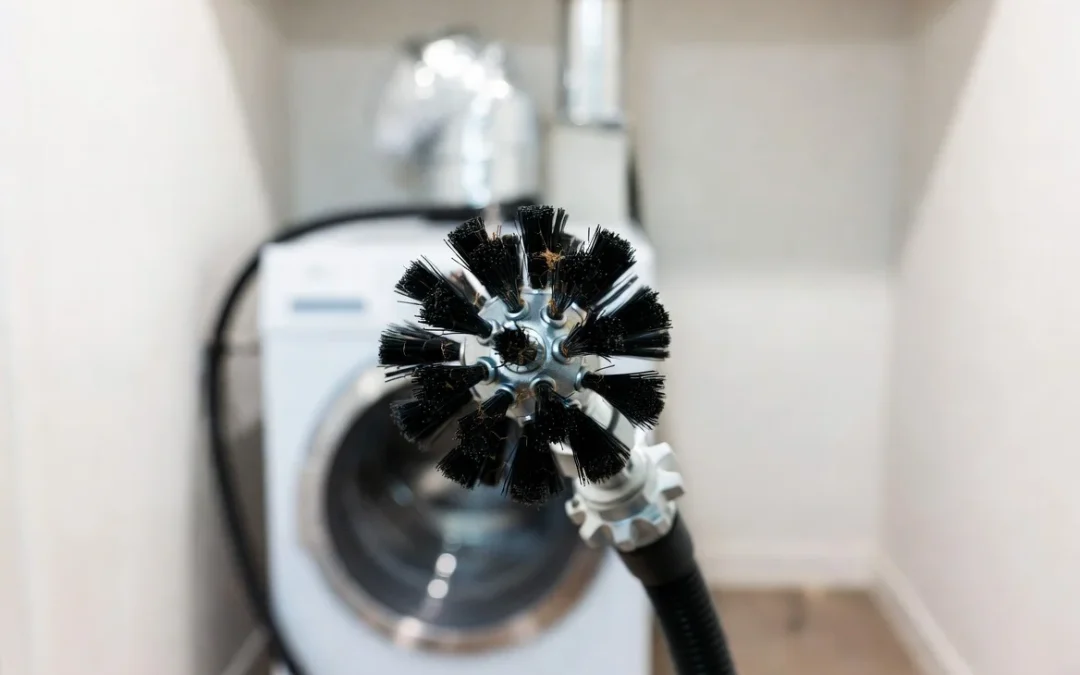
Maintenance and Longevity: Prolonging Your Rotary Brush System
Proper care is vital for getting the most out of your cleaning equipment. Here are proven strategies to keep your rotary brush system in top condition:
- Clean After Every Use: Remove debris from the brush head and shaft. Rinse with water if needed and allow all parts to dry thoroughly before storage.
- Lubricate Moving Parts: Apply a light lubricant to the shaft and any moving joints to prevent rust and ensure smooth operation.
- Store Properly: Coil the flexible shaft loosely and avoid sharp bends. Store brushes in a dry, cool place away from direct sunlight.
- Replace Worn Components: Brushes and shafts wear out over time. Replace them promptly to maintain cleaning effectiveness and prevent system failure.
For more in-depth advice on maximizing the lifespan of your tools, see this rotary brush lifespan optimization resource.
Common Mistakes and How to Avoid Them
Even experienced users can fall into habits that reduce efficiency or cause damage. Here are some pitfalls to watch for:
- Skipping Pre-Inspection: Failing to check for obstructions or damage in the duct can lead to stuck brushes or further complications.
- Using Incompatible Attachments: Not all brush heads fit every system. Always use manufacturer-approved accessories to avoid breakage.
- Neglecting Safety Gear: Always wear eye protection and a dust mask, especially when cleaning older ducts that may contain hazardous particles.
- Overlooking Regular Maintenance: Ignoring routine care can shorten the life of your equipment and reduce cleaning effectiveness.
To keep costs under control, review these tips for lowering rotary brush system maintenance costs and learn how small adjustments can lead to significant savings over time.
Advanced Techniques: Getting Professional Results
For those looking to achieve a deeper clean or tackle challenging jobs, advanced strategies can make a difference:
- Hybrid Cleaning: Combine rotary brush action with compressed air or chemical agents for stubborn buildup. For more on this, check out the rotary brush hybrid cleaning systems guide.
- Sectional Cleaning: Divide long ducts into manageable sections and clean each thoroughly before moving on. This ensures no debris is left behind.
- Monitor Airflow: After cleaning, measure airflow to confirm improved performance and identify any remaining blockages.
- Document Your Work: Keep a log of cleaning dates, findings, and maintenance performed. This helps track performance and plan future service.
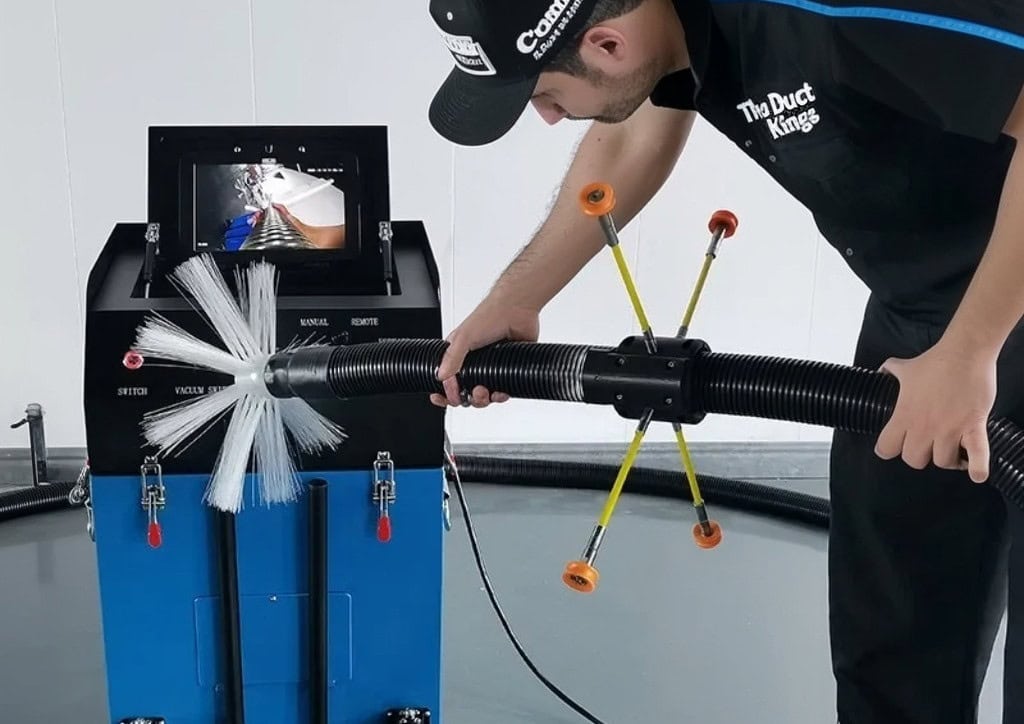
Choosing the Right System for Your Needs
With a variety of rotary brush systems on the market, selecting the best fit depends on your specific requirements. Consider the following factors:
- Application: Are you cleaning residential dryer vents, commercial HVAC ducts, or industrial piping? Each scenario may require different brush sizes and shaft lengths.
- Frequency of Use: Occasional DIY users may opt for simpler, more affordable kits, while professionals should invest in heavy-duty, modular systems.
- Compatibility: Ensure the system you choose is compatible with your vacuum or drill. Some systems are designed for universal use, while others require proprietary attachments.
- Support and Parts Availability: Choose brands with readily available replacement parts and good customer support.
For a technical overview of how these systems work and their terminology, refer to this rotary brush glossary for detailed definitions and explanations.
FAQ
How often should rotary brush systems be used for duct or vent cleaning?
For most residential settings, using a rotary brush system once every one to three years is sufficient for air ducts. Dryer vents may require more frequent cleaning, especially if you notice reduced airflow or longer drying times. Commercial and industrial environments may need more regular maintenance based on usage and environmental factors.
Can rotary brush systems damage ductwork or vents?
When used correctly, rotary brush systems are safe for most ductwork and vents. However, using the wrong brush size, excessive force, or high speeds can potentially cause damage. Always follow manufacturer recommendations and inspect your equipment before use.
What are the signs that my rotary brush system needs maintenance or replacement?
Common signs include decreased cleaning effectiveness, visible wear on brush bristles, a noisy or stiff shaft, or difficulty attaching components. Regular inspection and prompt replacement of worn parts will help maintain optimal performance.