Maintaining a clean and safe warehouse environment is essential for operational efficiency, worker health, and compliance with industry standards. Rotary brush warehouse cleaning systems have become a preferred solution for tackling the unique challenges of large-scale industrial spaces. These systems are engineered to remove dust, debris, and contaminants from floors, ducts, and other hard-to-reach areas, ensuring a healthier workplace and prolonging the life of equipment.
This guide explores the fundamentals of rotary brush cleaning, key benefits, system types, and practical advice for selecting and maintaining the right equipment. For those interested in broader applications, rotary brush solutions for production environments offer additional insight into specialized uses across various industries.
Understanding Rotary Brush Cleaning Technology
Rotary brush cleaning technology utilizes motor-driven brushes that rotate at high speeds to dislodge and capture dirt, dust, and debris from surfaces. These systems are commonly used in warehouses for cleaning floors, air ducts, conveyor belts, and even walls. The rotating action provides a mechanical advantage, allowing the brush to reach into crevices and textured surfaces that traditional cleaning methods may miss.
There are several types of rotary brush cleaning equipment, including walk-behind machines, ride-on sweepers, and specialized duct cleaning units. Each is designed to address specific cleaning challenges within a warehouse environment.
Key Benefits of Rotary Brush Warehouse Cleaning Systems
Implementing a rotary brush warehouse cleaning system offers a range of advantages that go beyond basic cleanliness. Here are some of the most significant benefits:
- Improved Air Quality: By removing dust and allergens from floors and ducts, these systems help maintain a healthier indoor environment.
- Enhanced Safety: Clean floors reduce slip and trip hazards, while regular duct cleaning minimizes fire risks caused by dust buildup.
- Operational Efficiency: Automated cleaning reduces manual labor and downtime, allowing staff to focus on core tasks.
- Equipment Longevity: Removing debris from machinery and ventilation systems helps prevent breakdowns and extends equipment life.
- Regulatory Compliance: Many industries require strict adherence to cleanliness standards, which rotary brush systems help achieve.
Types of Rotary Brush Systems for Warehouses
Warehouse cleaning needs vary, so it’s important to choose the right type of rotary brush system for your facility. Below are the most common options:
Floor Cleaning Machines
These include walk-behind and ride-on sweepers equipped with rotary brushes. They are ideal for large open spaces, efficiently collecting dust, dirt, and debris from concrete or epoxy-coated floors.
Duct and Vent Cleaning Systems
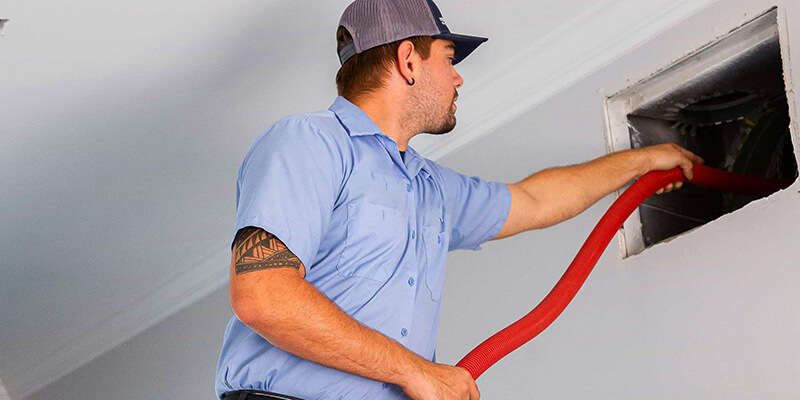
Rotary brush duct cleaners are designed to navigate through air ducts, removing accumulated dust and contaminants. This is crucial for maintaining air quality and reducing fire hazards in warehouses with extensive HVAC systems.

Specialized Conveyor and Equipment Cleaners
Some rotary brush systems are tailored for cleaning conveyor belts, machinery, and other equipment. These units help prevent the buildup of dust and debris that can cause mechanical failures or product contamination.
Choosing the Right Rotary Brush Solution
Selecting the most suitable cleaning system depends on several factors, including warehouse size, floor type, the presence of ductwork, and the nature of the debris to be removed. Here are some tips to guide your decision:
- Assess Your Cleaning Needs: Identify high-traffic areas, dust-prone zones, and equipment that requires regular cleaning.
- Consider System Versatility: Some machines offer interchangeable brushes or attachments for different surfaces and tasks.
- Evaluate Power and Reach: For large warehouses, opt for machines with extended battery life or cord length, and brushes that can access tight spaces.
- Maintenance Requirements: Choose systems that are easy to clean and maintain, with readily available replacement parts.
- Budget and ROI: Factor in the initial investment, operational costs, and potential savings from reduced labor and equipment repairs.
For a deeper dive into the latest advancements in this field, consider exploring rotary brush system future trends to stay informed about emerging technologies and features.
Maintenance and Best Practices
Proper maintenance ensures your rotary brush system delivers consistent performance and a long service life. Here are some best practices:
- Clean brushes after each use to prevent debris buildup and maintain cleaning efficiency.
- Inspect moving parts regularly for wear and replace brushes or belts as needed.
- Lubricate bearings and check electrical connections to avoid unexpected breakdowns.
- Follow the manufacturer’s guidelines for storage and operation.
- Train staff on safe and effective use of the equipment.
For additional advice on keeping your cleaning equipment in top shape, visit this comprehensive guide to brush cutter maintenance.
Meeting Quality Standards and Compliance
Warehouses must often adhere to strict cleanliness and safety standards set by industry regulators. Using a rotary brush cleaning approach can help meet these requirements by delivering consistent, measurable results. For guidance on achieving and maintaining high standards, refer to the rotary brush cleaning quality standards guide.
Additionally, hybrid cleaning systems that combine rotary brushes with other technologies can further enhance cleaning outcomes. Learn more about these integrated solutions in the rotary brush hybrid cleaning systems overview.
Frequently Asked Questions
How often should rotary brush cleaning be performed in a warehouse?
The frequency depends on the warehouse’s size, activity level, and the type of materials handled. High-traffic areas may require daily or weekly cleaning, while ducts and less-used spaces might be serviced monthly or quarterly. Regular inspections help determine the optimal schedule.
Can rotary brush systems be used on all floor types?
Most rotary brush machines are suitable for concrete, epoxy, and tile floors. However, always check the manufacturer’s recommendations to ensure compatibility with your specific flooring and avoid potential damage.
What are the signs that a rotary brush needs replacement?
Worn bristles, reduced cleaning effectiveness, and visible damage are clear indicators. Replacing brushes at the first sign of wear helps maintain cleaning performance and prevents damage to surfaces.
Conclusion
Investing in a rotary brush warehouse cleaning system is a practical step toward maintaining a safe, efficient, and compliant facility. By understanding the available options, benefits, and best practices, warehouse managers can select the right equipment to meet their needs and ensure long-term value. For those interested in optimizing their equipment selection process, the rotary brush motor selection guide provides additional insights into choosing the best motorized solutions for your cleaning operations.