The cleaning and maintenance industry has seen significant advancements in recent years, particularly with the evolution of rotary brush system innovations. These systems, once considered simple mechanical tools, are now equipped with advanced features that improve efficiency, safety, and cleaning effectiveness. Whether used for duct cleaning, surface preparation, or industrial maintenance, the latest developments are transforming how professionals and homeowners approach their cleaning tasks.
In this guide, we’ll explore the most recent breakthroughs in rotary brush technology, practical applications, and how these changes are making a difference across various industries. If you’re considering upgrading your equipment or simply want to stay informed about the latest trends, understanding these innovations is essential. For those interested in hybrid solutions, you can learn more about rotary brush hybrid cleaning systems and their benefits.
Breakthroughs in Rotary Brush System Design
Modern rotary brush systems have moved far beyond basic rotating bristles. Today’s designs incorporate a range of new materials, smart features, and ergonomic improvements. Here are some of the most notable advancements:
- Flexible Shafts and Modular Brushes: Newer systems use flexible, high-strength shafts that allow brushes to navigate bends and tight spaces without losing torque. Modular brush heads make it easy to switch between different cleaning tasks.
- Enhanced Motor Technology: Brushless motors and variable speed controls provide more power and longer lifespan, while reducing maintenance needs. For more on choosing the right motor, see this rotary brush motor selection guide.
- Lightweight, Durable Materials: Carbon fiber and advanced polymers are replacing heavier metals, making systems easier to handle and less prone to wear.
- Integrated Dust Collection: Some innovations now include built-in vacuum ports or adapters, allowing for dust-free operation and improved air quality during cleaning.
Smart Features and Automation
Automation and digital integration are making their way into rotary brush system innovations. These features are designed to boost productivity and ensure consistent results:
- Digital Speed and Torque Controls: Operators can now adjust settings with precision, optimizing performance for each application.
- Sensor Feedback: Some advanced systems use sensors to detect brush wear, clogging, or excessive resistance, alerting users to maintenance needs before problems arise.
- Remote Operation: Wireless controls and app integration allow users to operate the system from a distance, improving safety and convenience.
These smart features are especially valuable in industrial settings, where downtime and manual intervention can be costly.
Applications Across Industries
The impact of these new technologies is being felt in a variety of fields. Here are some key areas where rotary brush system innovations are making a difference:
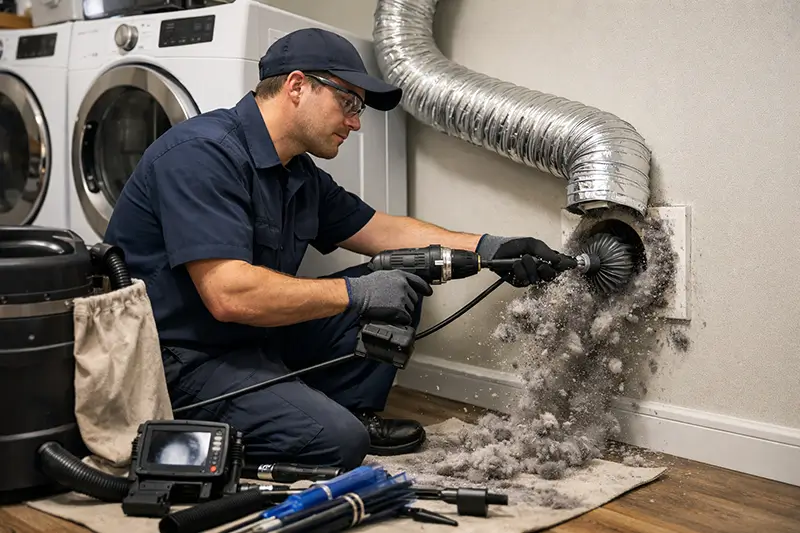
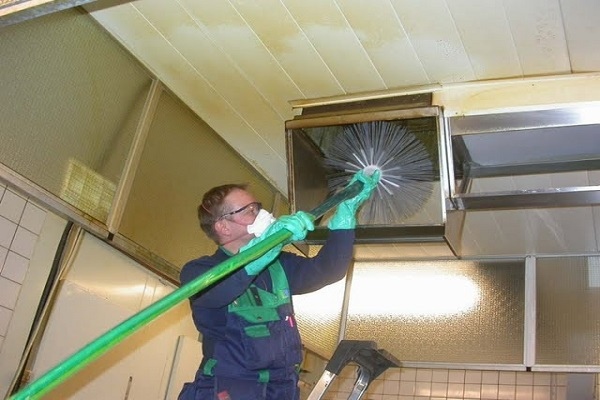
- HVAC and Duct Cleaning: Flexible, powerful brushes are now able to clean even the most complex ductwork layouts, improving indoor air quality and system efficiency. For a comparison of cleaning methods, see this analysis of negative air pressure vs. rotary brush cleaning.
- Metal Surface Preparation: Advanced brush heads are used for deburring, polishing, and finishing metal surfaces, ensuring a consistent finish. Learn more about specialized applications in this guide to rotary brush systems for metal polishing.
- Contamination Control: In industries like food processing and pharmaceuticals, rotary brushes are used to remove contaminants from surfaces and equipment. For more details, visit the contamination control systems overview.
- Dryer Vent and Chimney Cleaning: Homeowners and professionals alike benefit from flexible, easy-to-use kits that reduce fire risk and improve appliance efficiency.
Efficiency and Safety Improvements
One of the main goals of recent rotary brush system innovations is to enhance both efficiency and safety. Here’s how these improvements are being realized:
- Reduced Operator Fatigue: Lighter materials and ergonomic handles make extended use less tiring.
- Lower Maintenance Requirements: Brushless motors and self-cleaning features reduce downtime and extend the life of the equipment. For tips on maximizing durability, check out these rotary brush lifespan optimization strategies.
- Improved Debris Containment: Integrated vacuum and dust collection systems keep work areas cleaner and safer.
- Enhanced Safety Features: Automatic shut-off, overload protection, and real-time monitoring help prevent accidents and equipment damage.
Choosing the Right Rotary Brush System
With so many options available, selecting the best rotary brush system for your needs can be challenging. Here are some factors to consider:
- Application: Determine whether you need a system for duct cleaning, metal finishing, or another specific task.
- Brush Material and Size: Choose brush heads designed for your target surfaces and debris types.
- Motor Power and Speed Control: Look for adjustable settings to match the demands of different jobs.
- Ease of Maintenance: Systems with self-cleaning features or easy brush replacement save time and money.
- Safety Features: Prioritize models with built-in safety mechanisms, especially for industrial or commercial use.
Reading product reviews and consulting with industry professionals can also help you make an informed decision.
Maintaining Your System for Longevity
Proper care and regular maintenance are essential for getting the most out of your rotary brush equipment. Here are some best practices:
- Inspect brushes and shafts for wear before each use.
- Clean brush heads thoroughly after every job to prevent buildup.
- Lubricate moving parts as recommended by the manufacturer.
- Replace worn or damaged components promptly to avoid performance issues.
- Store equipment in a dry, protected area to prevent corrosion.
Following these steps will help extend the life of your investment and ensure consistent cleaning results.
FAQ: Rotary Brush System Innovations
What are the main benefits of recent rotary brush system advancements?
Recent developments have led to more efficient cleaning, improved safety, and greater versatility. Features like flexible shafts, digital controls, and integrated dust collection make these systems more user-friendly and effective across a range of applications.
How do I choose the right rotary brush system for my needs?
Consider the specific tasks you need to perform, the types of surfaces you’ll be cleaning, and the level of automation or safety features required. Comparing different models and reading expert guides can help narrow down your options.
Are rotary brush systems suitable for both residential and industrial use?
Yes, there are models designed for both home and professional settings. Homeowners often use them for dryer vent or duct cleaning, while industrial versions are built for heavy-duty tasks like metal finishing or contamination control.
How do rotary brush systems compare to negative air pressure cleaning?
Both methods have their advantages. Rotary brush systems physically agitate and remove debris, making them effective for stubborn buildup. For a detailed comparison, see this analysis of negative air pressure vs. rotary brush cleaning.
What maintenance is required to keep a rotary brush system in top condition?
Regular inspection, cleaning, lubrication, and timely replacement of worn parts are key to maintaining optimal performance and extending system lifespan.
Staying informed about the latest rotary brush system innovations ensures you can take full advantage of new technologies, improve your cleaning results, and maintain a safer, more efficient work environment.