Controlling contamination in industrial, commercial, and residential environments is essential for maintaining air quality, equipment performance, and regulatory compliance. One of the most effective tools for this task is the rotary brush system for contamination control. These systems are designed to remove dust, debris, and other contaminants from surfaces such as HVAC ducts, machinery, and production lines. Their mechanical action ensures thorough cleaning, making them a preferred solution for professionals who demand reliability and efficiency.
This article explores how rotary brush technology works, its key benefits, and practical applications. We’ll also cover maintenance tips, selection advice, and answer common questions to help you make informed decisions about contamination management. For those interested in advanced cleaning solutions, you may also want to learn about rotary brush hybrid cleaning systems and how they can complement your contamination control strategy.
How Rotary Brush Technology Works
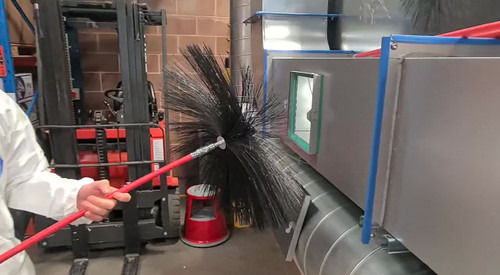
A rotary brush system uses a motor-driven rotating brush to dislodge and remove contaminants from surfaces. The brush, often made from nylon or other durable materials, spins at high speed, scraping away dust, dirt, and buildup. These systems can be attached to flexible rods, allowing them to navigate bends and tight spaces, making them ideal for ductwork and complex machinery.
The cleaning process typically involves inserting the rotary brush into the area to be cleaned, activating the motor, and slowly moving the brush through the space. As the brush rotates, it agitates and loosens contaminants, which are then collected by a vacuum or left for manual removal. This method is especially effective in environments where traditional cleaning tools cannot reach or where manual scrubbing would be inefficient.
Key Advantages of Rotary Brush Systems in Contamination Control
There are several reasons why a rotary brush system for contamination control is favored in many industries:
- Thorough Cleaning: The mechanical action of the rotating brush ensures even stubborn deposits are removed from surfaces.
- Versatility: Suitable for a wide range of applications, including HVAC ducts, conveyor belts, and industrial equipment.
- Efficiency: Reduces cleaning time compared to manual methods, increasing productivity and minimizing downtime.
- Accessibility: Flexible rods and brush heads allow access to hard-to-reach areas, ensuring comprehensive contamination control.
- Reduced Chemical Use: Often eliminates or reduces the need for harsh cleaning chemicals, supporting safer and greener operations.
For those interested in maximizing the lifespan and performance of their equipment, consider reviewing rotary brush lifespan optimization tips to keep your system running efficiently.

Applications Across Industries
Rotary brush cleaning systems are used in a variety of settings to manage contamination. Some of the most common applications include:
- HVAC Duct Cleaning: Removing dust, mold, and debris from air ducts to improve indoor air quality and system efficiency.
- Manufacturing Facilities: Cleaning conveyor belts, rollers, and production lines to prevent product contamination and equipment wear.
- Food Processing: Ensuring hygienic conditions by removing residues from processing equipment and surfaces.
- Automotive and Aerospace: Cleaning engine parts, air intakes, and ventilation systems to maintain performance and safety.
- Residential Use: Homeowners use rotary brush kits to clean dryer vents, chimneys, and exhaust ducts, reducing fire risks and improving appliance efficiency.
In specialized cases, such as polishing metal surfaces, you might explore a rotary brush system for polishing metal to achieve both cleaning and finishing in a single step.
Choosing the Right Rotary Brush System
Selecting the appropriate rotary brush setup depends on several factors:
- Type of Contaminant: Consider the nature of the debris—dust, grease, scale, or biological growth—to choose the right brush material and stiffness.
- Surface Material: Delicate surfaces may require softer brushes, while tougher deposits may need stiffer bristles.
- System Compatibility: Ensure the brush and drive mechanism are compatible with your existing equipment or ductwork dimensions.
- Power Source: Some systems are powered by handheld drills, while others use dedicated electric or pneumatic motors.
- Maintenance Requirements: Opt for systems that are easy to clean and maintain, with readily available replacement parts.
For a detailed overview on selecting the right motor for your needs, see the rotary brush motor selection guide.
Maintenance and Longevity Tips
Proper care is crucial for keeping your rotary brush system effective and extending its service life. Here are some practical maintenance tips:
- Inspect brushes regularly for wear and replace them as needed to maintain cleaning performance.
- Clean the brush heads and rods after each use to prevent buildup and cross-contamination.
- Lubricate moving parts according to the manufacturer’s instructions.
- Store the system in a dry, clean environment to prevent corrosion and damage.
- Follow maintenance tips for brush cutters to ensure optimal performance and safety.
Understanding the rotary brush system lifecycle can also help you plan for timely upgrades and replacements, minimizing unexpected downtime.
Best Practices for Effective Contamination Management
To get the most from your rotary brush cleaning system, follow these best practices:
- Schedule regular cleaning intervals based on usage and contamination risk.
- Train staff on proper operation and safety protocols to prevent damage or injury.
- Document cleaning procedures and results to track effectiveness and compliance.
- Combine mechanical cleaning with vacuum extraction where possible to capture loosened debris.
- Stay updated on industry standards and innovations to continually improve your contamination control program.
By integrating these strategies, organizations can maintain cleaner environments, protect equipment, and ensure compliance with health and safety regulations.
Frequently Asked Questions
What types of contaminants can rotary brush systems remove?
Rotary brush cleaning systems are effective at removing dust, dirt, mold, lint, grease, and even some biological contaminants from a variety of surfaces. Their mechanical action makes them suitable for both light and heavy-duty cleaning tasks.
How often should I use a rotary brush system for cleaning ducts or equipment?
The recommended frequency depends on the environment and level of contamination. For residential HVAC ducts, annual or biennial cleaning is common. In industrial settings, cleaning intervals may be more frequent, especially in high-dust or critical environments.
Are rotary brush systems safe for all surfaces?
Most systems offer a range of brush materials and stiffness levels to suit different surfaces. Always select the appropriate brush for the material you are cleaning to avoid scratching or damaging delicate components.
Conclusion
A rotary brush system for contamination control offers a reliable, efficient, and versatile solution for maintaining cleanliness in a wide range of settings. By understanding how these systems work, their benefits, and best practices for use and maintenance, you can ensure effective contamination management and prolong the life of your equipment. Whether you are responsible for industrial facilities, commercial buildings, or residential properties, investing in the right rotary brush technology can make a significant difference in air quality, safety, and operational efficiency.