For companies seeking efficient, reliable cleaning solutions, understanding the rotary brush system benefits can make a significant difference in operational performance and workplace safety. These systems, designed to automate and enhance cleaning tasks, are widely used in industries ranging from HVAC maintenance to manufacturing and food processing. Their versatility and effectiveness have made them a preferred choice for businesses aiming to improve cleanliness, reduce manual labor, and maintain equipment longevity.
In this article, we’ll explore the main advantages of rotary brush systems, how they compare to traditional cleaning methods, and why they are increasingly adopted across commercial sectors. If you’re interested in a deeper dive into how these systems function, check out this detailed resource on how rotary brush systems work.
How Rotary Brush Systems Enhance Cleaning Efficiency
One of the most notable rotary brush system benefits is their ability to deliver consistent, thorough cleaning with minimal manual intervention. Unlike traditional methods that rely heavily on manual scrubbing or simple vacuuming, rotary systems use motorized brushes that rotate at high speeds. This action dislodges and removes debris, dust, and contaminants from surfaces more effectively.
Key efficiency advantages include:
- Time savings: Automated brushing covers large areas quickly, reducing labor hours.
- Uniform results: The rotating action ensures even cleaning, minimizing missed spots.
- Versatility: Suitable for ducts, conveyor belts, industrial floors, and more.
For a closer look at the various ways these systems are used, see this overview of rotary brush system applications.
Improved Workplace Health and Safety
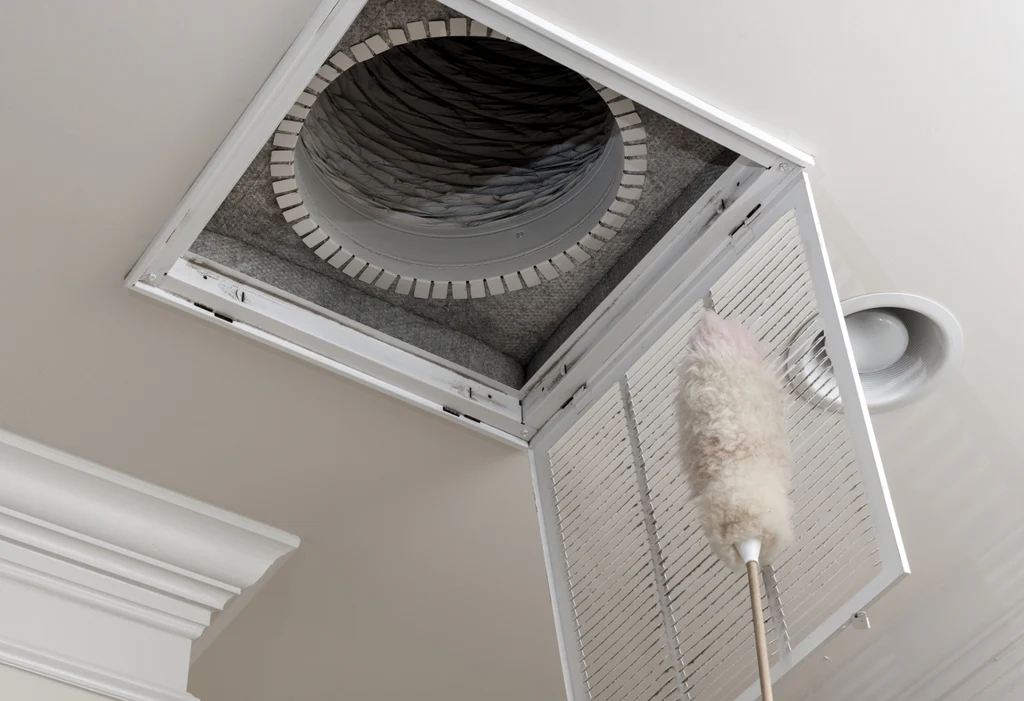
Maintaining a clean environment is crucial for employee well-being and regulatory compliance. Rotary brush systems play a vital role in reducing airborne dust, allergens, and potentially harmful residues. By automating the cleaning of hard-to-reach areas—such as air ducts, vents, and industrial machinery—these systems help businesses achieve higher standards of hygiene.
Some of the health and safety benefits include:
- Reduced allergen exposure: Effective removal of dust and mold from HVAC systems improves indoor air quality.
- Lower risk of equipment fires: Regular cleaning of lint and debris from ducts and machinery helps prevent fire hazards.
- Compliance with standards: Many industries require regular cleaning to meet OSHA and other regulatory guidelines.
For more information on the mechanisms behind these systems, review this comprehensive guide on rotating brush technology.
Cost Savings and Maintenance Advantages
Investing in a rotary brush system often leads to significant cost savings over time. By automating routine cleaning, businesses can reduce labor costs and minimize the need for expensive manual interventions. Additionally, regular use of these systems helps extend the lifespan of equipment by preventing the buildup of dirt and debris that can cause wear or malfunctions.
Key financial and maintenance benefits:
- Lower maintenance costs: Clean equipment operates more efficiently and requires fewer repairs.
- Reduced downtime: Automated cleaning can be scheduled during off-hours, minimizing disruption to operations.
- Energy savings: Clean HVAC systems and machinery use less energy, further reducing operational expenses.
For businesses in heavy industry, specialized solutions are available. Learn more about industrial rotary brush systems and their unique advantages.
Versatility Across Multiple Industries
Rotary brush systems are not limited to a single type of business. Their adaptability makes them suitable for a wide range of commercial and industrial applications, including:
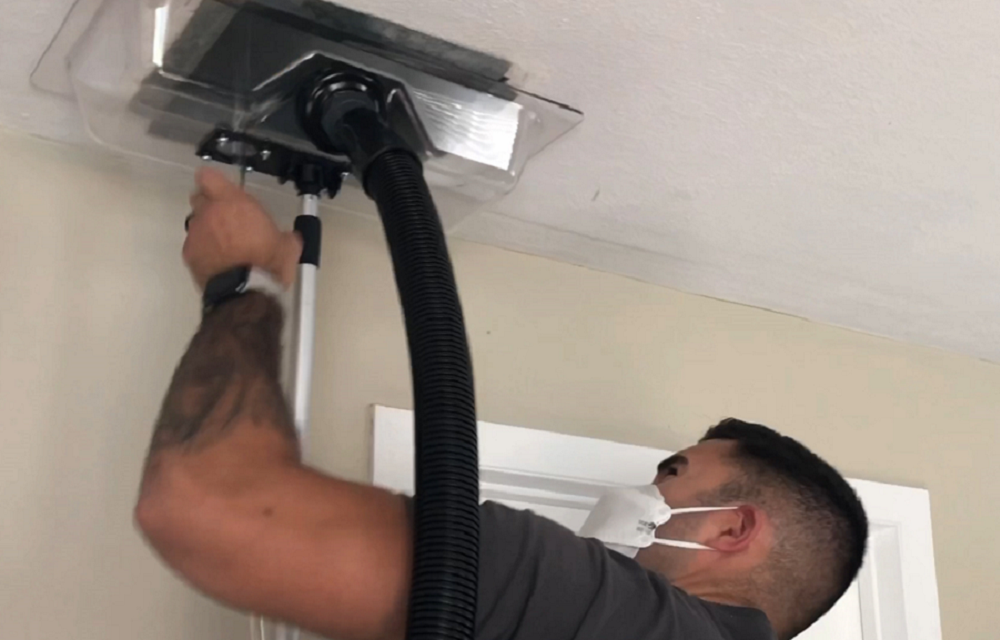
- HVAC and duct cleaning: Ensures optimal air quality and system efficiency.
- Manufacturing: Cleans conveyor belts, rollers, and production lines.
- Food processing: Maintains hygiene standards on equipment and surfaces.
- Automotive: Used for detailing and cleaning vehicle parts.
- Facility maintenance: Keeps floors, walls, and ceilings free from dust and debris.
If you’re interested in a broader overview, see this article on what are rotary brush systems for a complete introduction.
Comparing Rotary Brush Systems to Traditional Cleaning Methods
When evaluating cleaning technologies, it’s important to compare rotary brush systems with conventional approaches such as manual scrubbing, compressed air, or simple vacuuming. While traditional methods can be effective for small-scale or occasional cleaning, they often fall short in terms of efficiency, consistency, and thoroughness.
| Aspect | Rotary Brush Systems | Traditional Methods |
|---|---|---|
| Efficiency | High – covers large areas quickly | Low – labor-intensive, slower |
| Consistency | Uniform cleaning results | Varies with operator skill |
| Safety | Reduces manual contact with contaminants | Higher risk of exposure |
| Cost | Lower long-term costs | Higher labor and maintenance costs |
For a selection of the best solutions available, see this curated list of top rotary brush systems for industrial cleaning.
Frequently Asked Questions
What types of businesses benefit most from rotary brush systems?
Industries such as HVAC, manufacturing, food processing, automotive, and facility maintenance gain the most from these systems due to their need for regular, thorough cleaning and compliance with health and safety standards.
How often should rotary brush systems be used for optimal results?
The recommended frequency depends on the specific application and industry. For HVAC ducts, quarterly or biannual cleaning is common, while manufacturing environments may require weekly or even daily use to maintain equipment and product quality.
Are rotary brush systems difficult to maintain?
Most modern rotary brush systems are designed for easy maintenance. Regular inspection, cleaning of the brushes, and timely replacement of worn parts ensure long-term reliability and performance.
Can these systems be used for both wet and dry cleaning?
Yes, many rotary brush systems are compatible with both wet and dry cleaning processes, making them suitable for a wide range of cleaning tasks and environments.
Conclusion
Rotary brush systems offer substantial advantages for businesses seeking to improve cleaning efficiency, workplace safety, and cost-effectiveness. Their ability to automate and standardize cleaning processes makes them a valuable investment for a variety of industries. By understanding the specific rotary brush system benefits and how they apply to your operations, you can make informed decisions that support both productivity and compliance.