Rotary brush systems are specialized cleaning tools designed to remove debris, dust, and contaminants from a variety of surfaces and internal spaces, most commonly within HVAC ducts, dryer vents, and industrial pipes. These systems use a motorized or drill-powered rotating brush head that agitates and loosens buildup, making it easier to extract with suction or airflow. Their versatility and effectiveness have made them a preferred choice for both residential and commercial cleaning professionals.
Understanding the mechanics, applications, and benefits of these cleaning solutions can help homeowners, facility managers, and contractors achieve better results in maintaining air quality and equipment efficiency. In this guide, we’ll explore how rotary brush systems work, where they’re used, and what to consider when selecting one for your needs.
For those interested in more advanced or large-scale options, industrial rotary brush systems offer higher power and specialized features tailored for demanding environments.
How Rotary Brush Cleaning Works
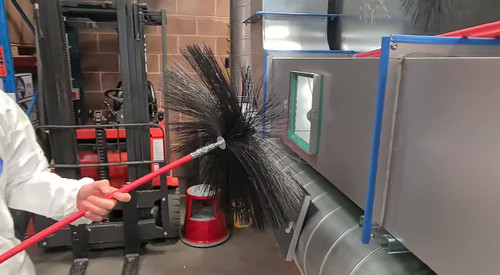
The core principle behind these systems is simple: a brush, often made of nylon or other durable fibers, is attached to a flexible shaft. This shaft is then connected to a power source, such as a handheld drill or a dedicated motor. When activated, the brush spins rapidly, scrubbing the interior surfaces of ducts, vents, or pipes. The rotating action dislodges dust, lint, mold, and other contaminants, which can then be removed with a vacuum or airflow.
Some systems include interchangeable brush heads of various sizes and stiffness, allowing users to adapt the tool to different duct diameters and cleaning challenges. Flexible rods or extensions help the brush navigate bends and corners, ensuring thorough coverage even in complex ductwork layouts.
Key Components and Features
To better understand what makes these cleaning tools effective, it helps to break down their main components:
- Rotary Brush Head: The cleaning element, available in multiple diameters and bristle types to suit different surfaces and debris types.
- Flexible Shaft or Rods: These connect the brush to the power source and allow the system to reach deep into ducts or pipes, even around bends.
- Power Source: Most commonly a handheld drill, but some professional-grade systems use dedicated motors for continuous operation.
- Adapters and Extensions: Optional accessories that enable compatibility with various brush heads or increase reach for longer duct runs.
Some advanced systems may also feature integrated cameras for inspection, variable speed controls, or specialized attachments for removing stubborn blockages.

Common Applications for Rotary Brush Systems
These cleaning tools are valued for their adaptability and effectiveness across a range of settings. Typical uses include:
- HVAC Duct Cleaning: Removing dust, pet hair, and allergens from heating and cooling ducts to improve air quality and system efficiency.
- Dryer Vent Maintenance: Clearing lint buildup to reduce fire risk and improve dryer performance.
- Industrial Pipe Cleaning: Addressing scale, debris, or residue in manufacturing and processing facilities.
- Chimney and Flue Cleaning: Dislodging soot and creosote to maintain safe operation of fireplaces and stoves.
For those with complex or multi-zone HVAC systems, learning how to clean a multi zone HVAC system can further optimize results when using rotary brush tools.
Benefits of Using Rotary Brush Technology
There are several reasons why these systems have become a standard in duct and vent cleaning:
- Thorough Cleaning: The rotating action reaches into crevices and around bends, dislodging debris that manual brushes may miss.
- Time Efficiency: Motorized operation speeds up the cleaning process, especially for long or complex duct runs.
- Versatility: Suitable for a wide range of duct sizes, materials, and contamination types.
- Improved Air Quality: Removing built-up dust and allergens can lead to healthier indoor environments.
- Reduced Fire Risk: Regular dryer vent cleaning with rotary brushes helps prevent dangerous lint accumulation.
Many users also appreciate the cost savings over time, as regular maintenance can extend the life of HVAC equipment and reduce energy consumption.
Choosing the Right Rotary Brush System
Selecting the best system for your needs depends on several factors:
- Duct or Pipe Size: Choose brush heads and shafts compatible with your specific ductwork dimensions.
- Type of Debris: Stiffer bristles may be needed for heavy buildup, while softer brushes are ideal for delicate surfaces.
- Power Source: Consider whether a drill-powered or dedicated motor system is more suitable for your workload and frequency of use.
- Length and Flexibility: Ensure the rods or shafts are long and flexible enough to reach the entire length of your ducts or vents.
- Accessory Compatibility: Some systems offer additional attachments for specialized cleaning tasks or inspection cameras for visual feedback.
For more technical insight into the mechanisms behind these tools, see how rotary brush systems work for a detailed breakdown of their operation.
Maintenance and Safety Tips
Proper care and safe operation are essential for getting the most out of your cleaning equipment. Here are some practical tips:
- Inspect brush heads and shafts for wear before each use; replace any damaged parts promptly.
- Follow manufacturer instructions for assembly and operation to avoid damaging ducts or the system itself.
- Wear appropriate personal protective equipment, such as gloves and masks, especially when dealing with mold or hazardous debris.
- Clean and store components in a dry area to prevent rust or bristle deformation.
- For more advice, check out maintenance tips for brush cutters which often apply to rotary brush systems as well.
When to Use Rotary Brush Cleaning Solutions
Routine cleaning schedules will vary based on usage and environment, but there are some signs that indicate it’s time to use a rotary brush system:
- Noticeable dust or debris around air vents or registers
- Reduced airflow or increased energy bills
- Persistent odors coming from ducts or vents
- After renovations or construction work that may have introduced dust
- Annual or biannual maintenance for dryer vents and HVAC systems
If you encounter persistent blockages or suspect dead spots in your ductwork, learning how to identify dead spots in ductwork can help you target your cleaning efforts more effectively.
Frequently Asked Questions
Are rotary brush systems safe for all types of ductwork?
Most systems are designed to be safe for metal and flexible ducts, but it’s important to select the right brush stiffness and follow manufacturer guidelines. For fragile or older ductwork, use softer bristles and proceed with caution to avoid damage.
How often should I clean my dryer vent or HVAC ducts with a rotary brush?
For dryer vents, annual cleaning is recommended to prevent lint buildup and fire hazards. HVAC ducts may require cleaning every 3–5 years, or more frequently in homes with pets, allergies, or heavy dust. Always adjust based on your specific environment and usage.
Can I use a rotary brush system myself, or should I hire a professional?
Many homeowners successfully use these systems for routine maintenance, especially with user-friendly kits. However, for complex ductwork, severe buildup, or if you’re unsure about the process, hiring a professional ensures thorough and safe cleaning.
What should I do if I find charcoal dust or other unusual debris in my vents?
If you discover charcoal dust or similar residues, it’s important to address the source of the contamination and clean thoroughly. For step-by-step guidance, see how to remove charcoal dust from vents.
Conclusion
Rotary brush systems offer an effective, versatile, and time-saving solution for maintaining clean ducts, vents, and pipes. By understanding their components, applications, and best practices, you can improve indoor air quality, enhance equipment performance, and reduce safety risks. Whether you’re a homeowner tackling routine maintenance or a professional managing large-scale cleaning projects, choosing the right system and using it correctly will yield the best results.