Rotary brush system applications have become essential across a wide range of industries, offering effective solutions for cleaning, maintenance, and surface preparation. These systems use rotating brushes—often powered by electric or pneumatic motors—to dislodge debris, dust, and contaminants from various surfaces. Their adaptability and efficiency make them a preferred choice for both commercial and industrial environments.
From HVAC duct cleaning to floor maintenance and beyond, rotary brush systems deliver consistent results while reducing manual labor. Their versatility allows them to be used in tight spaces, on delicate surfaces, and even in large-scale industrial operations. Understanding the different ways these systems can be applied helps businesses and facility managers select the right tools for their needs.

For those interested in a deeper technical dive, how rotary brush systems work provides a comprehensive explanation of the mechanisms behind these powerful tools.
Key Industries Benefiting from Rotary Brush Technology
The use of rotary brush systems has expanded well beyond their original applications. Today, they are found in:
- HVAC and duct cleaning
- Commercial and industrial floor maintenance
- Manufacturing and production line cleaning
- Food processing and packaging plants
- Automotive and transportation sectors
- Solar panel and exterior building cleaning
Each of these sectors relies on the unique capabilities of rotary brush systems to maintain cleanliness, ensure safety, and extend equipment lifespan.
HVAC Duct and Vent Cleaning Solutions
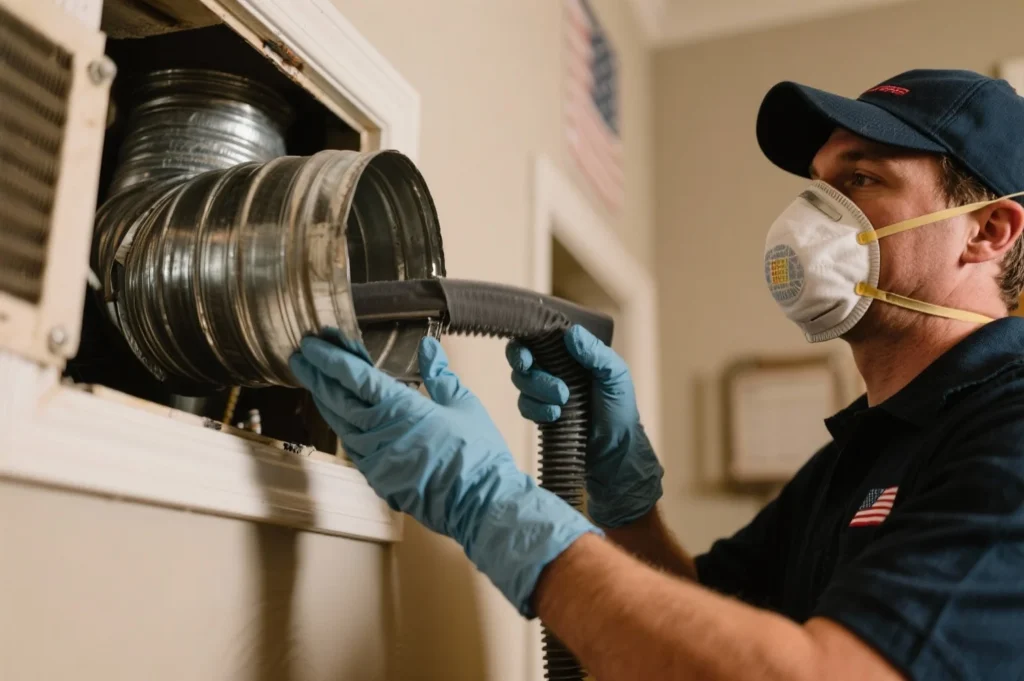
One of the most common rotary brush system applications is in the cleaning of HVAC ducts and vents. Over time, air ducts accumulate dust, allergens, and even mold, which can compromise indoor air quality and system efficiency. Rotary brushes, when attached to flexible rods, can navigate bends and turns within ductwork, thoroughly removing debris from both round and rectangular ducts.

Regular duct cleaning not only improves air quality but also enhances energy efficiency and reduces fire hazards. For commercial environments, commercial rotary brush systems are specifically designed to handle larger ductwork and more demanding cleaning tasks.
Floor Maintenance and Surface Preparation
Rotary brush machines are widely used for cleaning and maintaining hard floors in commercial spaces, warehouses, and industrial facilities. These systems can scrub, polish, and even strip old finishes from surfaces such as concrete, tile, and vinyl. The rotating action of the brushes ensures even coverage and effective removal of dirt, grime, and stains.
For those interested in the latest advancements, a detailed overview of rotary floor brush machine technology highlights how modern systems are improving cleaning efficiency and reducing downtime.
In addition to cleaning, rotary brush systems are also used for preparing surfaces prior to painting or coating. By removing old paint, rust, or adhesives, these tools help ensure better adhesion and a longer-lasting finish.
Industrial and Manufacturing Applications
In manufacturing environments, rotary brush systems play a crucial role in maintaining equipment and production lines. They are used to clean conveyor belts, rollers, and machinery components, preventing buildup that can lead to malfunctions or product contamination. Some systems are integrated directly into production lines for continuous cleaning, minimizing manual intervention and downtime.
For large-scale operations, industrial rotary brush systems offer robust construction and customizable brush types to handle a variety of materials, from metal shavings to food residues.
Other industrial uses include deburring metal parts, cleaning weld seams, and preparing surfaces for further processing. The adaptability of these systems allows them to be tailored for specific tasks, improving productivity and product quality.
Specialized Uses: Food Processing, Solar Panels, and More
Beyond traditional cleaning, rotary brush systems are employed in specialized settings such as food processing plants, where hygiene is paramount. Brushes made from food-safe materials can clean conveyor belts, cutting surfaces, and packaging equipment without risking contamination.
Another growing application is in the maintenance of solar panels. Dust and debris can significantly reduce the efficiency of solar arrays. Rotary brush systems, often mounted on automated vehicles, gently clean panel surfaces without scratching or damaging them.
Other unique uses include graffiti removal, cleaning of transportation vehicles, and even agricultural equipment maintenance. The ability to swap out different brush types—soft, abrasive, or anti-static—makes these systems suitable for a wide variety of materials and surfaces.
Choosing the Right Rotary Brush System for Your Needs
Selecting the best rotary brush system depends on several factors:
- Type of surface or material to be cleaned
- Size and accessibility of the area
- Level of debris or contamination
- Required brush material (nylon, steel, polypropylene, etc.)
- Power source (manual, electric, pneumatic)
For a comprehensive overview of available options, rotary brush systems are compared by features, durability, and suitability for different industries. Consulting with manufacturers or cleaning professionals can help ensure the chosen system matches the specific requirements of your facility or project.
Maintenance Tips for Optimal Performance
To maximize the lifespan and effectiveness of rotary brush systems, regular maintenance is essential. Here are some best practices:
- Inspect brushes for wear and replace as needed to maintain cleaning efficiency.
- Clean the brush heads after each use to prevent buildup of debris or chemicals.
- Lubricate moving parts according to manufacturer guidelines.
- Store equipment in a dry, clean environment to avoid corrosion or damage.
- Periodically check power connections and safety features.
Following these steps helps ensure consistent results and reduces the risk of unexpected breakdowns.
Frequently Asked Questions
What surfaces can rotary brush systems clean?
Rotary brush systems are designed to clean a wide range of surfaces, including HVAC ducts, hard floors, conveyor belts, solar panels, and even delicate equipment in food processing plants. The choice of brush material and size allows for customization based on the specific surface and type of debris.
Are rotary brush systems safe for use in sensitive environments?
Yes, many rotary brush systems are engineered with safety in mind. Brushes made from food-grade or anti-static materials can be used in sensitive environments such as food processing or electronics manufacturing. Always select a system that matches the safety requirements of your application.
How often should rotary brush systems be maintained?
Routine maintenance is crucial for optimal performance. Brushes should be inspected and cleaned after each use, and worn parts should be replaced promptly. Depending on usage frequency and environment, more thorough maintenance may be needed monthly or quarterly.
Conclusion
The broad range of rotary brush system applications demonstrates their value in modern cleaning and maintenance operations. Whether used for ductwork, industrial machinery, or specialized surfaces, these systems offer efficiency, adaptability, and reliable results. By selecting the right equipment and following proper maintenance protocols, businesses can achieve cleaner, safer, and more productive environments.
For those new to the technology, what are rotary brush systems provides a helpful introduction to the fundamentals and benefits of these versatile tools.