Rotary brush systems have become essential tools for cleaning and maintenance across a range of industries, from HVAC ductwork and chimneys to carpets and industrial surfaces. Their effectiveness lies in their unique mechanical action, which combines rotation and brushing to dislodge and remove debris efficiently. Understanding how rotary brush systems work can help users select the right equipment, maintain it properly, and achieve better cleaning results.
In this article, we’ll break down the core mechanisms behind rotary brush systems, explore their typical applications, and explain what makes them so effective. Whether you’re a professional cleaner, facility manager, or a homeowner interested in advanced cleaning tools, this guide will clarify the technology and practical benefits of these systems.
For those interested in related maintenance topics, you might also find our guide on how to clean an HRV filter useful for keeping your ventilation systems in top condition.
Core Components and Mechanical Principles
At the heart of every rotary brush system is a simple yet powerful concept: a brush head that spins rapidly, powered by a motor or a drill. This rotational movement, combined with the bristles’ contact with surfaces, creates a scrubbing action that lifts dirt, dust, and debris.
- Brush Head: The brush head can be made from a variety of materials, such as nylon, polypropylene, or metal wire, depending on the application. The bristles are designed to be stiff enough to dislodge debris but flexible enough to navigate tight spaces.
- Rotary Drive: The spinning motion is generated either by an electric motor built into the tool or by attaching the brush to a standard power drill. Some systems use flexible rods to transmit rotational force into hard-to-reach areas, such as inside ducts or pipes.
- Extension Rods: Many rotary brush kits include extension rods, allowing users to reach deep into ductwork, chimneys, or other confined spaces without dismantling large sections.
- Control Mechanism: Speed and direction can often be controlled, allowing operators to adjust the cleaning intensity for different surfaces or types of debris.
How the Rotary Action Cleans Effectively
The effectiveness of rotary brush systems comes from the combination of mechanical agitation and consistent contact with the surface. As the brush rotates, the bristles sweep across the surface, loosening and lifting particles that would otherwise remain stuck. This is particularly useful in duct cleaning, where dust, lint, and even mold can accumulate in hard-to-reach areas.
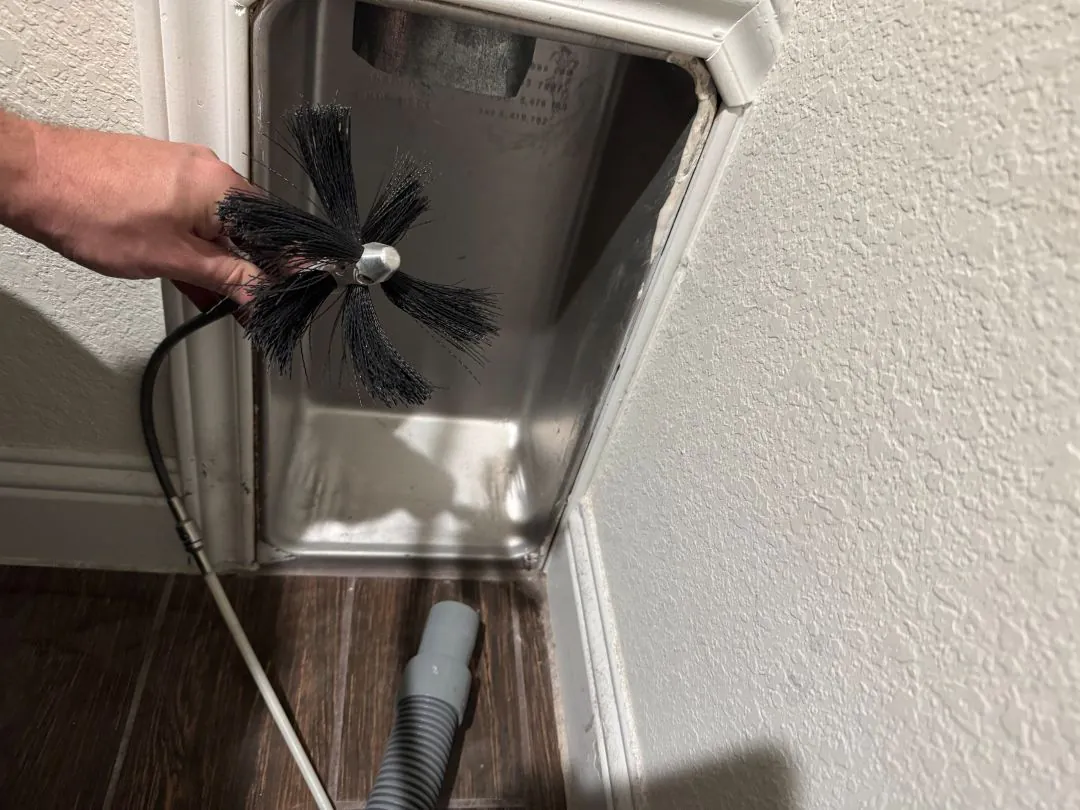
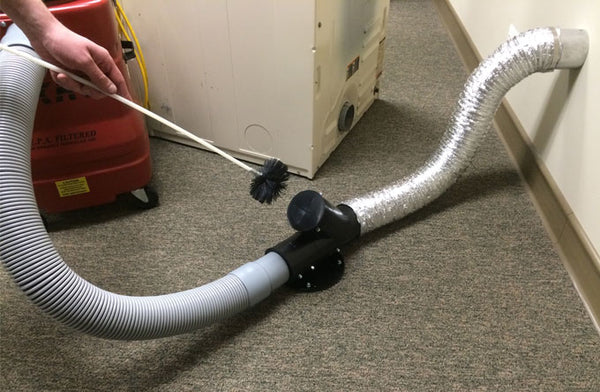
When paired with a vacuum or suction system, rotary brushes can remove loosened debris immediately, preventing it from spreading into the environment. This dual-action approach is why rotary brushes are favored for HVAC, dryer vent, and chimney cleaning.
Common Applications for Rotary Brush Technology
Rotary brush systems are used in a variety of settings, each with its own cleaning challenges. Here are some of the most common applications:
- HVAC Duct Cleaning: These systems are ideal for removing dust, pet hair, and other debris from air ducts, improving indoor air quality and system efficiency.
- Dryer Vent Maintenance: Lint buildup in dryer vents is a fire hazard. Rotary brushes can effectively clear out lint, reducing risk and improving dryer performance.
- Chimney Sweeping: Brushes designed for chimneys can remove soot and creosote, helping prevent chimney fires and ensuring proper ventilation.
- Carpet and Floor Cleaning: Some rotary brush machines are used for deep-cleaning carpets or scrubbing hard floors in commercial settings.
- Industrial Surface Cleaning: In factories or workshops, rotary brushes can clean conveyor belts, machinery, and other equipment surfaces.
For more on identifying and addressing airflow issues in ductwork, see our article on how to identify dead spots in ductwork.
Advantages of Using Rotary Brush Systems
Understanding the benefits of these systems can help users make informed decisions about their cleaning routines:
- Thorough Cleaning: The rotating action ensures bristles reach into crevices and around corners, removing more debris than manual brushing alone.
- Time Efficiency: Rotary brushes clean faster and more consistently, especially in long or complex duct runs.
- Versatility: With interchangeable brush heads and adjustable rods, one system can tackle multiple cleaning tasks.
- Reduced Labor: Mechanical action reduces the physical effort required, making cleaning less strenuous.
- Improved Safety: Removing flammable lint or hazardous buildup from vents and chimneys helps prevent fires and health risks.
Maintenance and Best Practices
To keep your rotary brush system working efficiently, regular maintenance is essential. Here are some practical tips:
- Inspect brush heads for wear and replace them when bristles become frayed or deformed.
- Clean extension rods and connectors after use to prevent buildup of debris and ensure smooth operation.
- Lubricate moving parts if recommended by the manufacturer.
- Store the system in a dry place to prevent rust or corrosion, especially for metal components.
- Follow safety guidelines, such as wearing protective eyewear and ensuring the power source is disconnected before changing attachments.
For additional advice on cleaning multi-zone HVAC systems, check out our guide on how to clean a multi zone HVAC system.
Tips for Choosing the Right Rotary Brush System
With many options on the market, selecting the right rotary brush system depends on your specific needs. Consider these factors:
- Application: Choose a system designed for your intended use—HVAC, dryer vents, chimneys, or floors.
- Brush Material: Softer bristles are better for delicate surfaces, while stiffer bristles handle tougher debris.
- Rod Flexibility: Flexible rods are crucial for navigating bends and elbows in ductwork or vents.
- Compatibility: Ensure the system fits your power drill or comes with its own motorized driver.
- Ease of Maintenance: Look for systems with easily replaceable parts and clear maintenance instructions.
For more on maintaining cleaning equipment, see this comprehensive guide to maintaining brushcutters.
Frequently Asked Questions
What surfaces can rotary brush systems clean?
Rotary brush systems are versatile and can be used on a wide range of surfaces, including HVAC ducts, dryer vents, chimneys, carpets, tile, and industrial equipment. The key is to select the appropriate brush head and bristle material for the surface you are cleaning.
How often should I use a rotary brush for duct or vent cleaning?
For residential HVAC ducts, cleaning every 3–5 years is typical, but households with pets, allergies, or recent renovations may benefit from more frequent cleaning. Dryer vents should be cleaned at least once a year to prevent lint buildup and fire hazards.
Can I use a rotary brush system myself, or should I hire a professional?
Many rotary brush kits are designed for DIY use and can be attached to a household drill. However, for complex ductwork or if you are unsure about the process, hiring a professional ensures thorough cleaning and reduces the risk of damage to your system.
Are rotary brush systems safe for all types of ductwork?
Most modern rotary brushes are safe for metal and flexible ducts, but it’s important to check the manufacturer’s recommendations. Avoid using stiff or metal bristles on fragile or older duct materials to prevent damage.
What maintenance does a rotary brush system require?
Regularly inspect and clean the brush heads, rods, and connectors. Replace worn brushes and lubricate moving parts if necessary. Always follow the manufacturer’s care instructions for optimal performance and longevity.
For more troubleshooting tips, you can also read about how to check for dust in a heat pump and how to remove charcoal dust from vents after a leak.