Industrial cleaning demands robust, efficient solutions that can tackle heavy buildup and maintain critical systems. Rotary brush systems have become a cornerstone in this field, offering a mechanical approach to removing dust, debris, and contaminants from ducts, vents, and machinery. Their rotating action, combined with specialized bristles, delivers thorough cleaning performance across a range of environments, from manufacturing plants to commercial HVAC systems.
Choosing the right rotary brush setup is essential for maximizing cleaning efficiency and minimizing downtime. In this article, we’ll explore leading options, key features to consider, and practical advice for selecting and using these systems. For those seeking a deeper dive into advanced configurations, the guide on industrial rotary brush systems provides additional insights into high-performance solutions tailored for demanding applications.

Understanding Rotary Brush Cleaning Technology
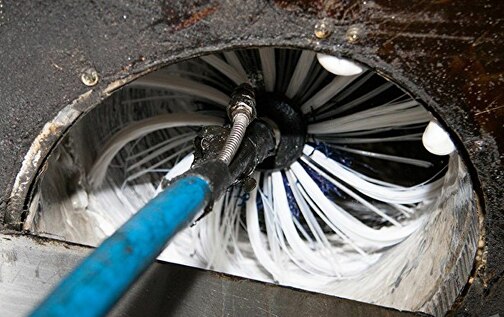
At the heart of these cleaning systems is a motor-driven shaft that spins a brush head, allowing bristles to dislodge and sweep away stubborn deposits. The rotary brush system can be adapted for various cleaning tasks, including:
- HVAC ductwork maintenance
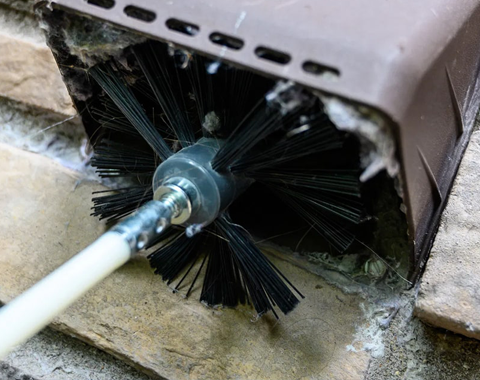
- Dryer vent cleaning
- Industrial pipe and tube cleaning
- Surface preparation and finishing
Brushes come in different shapes, sizes, and bristle materials to suit specific contaminants and surfaces. Some models integrate vacuum extraction, capturing loosened debris for a cleaner, safer worksite. For a detailed explanation of the mechanics behind these tools, see the article on how rotary brush systems work.
Key Features to Look for in Industrial Rotary Brush Solutions
When evaluating options for industrial cleaning, consider the following essential features:
- Brush Versatility: Interchangeable heads allow adaptation to different duct sizes and shapes.
- Motor Power: Sufficient torque is crucial for removing tough buildup in large-scale systems.
- Extension Capability: Flexible shafts and extension rods enable access to deep or hard-to-reach areas.
- Debris Collection: Integrated vacuum or dust extraction improves cleanliness and safety.
- Durability: Industrial-grade materials withstand frequent use and harsh environments.
- Ease of Use: Ergonomic handles, intuitive controls, and quick-change mechanisms enhance productivity.
Assessing these factors will help you select a system that matches your facility’s specific cleaning requirements.
Leading Rotary Brush Systems for Industrial Applications
Several brands and models have earned strong reputations for reliability and performance in industrial settings. Here’s a look at top contenders:
1. LintEater Rotary Cleaning System
The LintEater system is widely recognized for its effectiveness in vent and duct cleaning. Its flexible rods and durable brush heads make it suitable for both residential and light industrial use. The system’s modular design allows users to extend reach and adapt to various ductwork configurations.
2. Holikme Flexible Rotary Brush Kit
Holikme’s kit stands out for its versatility and ease of use. With a range of brush sizes and a flexible shaft, it can navigate bends and corners in complex duct systems. The synthetic bristles are tough on debris but gentle on duct surfaces, reducing the risk of damage.
3. Professional-Grade Industrial Rotary Systems
For heavy-duty applications, professional-grade systems offer enhanced motor power, larger brush heads, and advanced debris extraction. These units are designed for frequent use in commercial facilities, manufacturing plants, and large-scale HVAC systems. They often include safety features and rugged construction to withstand demanding environments.
Applications and Benefits of Rotary Brush Cleaning
These mechanical cleaning solutions are used across a wide range of industries, including:
- Food processing plants
- Pharmaceutical manufacturing
- Automotive and aerospace facilities
- Commercial and institutional buildings
The main advantages of using a rotary brush system include:
- Improved Air Quality: Removing dust and contaminants from ducts and vents enhances indoor air quality.
- Energy Efficiency: Clean systems operate more efficiently, reducing energy consumption and costs.
- Reduced Fire Risk: Regular cleaning of dryer vents and exhaust systems minimizes the risk of fire caused by lint buildup.
- Extended Equipment Lifespan: Preventing debris accumulation helps machinery and HVAC systems last longer.
For more on maintaining complex HVAC systems, see the guide on how to clean a multi zone HVAC system.
How to Choose the Right Rotary Brush System
With many options available, selecting the ideal solution involves considering:
- Type of Contaminant: Grease, dust, lint, or scale may require different bristle types and brush stiffness.
- System Size: Large ducts or pipes need longer rods and larger brush heads.
- Frequency of Cleaning: Facilities with heavy usage may benefit from more durable, professional-grade systems.
- Budget: Balance upfront investment with long-term savings from improved efficiency and reduced maintenance.
It’s also important to consider the manufacturer’s support, availability of replacement parts, and user reviews. For a practical look at cleaning rotary dryers, see this step-by-step rotary dryer cleaning guide.
Maintenance Tips for Rotary Brush Equipment
To ensure optimal performance and longevity of your cleaning tools, follow these maintenance practices:
- Inspect brushes regularly for wear and replace as needed.
- Clean shafts and moving parts after each use to prevent buildup.
- Store equipment in a dry, protected area to avoid corrosion.
- Lubricate bearings and joints according to manufacturer recommendations.
- Check for loose connections or damaged components before each operation.
Consistent upkeep not only extends the life of your investment but also ensures safe and effective cleaning results. For troubleshooting airflow issues, the article on how to identify dead spots in ductwork can be a valuable resource.
Frequently Asked Questions
What types of contaminants can rotary brush systems remove?
These cleaning solutions are effective against dust, lint, grease, scale, and other stubborn deposits commonly found in ducts, vents, and industrial piping. The choice of brush material and design should match the specific contaminant for best results.
How often should industrial ductwork be cleaned with a rotary brush system?
Cleaning frequency depends on the environment and usage. High-traffic or high-dust facilities may require quarterly or even monthly cleaning, while less demanding sites might only need annual maintenance. Regular inspections help determine the optimal schedule.
Are rotary brush systems safe for all duct materials?
Most modern systems are designed to be safe for metal, flexible, and some plastic ducts. However, it’s important to select the right brush stiffness and size to avoid damaging delicate surfaces. Always consult manufacturer guidelines before use.
Conclusion
Rotary brush systems offer a powerful, mechanical approach to industrial cleaning, making them indispensable for maintaining air quality, safety, and equipment efficiency. By understanding the available options and their features, facility managers and maintenance teams can select the right tools for their specific needs. Regular use and proper maintenance of these systems help ensure a cleaner, safer, and more productive industrial environment.