Rotary brush systems have become a cornerstone in cleaning and maintenance across industries, from HVAC ductwork to commercial production lines. As sustainability becomes a top priority for businesses and homeowners alike, understanding the rotary brush sustainability benefits is essential for making informed decisions about cleaning solutions. These systems offer more than just effective debris removal—they contribute to environmental responsibility, cost savings, and healthier indoor environments.
In this article, we’ll break down how rotary brush technology supports eco-friendly practices, reduces waste, and delivers long-term value. We’ll also highlight the latest innovations and expert tips, drawing on resources like rotary brush cleaning technology trends to provide a comprehensive look at why these tools are a smart choice for sustainability-focused operations.

How Rotary Brush Systems Promote Environmental Responsibility
One of the most significant rotary brush sustainability benefits is their ability to minimize environmental impact. Traditional cleaning methods often rely on harsh chemicals or disposable materials, which can contribute to pollution and landfill waste. In contrast, rotary brush systems use mechanical action to dislodge dust, lint, and debris, reducing or even eliminating the need for chemical cleaners.
- Reduced Chemical Usage: By relying on physical agitation, these brushes limit the introduction of potentially harmful substances into the environment.
- Reusable Components: Most rotary brush heads and rods are designed for repeated use, cutting down on single-use plastics and other disposables.
- Lower Water Consumption: Mechanical cleaning often requires less water than wet cleaning methods, supporting water conservation efforts.
For those seeking to stay ahead of the curve, reviewing rotary brush system future trends can provide additional insight into emerging sustainable practices within the industry.
Energy Efficiency and Cost Savings
Another key advantage of rotary brush systems is their contribution to energy efficiency. Clean HVAC ducts, dryer vents, and industrial equipment operate more efficiently, requiring less energy to function optimally. This not only reduces utility costs but also lowers the overall carbon footprint of a facility or home.
- Improved System Performance: Regular use of rotary brushes prevents buildup that can cause motors and fans to work harder, saving energy.
- Extended Equipment Lifespan: By keeping systems clean, rotary brushes help avoid premature wear and costly repairs or replacements.
- Lower Maintenance Costs: Fewer breakdowns and less frequent part replacements translate to long-term savings.
For those managing production environments, rotary brush solutions for production environments offers practical advice on maximizing efficiency with sustainable cleaning tools.

Supporting Healthier Indoor Environments
Rotary brush cleaning not only benefits the environment but also supports healthier indoor air quality. By thoroughly removing dust, allergens, and contaminants from ducts and vents, these systems help reduce respiratory irritants and create safer spaces for occupants.
- Allergen Reduction: Mechanical cleaning removes pollen, pet dander, and mold spores that can trigger allergies and asthma.
- Minimized Chemical Exposure: With less reliance on cleaning chemicals, there’s a lower risk of introducing volatile organic compounds (VOCs) into indoor air.
- Consistent Results: Rotary brushes provide uniform cleaning, ensuring that contaminants are effectively removed from all surfaces.
To ensure optimal results, it’s important to follow established standards. The rotary brush cleaning quality standards guide offers best practices for safe and effective use.
Waste Reduction and Reusability
A major sustainability benefit of rotary brush systems is the reduction of waste. Unlike disposable wipes or single-use pads, rotary brushes are built for durability and repeated use. This approach aligns with circular economy principles, where products are designed to last and be reused as much as possible.
- Durable Construction: High-quality rotary brushes can withstand hundreds of cleaning cycles before needing replacement.
- Minimal Consumables: With fewer disposable parts, there’s less packaging waste and fewer items ending up in landfills.
- Easy Maintenance: Most brushes can be cleaned and sanitized between uses, extending their lifespan and maintaining performance.
For a deeper dive into expert recommendations, check out rotary brush system expert tips for maintenance and sustainability strategies.
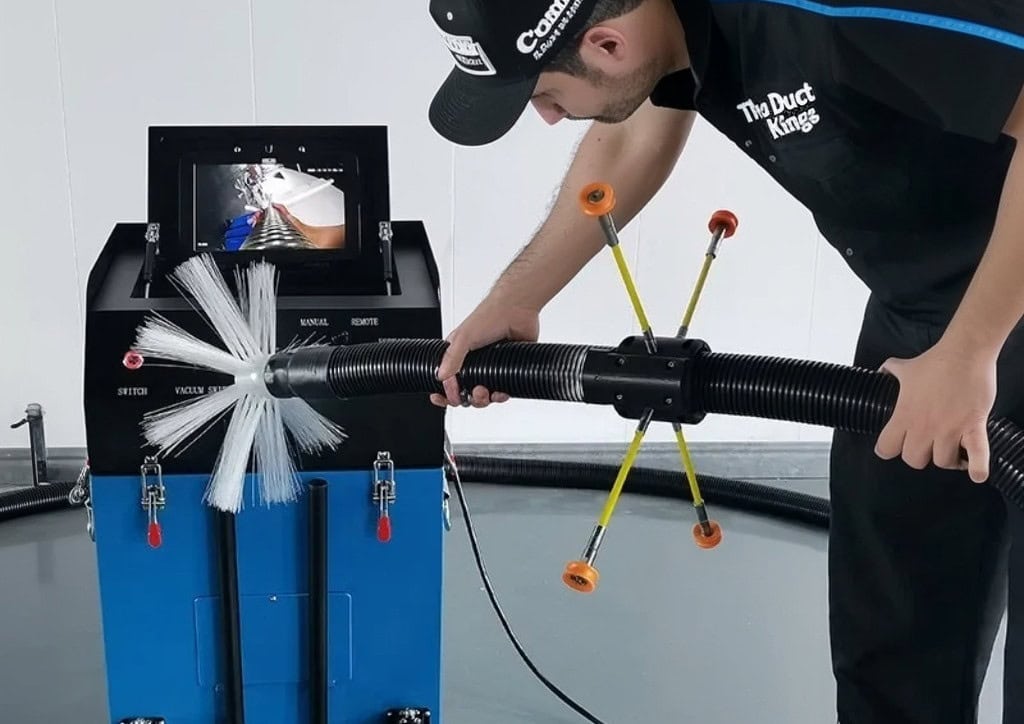
Innovations and Future Outlook for Sustainable Rotary Brush Technology
As demand for sustainable cleaning solutions grows, manufacturers are investing in new materials and designs to further enhance the eco-friendliness of rotary brush systems. Innovations include biodegradable brush fibers, modular components for easy repair, and energy-efficient motor systems. These advancements are making it easier for organizations to meet their sustainability goals without sacrificing cleaning performance.
To stay informed about the latest developments, resources like rotary brush definitions and industry updates provide valuable background and context for both professionals and consumers.
Key Takeaways: Why Choose Rotary Brushes for Sustainability?
- Eco-Friendly Cleaning: Reduces reliance on chemicals and disposables.
- Cost-Effective: Saves money through energy efficiency and durable, reusable components.
- Healthier Spaces: Improves indoor air quality by thoroughly removing contaminants.
- Waste Reduction: Minimizes landfill contributions through long-lasting equipment.
- Continuous Innovation: Ongoing improvements in materials and design support even greater sustainability.
By choosing rotary brush systems, businesses and homeowners can align their cleaning practices with environmental and economic priorities, supporting a healthier planet and more efficient operations.
Frequently Asked Questions
Are rotary brush systems more sustainable than traditional cleaning methods?
Yes, rotary brush systems are generally more sustainable because they reduce or eliminate the need for chemical cleaners, minimize water usage, and use durable, reusable components. This approach leads to less waste and a lower environmental impact compared to many traditional methods.
How often should rotary brushes be replaced to maintain sustainability?
With proper care and maintenance, high-quality rotary brushes can last for many cleaning cycles—sometimes hundreds—before needing replacement. Regular inspection and cleaning of the brush heads will help maximize their lifespan and maintain sustainable practices.
Can rotary brush cleaning improve indoor air quality?
Absolutely. Rotary brush cleaning effectively removes dust, allergens, and other contaminants from ducts and vents, which can significantly improve indoor air quality. This is especially important for households with allergy sufferers or businesses aiming to provide a healthier environment for employees and customers.