Rotary brush polishing systems have become essential tools in a variety of industries, offering efficient and consistent cleaning, polishing, and finishing for surfaces ranging from ductwork to metal fabrication. These systems use a rotating brush mechanism to remove debris, polish surfaces, and ensure a high-quality finish with minimal manual effort. Their versatility and effectiveness make them a preferred choice for professionals seeking reliable surface treatment solutions.
Whether used for HVAC maintenance, industrial production lines, or specialized cleaning tasks, these systems deliver uniform results and help maintain high standards of cleanliness and appearance. In this guide, we’ll explore how these systems work, their key benefits, and what to consider when choosing the right solution for your needs.
For those working in production environments, understanding the full range of available options is crucial. You can learn more about rotary brush solutions for production environments and how they are tailored for industrial applications.
How Rotary Brush Polishing Systems Work
At the core of these systems is a motor-driven shaft that spins a cylindrical or disc-shaped brush at high speed. The brush, typically made from synthetic or natural bristles, is designed to make direct contact with the surface being cleaned or polished. As the brush rotates, it agitates and lifts away dirt, dust, oxidation, or other contaminants, leaving the surface smooth and clean.
The effectiveness of a rotary brush system depends on several factors:
- Brush Material: Different bristle types (nylon, steel, polypropylene) are chosen based on the surface and application.
- Rotation Speed: Adjustable speeds allow for gentle cleaning or aggressive polishing as needed.
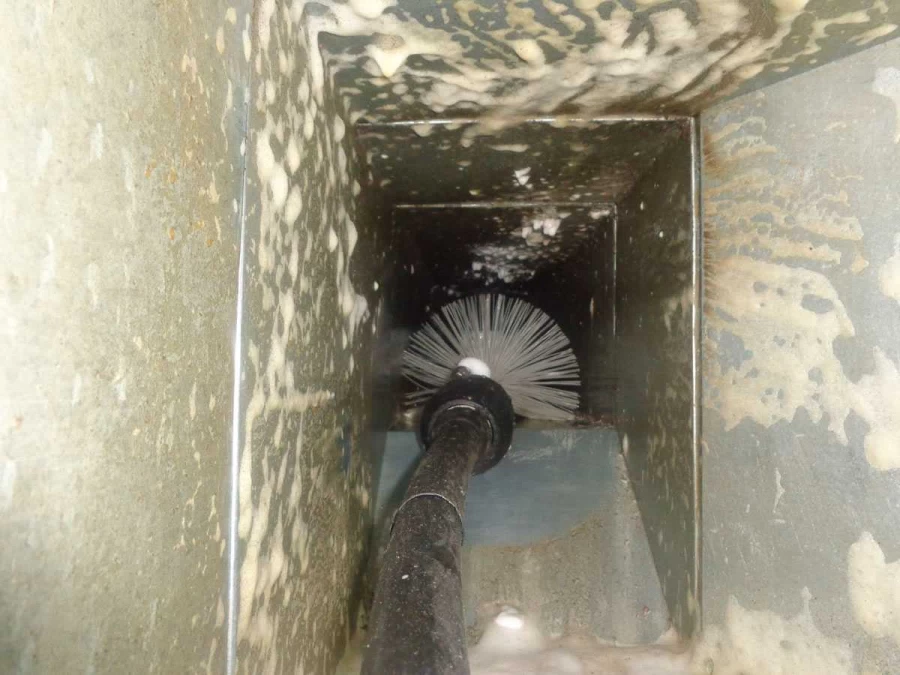
- Brush Size and Shape: Cylindrical brushes are ideal for ducts and pipes, while disc brushes suit flat surfaces.
- Pressure and Angle: Proper alignment ensures even results and prevents surface damage.
Key Benefits of Using Rotary Brush Polishing Equipment
Adopting a rotary brush polishing system in your workflow offers several advantages:
- Consistent Results: The automated action delivers uniform cleaning and polishing, reducing human error.
- Time Efficiency: Large areas can be covered quickly, making these systems ideal for commercial and industrial settings.
- Versatility: Suitable for a wide range of materials, including metal, plastic, glass, and ductwork.
- Reduced Labor: Operators spend less time and effort compared to manual scrubbing or polishing.
- Improved Safety: Minimizes exposure to dust and contaminants, especially in HVAC and duct cleaning applications.
For industries where strict standards are required, following a rotary brush cleaning quality standards guide can help ensure compliance and optimal performance.

Applications Across Industries
Rotary brush technology is widely used in several sectors, including:
- HVAC and Air Duct Cleaning: Removes dust, lint, and debris from ductwork, improving air quality and system efficiency.
- Metalworking: Deburrs, polishes, and finishes metal parts for manufacturing and fabrication.
- Food Processing: Cleans conveyor belts and equipment, maintaining hygiene standards.
- Automotive: Used for detailing, wheel cleaning, and surface preparation.
- Construction: Prepares surfaces for painting or coating by removing old finishes and contaminants.
For those interested in the latest innovations, exploring rotary brush system future trends can provide insights into upcoming advancements and technologies.
Choosing the Right Rotary Brush System
Selecting the best system for your needs involves evaluating several criteria:
- Surface Type: Consider the material and shape of the surfaces you’ll be working on.
- Brush Compatibility: Ensure the system supports interchangeable brushes for different tasks.
- Motor Power: More powerful motors handle tougher jobs and larger areas.
- Ease of Use: Look for ergonomic designs and straightforward controls.
- Maintenance Requirements: Systems with easy-to-clean components and accessible parts reduce downtime.
If you’re unsure about which motor to select, the rotary brush motor selection guide offers detailed advice for buyers.
Maintenance and Best Practices
To get the most from your rotary brush cleaning system, regular maintenance is essential. Here are some best practices:
- Inspect Brushes Frequently: Replace worn or damaged bristles to maintain cleaning efficiency.
- Clean Components After Use: Remove debris and wash brushes to prevent buildup and cross-contamination.
- Lubricate Moving Parts: Keep the motor and shaft well-lubricated for smooth operation.
- Store Properly: Keep equipment in a dry, dust-free environment to extend its lifespan.
- Follow Manufacturer Guidelines: Always refer to the user manual for specific care instructions.
Some systems offer hybrid features, combining mechanical and suction cleaning. For more on these, see the rotary brush hybrid cleaning systems overview.
Comparing Rotary Brush Systems to Other Methods
While manual scrubbing and chemical cleaning have their place, rotary brush systems offer several distinct advantages:
- Efficiency: Mechanized brushing covers more area in less time.
- Reduced Chemical Use: Many applications require little or no harsh chemicals, making them eco-friendly.
- Lower Labor Costs: Automation reduces the need for intensive manual labor.
- Consistent Quality: Automated systems deliver repeatable, high-quality results.
For a deeper technical dive, rotating brush technology resources provide additional information on brush types and industrial uses.
FAQ
What surfaces can rotary brush systems clean or polish?
These systems are designed for a wide range of surfaces, including metal, plastic, glass, wood, and duct interiors. The choice of brush material and system configuration allows for safe and effective cleaning or polishing of both delicate and robust surfaces.
How do I choose the right brush for my application?
Consider the type of material you’re working with, the level of abrasion required, and the desired finish. Softer bristles are best for delicate surfaces, while stiffer brushes suit tougher cleaning jobs. Many systems offer interchangeable brushes for added flexibility.
Are rotary brush polishing systems safe to use?
When operated according to manufacturer instructions, these systems are safe and reliable. Always wear appropriate personal protective equipment and ensure the system is properly maintained to minimize risks.