Rotary brush material handling systems are a cornerstone in industries where efficient cleaning, dust removal, and debris management are critical. These systems, which utilize rotating brushes to move, clean, or separate materials, are widely used in HVAC duct cleaning, food processing, manufacturing, and more. Their versatility and effectiveness make them a preferred choice for businesses seeking to maintain high standards of hygiene and operational efficiency.
Understanding how these solutions work, what equipment is available, and the benefits they offer can help facility managers, technicians, and business owners make informed decisions. This article explores the essential aspects of rotary brush-based handling equipment, including their applications, features, and how to select the right system for your needs.

For those interested in the latest innovations, rotary brush cleaning technology trends provide valuable insights into advancements shaping the industry.
How Rotary Brush-Based Handling Solutions Work
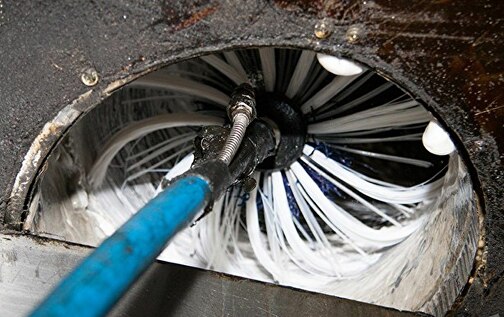
At the core of these systems is a motor-driven brush that rotates at controlled speeds. The bristles, made from synthetic or natural fibers, are designed to agitate, loosen, and move particles or debris from surfaces or through ducts and conveyors. The rotary brush material handling systems can be configured for various tasks, including:
- Cleaning HVAC ducts and dryer vents
- Removing dust and residue from conveyor belts
- Separating materials in food and agricultural processing
- Surface preparation in manufacturing lines
The brush’s rotation, combined with suction or airflow, ensures thorough removal of unwanted material. This mechanism is especially effective in environments where manual cleaning is impractical or where consistent results are required.
Key Components and Equipment Types
A typical rotary brush-based system consists of several main components:
- Rotary Brush Head: The main cleaning or handling element, available in various diameters and bristle types to suit different applications.
- Drive Motor: Powers the rotation of the brush, often with variable speed controls for different material types.
- Flexible Shafts or Rods: Allow the brush to navigate bends and turns, especially important in duct or pipe cleaning.
- Collection System: Integrated vacuums or dust collectors capture debris dislodged by the brush.
- Control Unit: Manages speed, direction, and operational settings for optimal performance.
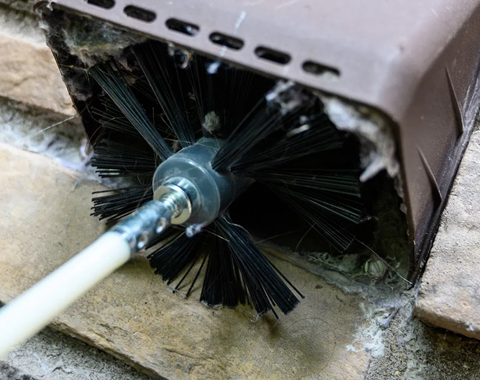
Specialized equipment, such as the LintEater system or flexible rotary brush kits, are designed for specific tasks like dryer vent cleaning or HVAC duct maintenance. These kits often include extension rods, adapters, and multiple brush heads for versatility.
Applications in Industry and Facility Maintenance
Rotary brush-based material handling equipment is found in a wide range of industries. Some of the most common applications include:
- HVAC and Ventilation: Maintaining clean air ducts and vents is essential for indoor air quality and system efficiency. Rotary brushes can navigate complex ductwork, removing dust, mold, and debris.
- Manufacturing: Conveyor belts and production lines often accumulate residue that can affect product quality. Automated brush systems keep surfaces clean and reduce downtime.
- Food Processing: Hygiene is paramount in food production. Rotary brushes are used to clean equipment, separate grains, or remove husks and shells.
- Agriculture: These systems help in cleaning and sorting produce, as well as maintaining equipment used in harvesting and processing.
For a deeper dive into how these solutions are tailored for production environments, see rotary brush solutions for production environments.
Benefits of Rotary Brush-Based Material Handling
There are several reasons why businesses choose rotary brush systems for their material handling and cleaning needs:
- Efficiency: Automated cleaning reduces manual labor and speeds up maintenance tasks.
- Consistency: Uniform brush action ensures even cleaning or material movement, reducing the risk of missed spots.
- Versatility: With interchangeable heads and adjustable speeds, these systems adapt to various materials and surfaces.
- Cost Savings: Reduced downtime and labor costs translate to long-term savings.
- Enhanced Safety: Cleaner equipment and workspaces minimize fire hazards and improve air quality.
Regular use of these systems can also extend the lifespan of equipment, as accumulated debris and dust are leading causes of mechanical wear and inefficiency.
Choosing the Right Rotary Brush System
Selecting the appropriate equipment depends on several factors:
- Application: Identify whether the system is needed for duct cleaning, conveyor maintenance, or material separation.
- Brush Type: Choose bristle material and diameter based on the surfaces and debris involved.
- System Compatibility: Ensure the brush and drive unit fit your existing equipment or ductwork dimensions.
- Ease of Use: Look for systems with ergonomic handles, flexible shafts, and simple controls.
- Maintenance: Opt for designs that allow easy brush replacement and cleaning.
Consulting with suppliers and reviewing product specifications can help match the right system to your operational needs. For expert advice, resources like rotary brush system expert tips offer practical guidance.
Maintenance and Best Practices
To maximize the lifespan and effectiveness of your rotary brush equipment, follow these maintenance tips:
- Inspect brushes regularly for wear or damage and replace as needed.
- Clean bristles after each use to prevent buildup and maintain performance.
- Lubricate moving parts according to manufacturer recommendations.
- Store equipment in a dry, clean area to avoid corrosion or contamination.
- Train staff on proper operation and safety protocols.
For step-by-step cleaning procedures, this detailed guide to cleaning a rotary dryer provides helpful instructions relevant to many rotary brush applications.
Quality Standards and Future Developments
Adhering to industry standards ensures that rotary brush-based handling solutions deliver reliable results. Standards cover aspects such as bristle material safety, system durability, and cleaning effectiveness. For a comprehensive overview, refer to the rotary brush cleaning quality standards guide.
The future of these systems is shaped by innovations in automation, smart controls, and advanced materials. To stay ahead, explore resources on rotary brush system future trends and emerging technologies.
Frequently Asked Questions
What industries benefit most from rotary brush-based material handling?
Industries such as HVAC, manufacturing, food processing, and agriculture see the greatest benefits. These sectors require regular cleaning and material movement, making rotary brush systems an efficient and reliable solution.
How often should rotary brush equipment be maintained?
Routine maintenance should be performed after each use. Regular inspections, cleaning, and timely replacement of worn brushes help maintain optimal performance and extend equipment life.
Are rotary brush systems safe for all types of ductwork and surfaces?
Most systems are designed to be safe for a variety of surfaces, but it’s important to select the right brush type and size for your specific application. Always follow manufacturer guidelines to avoid damaging delicate materials.