Rotary brush industrial cleaning solutions have become a cornerstone for maintaining cleanliness and efficiency in a wide range of industries. These systems utilize rotating brushes to dislodge, sweep, and remove debris, dust, and contaminants from surfaces and equipment. From HVAC ductwork to manufacturing lines and food processing plants, rotary brush technology offers a practical and effective way to tackle challenging cleaning tasks. In this guide, we’ll explore the types, benefits, and best practices for using these tools, helping you make informed decisions for your facility’s maintenance needs.
Whether you’re considering a new cleaning system or looking to optimize your current setup, understanding the capabilities and applications of rotary brush equipment is essential. For those interested in advanced configurations, rotary brush hybrid cleaning systems offer a blend of mechanical and vacuum technologies for even greater results.
Understanding Rotary Brush Cleaning Technology
Rotary brush systems rely on a motor-driven shaft that spins a brush head at high speed. The bristles, made from materials like nylon, polypropylene, or steel, scrub surfaces to loosen dirt, dust, and residues. This mechanical action is highly effective for cleaning both smooth and textured surfaces, making it suitable for ducts, conveyors, industrial equipment, and more.
One of the main advantages of these solutions is their versatility. Brushes can be swapped out to match the specific material or contaminant being cleaned, and the system can be adapted for wet or dry cleaning as needed. For example, food processing facilities may use softer, food-grade brushes, while heavy industry might require abrasive options for removing scale or corrosion.
Key Benefits of Rotary Brush Industrial Cleaning Solutions
Adopting rotary brush cleaning methods brings several important benefits to industrial environments:
- Thorough Cleaning: The rotating action reaches into crevices and irregular surfaces that manual cleaning often misses.
- Efficiency: Automated brush systems can clean large areas quickly, reducing downtime and labor costs.
- Adaptability: With interchangeable brushes and adjustable speeds, these systems can be tailored to a wide variety of applications.
- Improved Safety: Removing dust, debris, and contaminants helps prevent equipment malfunctions and health hazards.
- Longevity: Regular cleaning with rotary brushes extends the lifespan of machinery and infrastructure by preventing buildup and corrosion.
For more on maximizing the lifespan of your cleaning equipment, see this detailed rotary brush lifespan optimization guide.
Common Applications in Industry
Rotary brush cleaning systems are used across a diverse range of sectors. Some of the most common applications include:
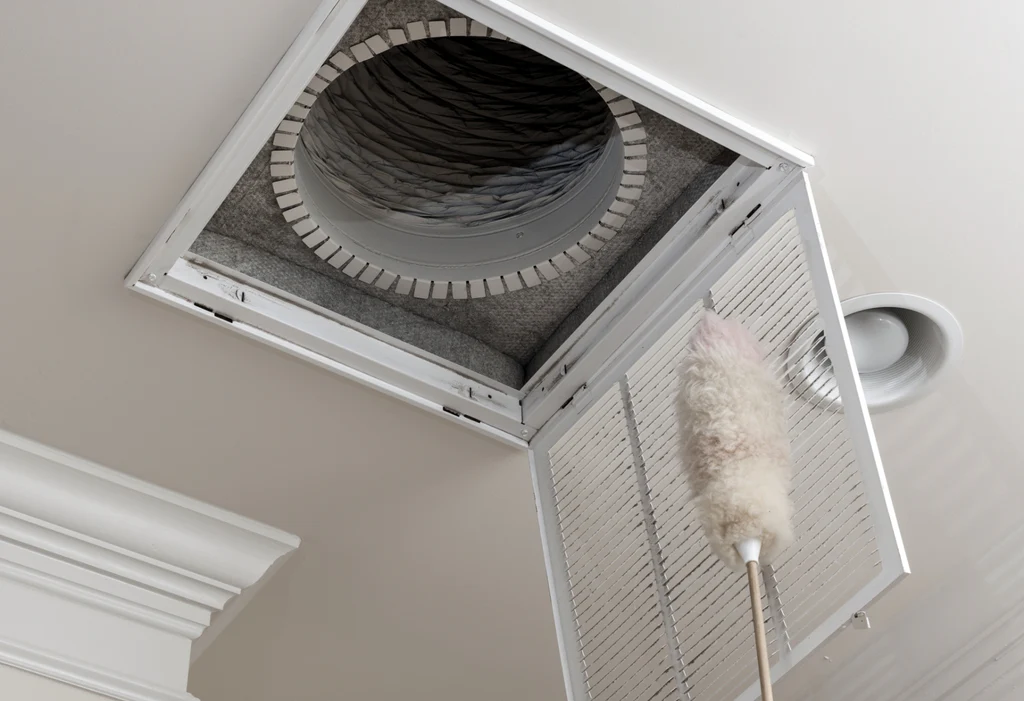
- HVAC Duct Cleaning: Removing dust, mold, and debris from air ducts to improve air quality and system efficiency.
- Conveyor Belt Maintenance: Keeping belts free of residue and buildup to ensure smooth operation in manufacturing plants.
- Surface Preparation: Prepping metal, wood, or plastic surfaces for painting, coating, or further processing.
- Food Processing: Cleaning conveyors, mixers, and other equipment to meet strict hygiene standards.
- Pipe and Tube Cleaning: Removing scale, rust, and deposits from inside pipes in power plants, refineries, and water treatment facilities.
Types of Rotary Brush Cleaning Tools
There are several categories of rotary brush tools, each designed for specific tasks and environments. Understanding the differences will help you select the right solution for your needs.
Handheld Rotary Brushes
These compact devices are ideal for spot cleaning and maintenance in tight spaces. They’re often used for cleaning small ducts, vents, or machinery parts. Handheld units typically attach to a standard drill or come with their own motorized handle.
Automated Rotary Brush Systems
Larger, automated systems are designed for continuous cleaning in industrial settings. These can be mounted on production lines, inside ductwork, or integrated into automated cleaning stations. They often feature programmable controls and safety features for consistent, hands-off operation.
Specialized Attachments and Accessories
A wide variety of brush heads, extension rods, and adapters are available to customize your cleaning setup. For example, soft-bristled heads can be used for delicate surfaces, while abrasive brushes tackle tough grime or rust. Some systems also integrate vacuum or water jets for enhanced cleaning power.
If you’re comparing motor options for your system, the rotary brush motor selection guide provides insights into choosing the right power source for your application.
How to Choose the Right Rotary Brush Solution
Selecting the best rotary brush cleaning system depends on several factors:
- Surface Material: Match the brush bristle type and stiffness to the surface being cleaned to avoid damage.
- Contaminant Type: Consider the nature of the debris—dust, grease, scale, or biological matter—to select the most effective brush and cleaning method.
- Accessibility: Evaluate whether the area is easily reachable or requires flexible shafts and extension rods.
- Frequency of Cleaning: For regular maintenance, automated or semi-automated systems may offer better efficiency.
- Industry Standards: Ensure your cleaning process meets any relevant health, safety, or quality regulations.
For polishing applications, such as preparing metal surfaces, specialized systems are available. Learn more about these options in the rotary brush system for polishing metal overview.

Best Practices for Using Rotary Brush Cleaning Equipment
To get the most out of your rotary brush cleaning tools, follow these practical tips:
- Regular Inspection: Check brushes for wear and replace them as needed to maintain cleaning effectiveness.
- Proper Setup: Ensure the brush is securely attached and the system is set to the correct speed for the application.
- Safety Precautions: Always follow manufacturer guidelines and use appropriate personal protective equipment (PPE).
- Routine Maintenance: Clean and lubricate moving parts to extend the life of your system.
- Documentation: Keep records of cleaning schedules and maintenance to comply with industry regulations.
For a deeper understanding of how these systems evolve over time and how to plan for upgrades, see the rotary brush system lifecycle resource.
Choosing Quality and Reliability
When investing in rotary brush cleaning equipment, it’s important to select products from reputable manufacturers. Quality construction ensures durability and consistent performance. For an in-depth look at the different types of rotating brushes and their industrial uses, visit this comprehensive guide to rotating brushes.
Look for systems that offer easy maintenance, readily available replacement parts, and strong customer support. Reading product reviews and seeking recommendations from industry peers can also help you make a confident choice.
FAQ: Rotary Brush Cleaning Systems
What industries benefit most from rotary brush cleaning solutions?
These cleaning systems are widely used in HVAC, manufacturing, food processing, automotive, and energy sectors. Their adaptability makes them suitable for any environment where thorough, efficient cleaning is required.
How often should rotary brush cleaning be performed?
The frequency depends on the specific application and the amount of debris generated. For HVAC ducts, annual or semi-annual cleaning is common, while production lines may require daily or weekly maintenance. Always follow manufacturer and industry guidelines.
Are rotary brush systems safe for all surfaces?
Most surfaces can be cleaned safely with the right brush type and settings. However, delicate or coated surfaces may require soft bristles and lower speeds to prevent damage. Always test on a small area first and consult equipment manuals.
Can rotary brush tools be used with cleaning chemicals?
Yes, many systems are compatible with water or approved cleaning agents. Be sure to use chemicals that are safe for both the brush material and the surface being cleaned.
What maintenance do rotary brush systems require?
Routine maintenance includes inspecting and replacing worn brushes, cleaning the equipment after use, lubricating moving parts, and checking for loose connections or damage.
Rotary brush industrial cleaning solutions offer a practical, efficient, and adaptable approach to maintaining cleanliness and operational efficiency in industrial environments. By selecting the right system, following best practices, and keeping up with maintenance, you can ensure long-term performance and a safer, cleaner workplace.