Modern agriculture relies on efficiency and cleanliness to maintain healthy crops, livestock, and equipment. Rotary brush agricultural cleaning systems have become essential tools for farmers and agribusinesses seeking to streamline their cleaning processes. These systems use rotating bristles to dislodge dirt, debris, and contaminants from a wide range of surfaces, including ducts, machinery, and storage areas. Their adaptability and power make them invaluable for maintaining hygiene and operational performance across agricultural environments.
This guide explores how rotary brush solutions work, their key benefits, and practical considerations for selection, operation, and maintenance. Whether you manage a large-scale farm or a smaller agricultural business, understanding these cleaning systems can help you protect your assets and optimize productivity. For those interested in maximizing efficiency, you can also review insights on rotary brush system performance to further enhance your cleaning operations.
Understanding Rotary Brush-Based Cleaning in Agriculture
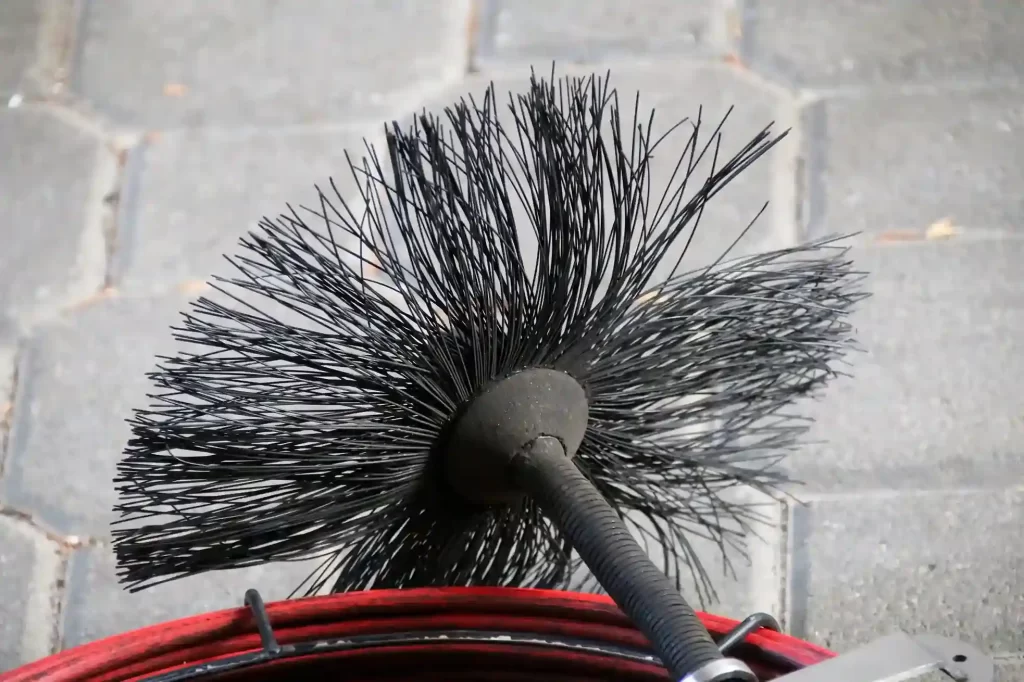
Rotary brush cleaning systems are engineered to tackle the unique challenges of agricultural environments. These systems typically consist of a motorized unit, flexible rods, and interchangeable brush heads designed to reach and clean hard-to-access areas. The rotating action of the bristles effectively removes dust, crop residue, animal dander, and other debris from surfaces such as ventilation ducts, grain bins, machinery, and even animal enclosures.
By integrating these systems into routine maintenance, farms can reduce the risk of contamination, improve air quality, and extend the lifespan of critical equipment. Their versatility also means they can be adapted for use in greenhouses, poultry houses, and dairy barns, making them a smart investment for diverse agricultural operations.
Key Benefits of Rotary Brush Agricultural Cleaning Systems
Adopting rotary brush agricultural cleaning systems offers several advantages:
- Thorough Cleaning: The rotating motion ensures deep removal of stubborn debris and buildup, especially in ducts and tight spaces.
- Time Efficiency: These systems can significantly reduce manual labor and cleaning time, freeing up resources for other essential tasks.
- Equipment Longevity: Regular cleaning prevents the accumulation of materials that can cause wear, corrosion, or blockages in machinery and ventilation systems.
- Improved Hygiene: Cleaner environments help reduce the spread of disease among crops and livestock, supporting overall farm health.
- Versatility: With a range of brush sizes and attachments, these systems can be customized for various cleaning jobs throughout the farm.
For those interested in the technical side, exploring rotary brush system design can provide a deeper understanding of how engineering excellence contributes to cleaning performance.

Choosing the Right Rotary Brush Cleaning Solution
Selecting the best rotary brush system for your agricultural needs depends on several factors:
- Application Area: Identify where the system will be used—ventilation ducts, equipment, animal housing, or storage bins. This determines the required brush size and flexibility.
- Power Source: Options include electric, battery-powered, or pneumatic systems. Choose based on your farm’s infrastructure and mobility needs.
- Brush Material: Nylon and polypropylene are common for general cleaning, while steel bristles may be necessary for tougher residues.
- Rod Length and Flexibility: Longer, flexible rods are ideal for reaching deep or curved ducts and pipes.
- Ease of Maintenance: Look for systems with easily replaceable brushes and straightforward assembly/disassembly.
For a step-by-step approach to getting started, the rotary brush system installation resource provides practical guidance on setup and initial use.
Operation and Maintenance Best Practices
To ensure optimal performance and longevity from your rotary brush cleaning equipment, follow these best practices:
- Routine Inspection: Check brushes, rods, and connections for wear or damage before each use.
- Proper Assembly: Securely attach brushes and rods according to manufacturer instructions to prevent malfunctions.
- Controlled Operation: Operate the system at recommended speeds and avoid forcing brushes through obstructions.
- Regular Cleaning: Clean the brushes and rods after each session to prevent cross-contamination and buildup.
- Replacement Schedule: Replace worn or damaged brushes promptly to maintain cleaning effectiveness.
For more detailed troubleshooting tips, refer to rotary brush system troubleshooting for solutions to common issues encountered during operation.
Maximizing Efficiency and Safety
To get the most out of your cleaning equipment, it’s important to focus on both efficiency and safety. Always follow the manufacturer’s safety guidelines, including wearing appropriate personal protective equipment (PPE) such as gloves, goggles, and dust masks. Keep the work area clear of bystanders and livestock during operation.
Integrating these systems into a regular cleaning schedule can help prevent costly breakdowns and maintain compliance with agricultural hygiene standards. For additional strategies to boost productivity, see tips on rotary brush system efficiency.
If you’re interested in maintaining your brush equipment for the long haul, the comprehensive brush cutter maintenance guide offers expert advice on keeping your tools in top condition.
Frequently Asked Questions
What types of debris can rotary brush cleaning systems remove in agriculture?
These systems are effective at removing dust, crop residue, animal hair, feed particles, and other organic and inorganic debris commonly found in agricultural settings. With the right brush attachment, they can tackle both light and heavy buildup.
How often should rotary brush equipment be used for cleaning?
Frequency depends on the specific application and environment. For ventilation ducts and machinery, a monthly or quarterly schedule is typical. High-traffic areas or those prone to rapid buildup may require more frequent cleaning.
Are rotary brush systems safe for all types of agricultural equipment?
Most rotary brush systems are designed to be gentle on surfaces when used correctly. However, always check compatibility with your equipment and follow manufacturer recommendations to avoid damage, especially with delicate or coated surfaces.
Conclusion
Rotary brush-based cleaning solutions have transformed the way agricultural businesses maintain cleanliness and operational efficiency. By choosing the right system, following best practices, and integrating regular maintenance, farms can enjoy improved hygiene, longer equipment life, and safer working conditions. For those looking to upgrade their cleaning processes, investing in a quality rotary brush solution is a practical step toward a more productive and sustainable agricultural operation.