Maintaining strict hygiene standards in food processing environments is essential for both product quality and regulatory compliance. One of the most effective methods for removing contaminants from ducts, conveyors, and machinery is rotary brush cleaning for food plants. This approach uses specialized rotating brushes to dislodge debris, dust, and residues, helping facilities meet safety requirements and minimize the risk of contamination.
Understanding how rotary brush systems work, their advantages, and best practices for implementation can make a significant difference in operational efficiency and food safety. For those interested in a broader overview of cleaning solutions, the rotary brush agricultural cleaning systems guide provides additional context on system options and applications.

How Rotary Brush Systems Work in Food Processing Facilities
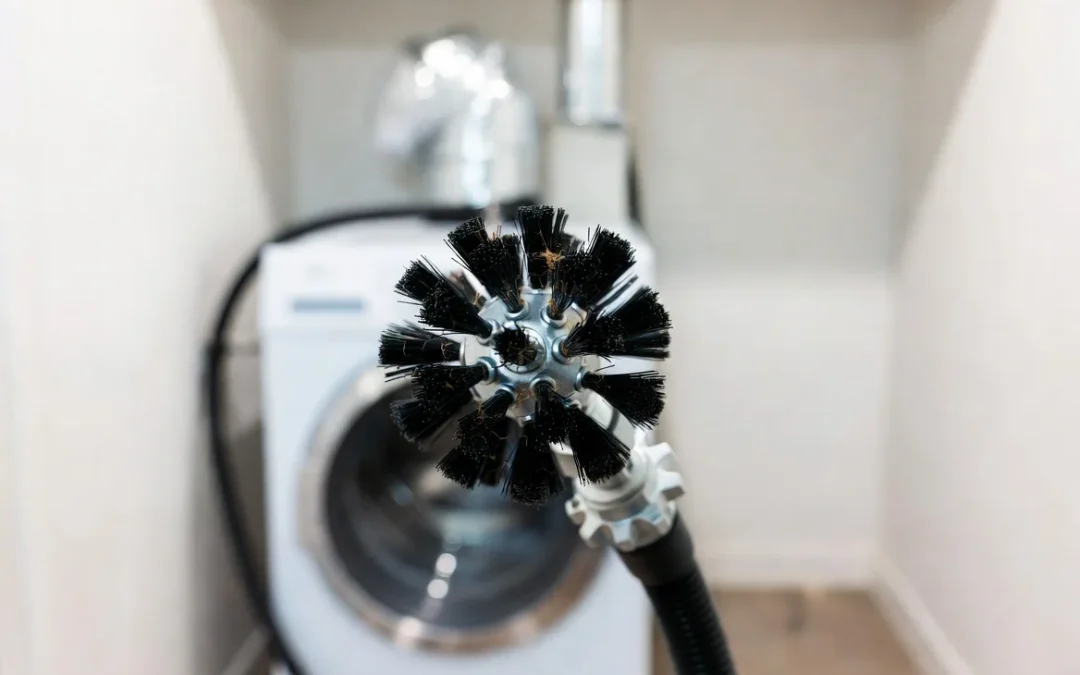
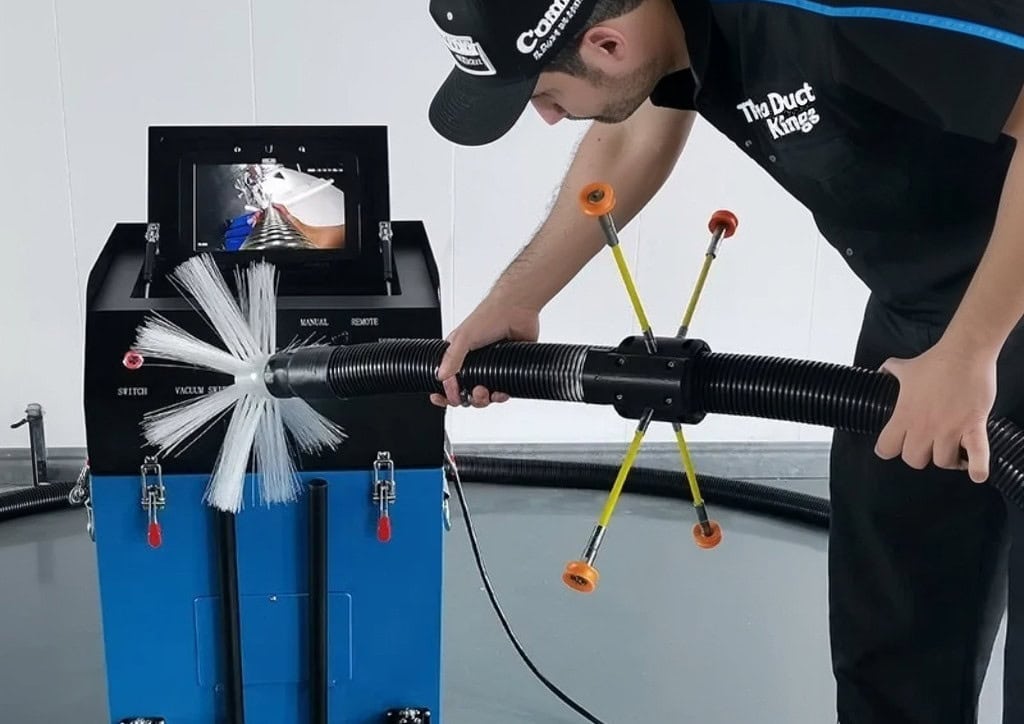
Rotary brush cleaning systems are designed to tackle the unique sanitation challenges found in food plants. These systems use motor-driven or pneumatic rotary brushes that spin at controlled speeds, effectively scrubbing surfaces inside ducts, pipes, and equipment. The bristles are engineered to reach into crevices and corners, ensuring a thorough cleaning that manual methods often miss.
Depending on the application, brushes can be made from various materials such as nylon, polypropylene, or stainless steel. The choice of brush material and size depends on the type of residue being removed and the surfaces being cleaned. For example, softer brushes are used for delicate surfaces, while stiffer bristles are ideal for removing baked-on residues from metal ducts.
Many modern rotary brush systems are paired with vacuum extraction or air jets to capture loosened debris immediately, preventing recontamination of the cleaned area. This combination is especially important in food plants, where airborne particles can quickly settle on products or surfaces.
For a deeper dive into system engineering, the rotary brush system design resource explores how these cleaning tools are tailored for specific plant layouts and requirements.
Benefits of Rotary Brush Cleaning for Food Plant Safety
Implementing rotary brush cleaning offers several advantages for food processing operations:
- Enhanced Hygiene: Rotary brushes remove stubborn residues, biofilms, and allergens that can harbor bacteria or cause cross-contamination.
- Regulatory Compliance: Regular use helps meet FDA, USDA, and local health department standards for cleanliness and sanitation.
- Reduced Downtime: Automated or semi-automated systems clean more efficiently than manual scrubbing, minimizing production interruptions.
- Extended Equipment Life: By preventing buildup, rotary brush cleaning reduces wear and tear on machinery and ductwork.
- Improved Air Quality: Removing dust and particulates from ventilation systems supports a safer working environment for staff.
These benefits make rotary brush cleaning a preferred choice for many food manufacturers seeking to optimize both safety and operational efficiency.
Key Areas for Rotary Brush Cleaning in Food Plants
Food processing facilities have multiple zones where contamination risks are high and thorough cleaning is essential. Rotary brush systems are particularly effective in the following areas:
- Air Ducts and Ventilation: Accumulated dust, flour, and organic particles can compromise air quality and introduce allergens.
- Conveyor Belts: Brushes remove stuck-on food particles and residues, reducing the risk of cross-contact between batches.
- Pipes and Tubing: Rotary brushes can navigate bends and elbows, cleaning internal surfaces that are otherwise hard to reach.
- Mixers and Blenders: These machines often have complex geometries that benefit from the flexibility of rotary brush tools.
- Dryer Vents: In plants that use drying processes, regular cleaning prevents lint and dust buildup, which can be a fire hazard.
For more on cleaning standards and compliance, the rotary brush food processing systems article covers industry-specific guidelines and best practices.
Choosing the Right Rotary Brush System for Your Facility
Selecting the most suitable rotary brush cleaning system depends on several factors:
- Type of Contaminants: Identify whether you are dealing with powders, sticky residues, or oily films to choose the right bristle material and brush design.
- Surface Material: Stainless steel, plastic, and rubber surfaces may require different brush stiffness to avoid damage.
- System Compatibility: Ensure the brushes and drives fit your existing ducts, conveyors, or machinery dimensions.
- Automation Level: Decide between manual, semi-automated, or fully automated systems based on your cleaning schedule and labor availability.
- Ease of Maintenance: Look for systems that allow quick brush changes and easy cleaning of the brushes themselves.
For installation tips and troubleshooting, refer to the rotary brush system installation and rotary brush system troubleshooting guides, which provide step-by-step instructions and solutions for common issues.
Best Practices for Safe and Effective Rotary Brush Cleaning
To maximize the benefits of rotary brush cleaning in food plants, follow these best practices:
- Schedule Regular Cleaning: Establish a routine based on production volume, product type, and regulatory requirements.
- Train Staff Properly: Ensure operators understand how to use the equipment safely and recognize signs of wear or malfunction.
- Use Appropriate PPE: Personal protective equipment such as gloves, masks, and goggles should be worn to protect against dust and debris.
- Document Cleaning Procedures: Maintain records of cleaning schedules, methods used, and inspection results for audit purposes.
- Inspect Equipment Frequently: Regularly check brushes and drives for damage or excessive wear to maintain cleaning effectiveness.
Adhering to these guidelines helps ensure that cleaning is both thorough and compliant with food safety standards.
Understanding Rotary Brush Technology and Industry Standards
Rotary brush cleaning tools have evolved significantly, with innovations in brush materials, drive mechanisms, and automation. For those interested in the technical details, the rotary brush glossary provides a comprehensive overview of terms and concepts related to these systems.
Industry standards for food plant sanitation are continually updated to reflect new research and technology. Staying informed about these changes is essential for maintaining compliance and ensuring the safety of both workers and consumers.
Frequently Asked Questions
What makes rotary brush cleaning more effective than manual scrubbing in food plants?
Rotary brush systems provide consistent, high-speed scrubbing action that reaches areas manual cleaning often misses, such as inside ducts, pipes, and complex machinery. This thoroughness helps remove stubborn residues and biofilms, reducing contamination risks and improving overall plant hygiene.
How often should rotary brush cleaning be performed in a food processing facility?
The frequency depends on the type of products processed, production volume, and regulatory requirements. High-risk areas like air ducts and conveyor belts may require weekly or even daily cleaning, while other zones can be addressed less frequently. Always follow your facility’s HACCP plan and local guidelines.
Can rotary brush systems be used for all types of food processing equipment?
Most rotary brush systems are adaptable to a wide range of equipment, but it’s important to select the right brush material and size for each application. Some delicate or specialized machinery may require custom solutions or alternative cleaning methods to avoid damage.