Choosing the right brush density for rotary brush systems is essential for achieving optimal cleaning performance, minimizing wear on surfaces, and ensuring efficient operation. Whether you’re cleaning air ducts, dryer vents, or industrial equipment, understanding how brush density affects results can help you select the best tool for the job. This guide breaks down the key factors to consider, explains how density impacts cleaning, and offers practical tips for professionals and DIY users alike.
Brush density refers to the number of bristles packed into the rotary brush head. Higher density brushes contain more bristles per square inch, while lower density brushes have fewer. The right density depends on the type of debris, surface material, and the cleaning goals. By tailoring your choice, you can improve cleaning effectiveness and extend the lifespan of both your equipment and the surfaces being cleaned.

For a deeper understanding of how these systems operate over time, see the rotary brush system lifecycle article, which covers maintenance and replacement intervals.
Understanding Brush Density in Rotary Cleaning Systems
In rotary cleaning applications, brush density is a critical variable. It determines how aggressively the brush interacts with surfaces and debris. A denser brush provides more contact points, which can be beneficial for fine dust and light buildup, while a sparser brush may be better for heavy, stubborn debris that requires more penetration.
- High-density brushes are packed with bristles, offering gentle yet thorough coverage. They’re ideal for delicate surfaces or when you want to avoid scratching or damaging ductwork, painted surfaces, or sensitive machinery.
- Low-density brushes have fewer bristles, making them stiffer and more aggressive. They’re suited for breaking up caked-on debris, lint, or hardened contaminants, especially in industrial or heavily soiled environments.
Choosing the right density is not just about cleaning power—it’s also about protecting the surfaces and ensuring the longevity of your rotary brush equipment.
How Brush Density Impacts Cleaning Results
The density of your rotary brush directly affects cleaning efficiency and surface safety. Here’s how different densities perform in common scenarios:
| Brush Density | Best For | Potential Drawbacks |
|---|---|---|
| High | Fine dust, light debris, sensitive surfaces | May clog quickly with heavy debris, less aggressive |
| Medium | General-purpose cleaning, mixed debris | Can be a compromise—may not excel in extreme cases |
| Low | Heavy buildup, industrial grime, tough contaminants | Risk of surface abrasion, less effective on fine dust |
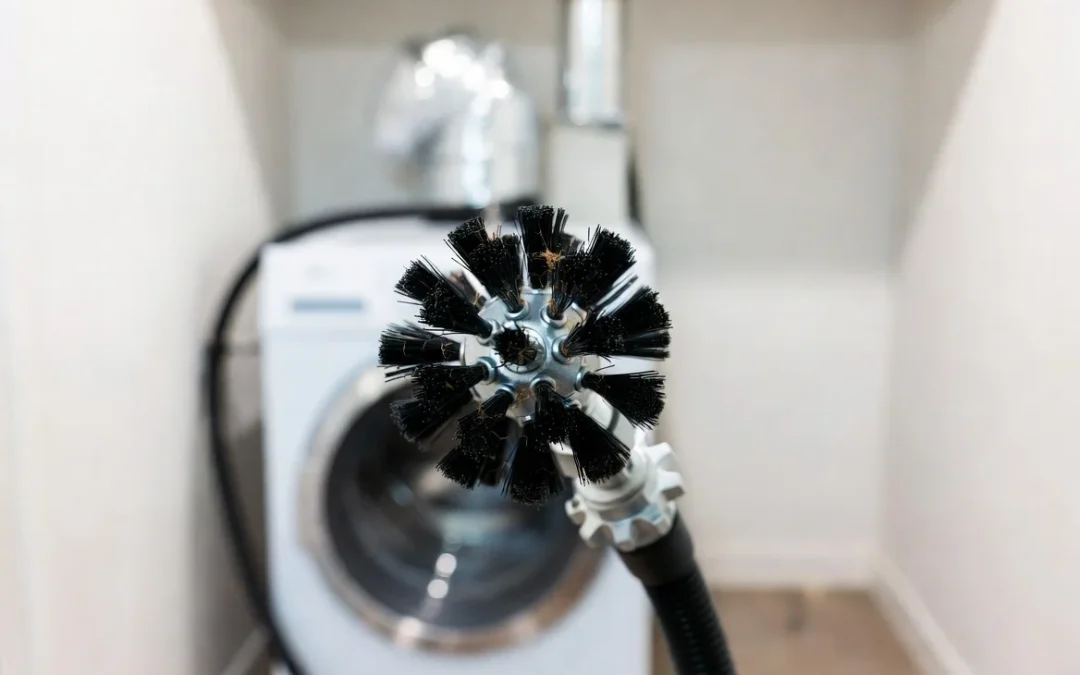
For example, when cleaning HVAC ducts, a medium to high-density brush is often preferred to avoid damaging the ductwork while still removing dust and allergens. In contrast, cleaning a dryer vent clogged with lint may require a lower density, stiffer brush to break up and remove compacted material.
Factors to Consider When Selecting Brush Density
Several factors influence the ideal brush density for your rotary cleaning project:
- Type of Debris: Fine dust and allergens respond well to high-density brushes, while heavy lint or caked-on grime may need a lower density, stiffer brush.
- Surface Material: Softer or painted surfaces benefit from gentler, denser brushes to prevent scratches. Harder surfaces can tolerate lower density, more aggressive brushes.
- Rotary System Power: High-powered rotary tools can handle denser brushes without stalling, while lower-powered systems may require sparser brushes to avoid overloading the motor.
- Frequency of Cleaning: Regular maintenance allows for higher density brushes, while infrequent, deep cleans may call for lower density to tackle buildup.
For specialized applications, such as food processing or agricultural cleaning, density requirements may differ. Learn more about these unique needs in the rotary brush food processing systems and rotary brush agricultural cleaning systems guides.
Matching Brush Density to Application
To get the best results, match the brush density to your specific cleaning task:
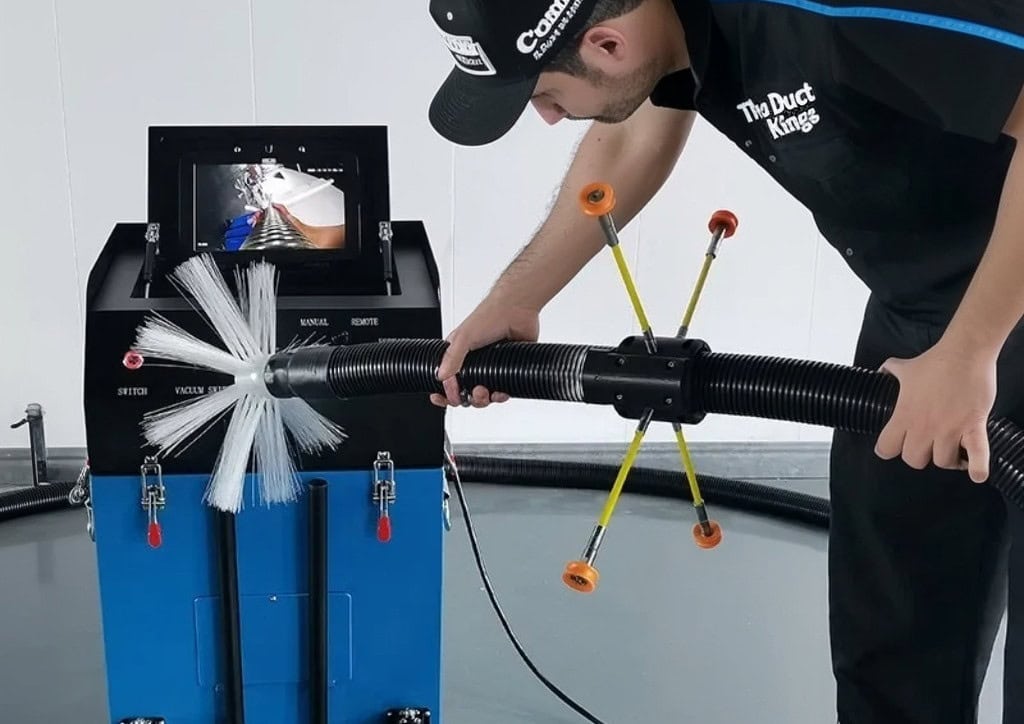
- Air Duct Cleaning: Use medium to high-density brushes for dust and light debris. This ensures thorough cleaning without damaging the duct lining.
- Dryer Vent Cleaning: Opt for a lower density, stiffer brush to break up and remove compacted lint efficiently.
- Industrial Equipment: Select density based on the type of buildup—grease and heavy deposits may need a sparser, more aggressive brush.
- Food Processing: High-density, food-safe brushes are preferred for gentle yet effective cleaning of sensitive surfaces.
Always consult your equipment’s manufacturer guidelines and test on a small area if unsure. For more troubleshooting tips, refer to the rotary brush system troubleshooting resource.
Expert Tips for Getting the Most from Rotary Brush Cleaning
Follow these best practices to maximize cleaning performance and prolong the life of your rotary brush system:
- Inspect Brushes Regularly: Replace worn or deformed brushes to maintain effective cleaning and avoid damaging surfaces.
- Adjust Speed and Pressure: Use the recommended RPM and apply gentle, steady pressure. Excessive force can cause premature wear or surface damage.
- Clean Brushes After Use: Remove debris from bristles to prevent cross-contamination and maintain brush density effectiveness.
- Store Properly: Keep brushes dry and protected from crushing to preserve their shape and density.
For a glossary of terms and more technical details, visit the rotary brush glossary for additional insights.
Common Mistakes to Avoid
Even experienced users can make errors when choosing or using rotary brushes. Here are some pitfalls to watch out for:
- Using the Wrong Density: Too dense a brush on heavy debris can clog quickly, while too sparse a brush on delicate surfaces can cause scratches.
- Ignoring Surface Compatibility: Always consider the material being cleaned to avoid unwanted damage.
- Overlooking Maintenance: Failing to clean or replace brushes reduces cleaning efficiency and can harm equipment.
By paying attention to these details, you’ll achieve better results and extend the life of your rotary cleaning tools.
FAQ
What is brush density and why does it matter in rotary cleaning?
Brush density refers to the number of bristles per area on a rotary brush head. It affects how aggressively the brush cleans and how well it protects the surface. The right density ensures effective debris removal without causing damage.
How do I choose the correct brush density for my application?
Consider the type of debris, the surface material, and your cleaning goals. Use denser brushes for fine dust and delicate surfaces, and sparser, stiffer brushes for heavy buildup or tough contaminants.
Can I use the same brush density for all cleaning jobs?
It’s best to match the brush density to each specific task. Using the wrong density can reduce cleaning effectiveness or risk damaging surfaces. Having a selection of brushes with different densities allows for optimal results across various applications.
How often should I replace my rotary brush?
Replace your rotary brush when the bristles become worn, deformed, or lose their original shape. Regular inspection and maintenance will help you determine when it’s time for a new brush.