Rotary brush dry cleaning systems have become a cornerstone in the maintenance of HVAC ducts, industrial equipment, and various commercial cleaning applications. These systems are designed to deliver thorough cleaning without the use of water or harsh chemicals, making them ideal for sensitive environments and facilities where moisture could cause damage or contamination. As industries and homeowners alike seek more effective and eco-friendly solutions, rotary brush technology stands out for its efficiency, adaptability, and proven results.
In this article, we’ll explore how these advanced cleaning systems work, their unique advantages, and practical considerations for choosing and using them. Whether you’re a facility manager, HVAC professional, or a homeowner interested in cleaner indoor air, understanding the benefits and operation of these systems can help you make informed decisions about your cleaning protocols.
For those interested in the latest developments and best practices, resources like rotary brush cleaning technology trends provide valuable insights into how this technology is evolving and where it’s headed.
How Rotary Brush Cleaning Works
At the core of these systems is a rotating brush, typically powered by an electric motor or a drill. The brush is inserted into ducts, pipes, or machinery, where its bristles dislodge dust, debris, and contaminants from surfaces. As the brush spins, it agitates and lifts particles, which are then removed by suction or collected for disposal. This method is especially effective for cleaning hard-to-reach areas and irregular surfaces, where manual cleaning would be difficult or incomplete.
Unlike traditional wet cleaning methods, rotary brush dry cleaning systems avoid introducing moisture, which can be crucial for preventing mold growth and corrosion in HVAC systems and other sensitive equipment. The dry process also reduces downtime, as there’s no need to wait for surfaces to dry before resuming normal operations.
Key Benefits of Rotary Brush Dry Cleaning Systems
There are several reasons why these systems are preferred in both residential and commercial settings:
- Efficiency: The rotating action of the brush ensures a deep, consistent clean in less time compared to manual scrubbing or vacuuming alone.
- Versatility: With a range of brush sizes and bristle types, these systems can be adapted for HVAC ducts, industrial machinery, conveyor belts, and more.
- Eco-Friendly: By eliminating the need for water and chemicals, rotary brush cleaning supports greener facility management and reduces environmental impact.
- Improved Air Quality: Regular use in air ducts helps remove allergens, dust, and microbial contaminants, supporting healthier indoor environments.
- Cost Savings: Preventative cleaning reduces the risk of breakdowns, extends equipment lifespan, and can lower energy costs by maintaining optimal system performance.
For a deeper dive into the technical aspects and industry standards, the rotary brush cleaning quality standards guide outlines best practices for achieving consistent and reliable results.
Applications Across Industries
The adaptability of rotary brush dry cleaning systems makes them suitable for a wide range of applications:
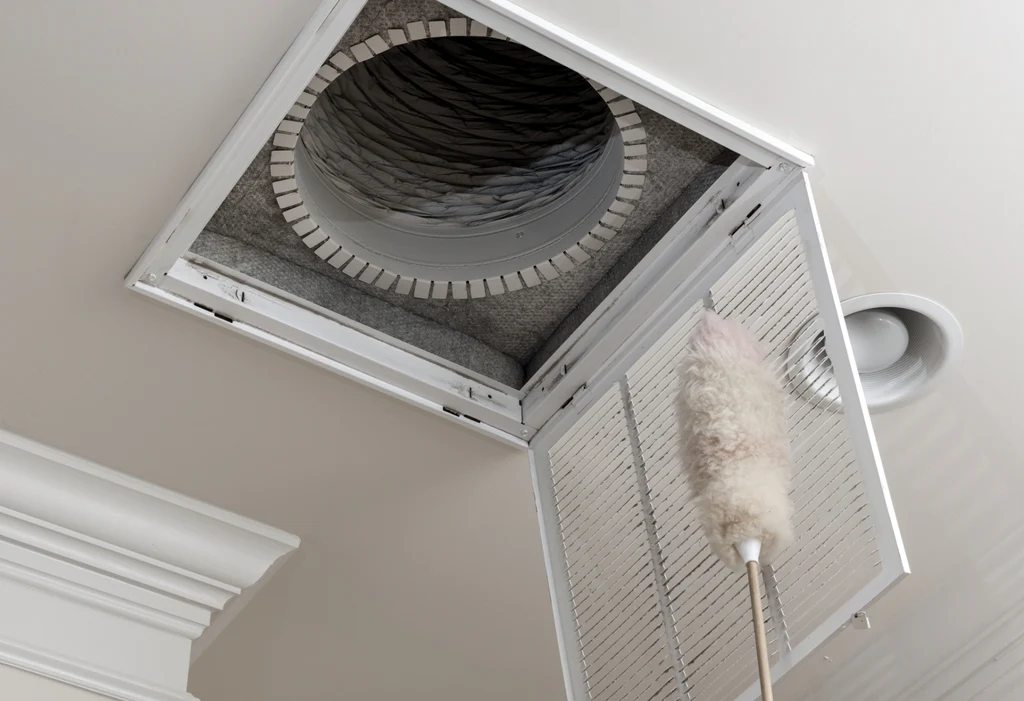
- HVAC Duct Cleaning: Removing accumulated dust, lint, and debris from air ducts to improve airflow and indoor air quality.
- Industrial Equipment Maintenance: Cleaning conveyor belts, production lines, and machinery where residue buildup can affect performance.
- Food Processing: Safely cleaning equipment without introducing moisture, which is critical for hygiene and product safety.
- Commercial Dryer Vents: Clearing lint and obstructions to reduce fire risk and improve dryer efficiency.
For those managing production environments, rotary brush solutions for production environments provide tailored approaches for complex or large-scale cleaning challenges.
Choosing the Right Rotary Brush System
Selecting the best system for your needs depends on several factors:
- Size and Type of Area: Consider the diameter and length of ducts or equipment to ensure the brush and extension rods are compatible.
- Bristle Material: Nylon bristles are common for general cleaning, while stiffer or softer materials may be needed for specific surfaces.
- Power Source: Some systems are designed for use with standard drills, while others have dedicated motors for higher torque and continuous operation.
- Ease of Use: Look for features like flexible rods, quick-connect fittings, and lightweight designs for easier handling and maneuverability.
For expert advice on system selection and maintenance, the rotary brush system expert tips article offers practical guidance from industry professionals.
Maintenance and Best Practices
To maximize the lifespan and effectiveness of your rotary brush cleaning equipment, follow these best practices:
- Inspect brushes regularly for wear and replace them as needed to maintain optimal cleaning performance.
- Clean and dry components after each use to prevent buildup and ensure smooth operation.
- Store brushes and rods in a dry, protected area to avoid damage.
- Follow manufacturer guidelines for assembly, use, and safety precautions.
Staying informed about rotary brush system future trends can also help you anticipate new features and improvements that may benefit your cleaning operations.

Comparing Rotary Brush Systems to Other Cleaning Methods
While there are several methods for cleaning ducts and equipment, rotary brush systems offer distinct advantages:
- Manual Cleaning: Labor-intensive and often less thorough, especially in long or complex ductwork.
- Vacuum-Only Methods: Effective for loose dust, but less capable of removing stubborn debris or buildup.
- Wet Cleaning: Can introduce moisture-related risks and often requires longer downtime for drying.
- Compressed Air: Blows debris loose but may not fully remove it, and can spread contaminants if not combined with proper extraction.
Rotary brush systems combine mechanical agitation with targeted debris removal, making them one of the most effective dry cleaning solutions available. For more on the technical design and applications of rotating brushes, see this overview of rotating brush technology.
Frequently Asked Questions
How often should rotary brush cleaning be performed on HVAC ducts?
The recommended frequency depends on factors such as building usage, local air quality, and the presence of pets or smokers. For most homes, a professional cleaning every 3–5 years is typical, while commercial or industrial sites may require more frequent maintenance.
Are rotary brush systems safe for all types of ductwork?
Most systems are designed to be safe for metal and flexible ducts, but it’s important to select the right brush size and bristle type for your specific application. Always consult manufacturer guidelines and consider a test in a small section if unsure.
Can these systems be used by homeowners, or are they only for professionals?
There are models available for both professionals and DIY users. Homeowners should choose user-friendly kits with clear instructions and ensure they have the right tools for their ductwork or equipment. For complex or extensive cleaning, hiring a professional is recommended.
Conclusion
Rotary brush dry cleaning systems provide a powerful, efficient, and environmentally responsible solution for maintaining clean ducts and equipment. Their versatility and effectiveness make them a smart choice for a wide range of industries and applications. By understanding how these systems work and following best practices, users can achieve cleaner environments, improved air quality, and long-term cost savings.