Recycling facilities face the ongoing challenge of keeping their equipment and ductwork free from debris, dust, and contaminants. Rotary brush cleaning for recycling plants has emerged as a highly effective solution for maintaining optimal operational efficiency and ensuring compliance with environmental standards. By utilizing specialized rotating brushes, these systems can thoroughly clean conveyors, ducts, and processing equipment, reducing downtime and prolonging machinery lifespan.
In this guide, we’ll explore the key benefits, working principles, and best practices for implementing rotary brush solutions in recycling environments. We’ll also highlight the latest trends and expert recommendations, drawing on industry knowledge to help plant managers and maintenance teams make informed decisions. For a deeper dive into the latest rotary brush cleaning technology trends, check out our in-depth resource.
How Rotary Brush Systems Work in Industrial Recycling
Rotary brush cleaning systems are engineered to tackle the unique cleaning demands of recycling plants. These systems use motor-driven, cylindrical brushes that rotate at high speeds, dislodging and removing accumulated dust, fibers, and residues from surfaces. The brushes are typically made from durable synthetic or natural bristles, selected based on the material being cleaned and the level of abrasion required.
The cleaning process involves the brush making direct contact with the target surface—such as conveyor belts, duct interiors, or sorting machinery—while rotating. This mechanical action breaks up stubborn deposits and sweeps them away, often in conjunction with vacuum extraction or air jets. The result is a thorough cleaning that manual methods or static brushes cannot match.
For more insights on optimizing these systems, refer to our rotary brush system expert tips guide.
Key Advantages of Rotary Brush Cleaning in Recycling Facilities
Implementing rotary brush cleaning offers several significant benefits for recycling operations:
- Enhanced Cleaning Efficiency: The rotating action ensures even the most hard-to-reach areas are cleaned thoroughly, reducing the risk of blockages and equipment malfunctions.
- Reduced Downtime: Automated brush systems can be integrated into regular maintenance schedules, minimizing the need for lengthy shutdowns.
- Extended Equipment Lifespan: Regular removal of abrasive dust and debris helps prevent premature wear on machinery and ductwork.
- Improved Air Quality: By keeping ducts and vents clear, these systems help maintain better indoor air quality and reduce fire hazards.
- Compliance with Regulations: Clean equipment and airways support compliance with health, safety, and environmental standards.
For a comprehensive overview of maintaining high standards, see our rotary brush cleaning quality standards resource.
Applications of Rotary Brush Cleaning in Recycling Operations
Rotary brush systems are versatile and can be adapted for various cleaning tasks within recycling plants. Some of the most common applications include:
- Conveyor Belt Cleaning: Removing sticky residues, dust, and fibers from belts to prevent material carryback and maintain smooth operation.
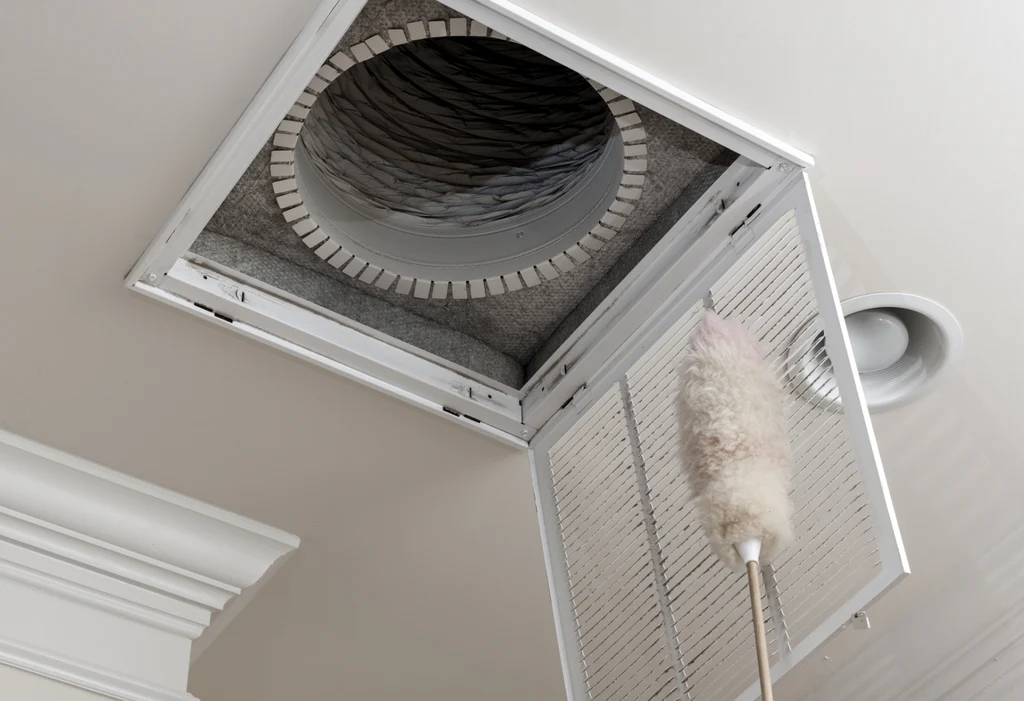
- Duct and Vent Cleaning: Clearing accumulated debris from air ducts, exhaust systems, and ventilation shafts to ensure proper airflow and reduce fire risks.
- Sorting Equipment Maintenance: Keeping sorting screens, rollers, and chutes free from buildup that could affect sorting accuracy and throughput.
- Pre-Cleaning for Sensitive Machinery: Preparing surfaces for further processing or inspection by removing contaminants that could interfere with sensors or moving parts.
To explore how these solutions can be tailored to different production environments, visit our article on rotary brush solutions for production environments.
Choosing the Right Rotary Brush System for Your Facility
Selecting an appropriate rotary brush cleaning system involves considering several factors:
- Material Compatibility: Ensure the brush bristle material matches the surfaces and contaminants in your facility to avoid damage or ineffective cleaning.
- Brush Size and Shape: The diameter and length of the brush should fit the equipment or ductwork being cleaned for maximum contact and efficiency.
- Motor Power and Speed: Adjustable speed settings allow for customization based on the type of debris and the sensitivity of the equipment.
- Ease of Maintenance: Look for systems with quick-change brush heads and accessible components for routine upkeep.
- Integration with Existing Systems: Some rotary brush units can be retrofitted to existing conveyors or ducts, while others may require dedicated installations.
Consulting with experienced suppliers and reviewing rotating brush technology options can help you identify the best fit for your plant’s needs.

Best Practices for Implementing Rotary Brush Cleaning Solutions
To maximize the effectiveness of rotary brush cleaning in recycling plants, consider these best practices:
- Regular Scheduling: Establish a cleaning schedule based on equipment usage and the type of materials processed. High-dust environments may require more frequent cleaning.
- Operator Training: Ensure maintenance staff are trained in the safe operation and adjustment of rotary brush systems.
- Routine Inspections: Periodically inspect brushes for wear and replace them as needed to maintain cleaning performance.
- Monitor Results: Track cleaning outcomes and adjust parameters (such as speed or brush type) to optimize results and reduce unnecessary wear.
- Stay Updated: Keep up with rotary brush system future trends to take advantage of new technologies and innovations.
Frequently Asked Questions
What types of contaminants can rotary brush cleaning remove in recycling plants?
Rotary brush systems are effective at removing a wide range of contaminants, including dust, fibers, sticky residues, and compacted debris from conveyor belts, ducts, and sorting equipment. Their mechanical action is particularly suited for dislodging stubborn buildup that can affect machinery performance.
How often should rotary brush cleaning be performed in a recycling facility?
The optimal cleaning frequency depends on the volume and type of materials processed, as well as the specific equipment in use. High-throughput facilities or those handling particularly dusty or fibrous materials may require daily or weekly cleaning, while others can maintain efficiency with less frequent schedules. Regular inspections help determine the right interval.
Are rotary brush systems safe for all types of recycling equipment?
Most rotary brush systems are designed with adjustable settings and a variety of bristle materials to suit different surfaces. However, it’s important to select brushes that are compatible with your equipment to avoid damage. Consulting with manufacturers and following expert guidance ensures safe and effective use.
Conclusion
Integrating rotary brush cleaning into recycling plant maintenance routines delivers measurable benefits in efficiency, safety, and equipment longevity. By understanding the technology, selecting the right system, and following best practices, facility managers can ensure their operations remain clean, compliant, and productive. For ongoing updates and expert insights, explore our related resources and stay informed about advancements in this essential cleaning technology.