Plastic components are widely used across industries, from HVAC ductwork to manufacturing equipment and consumer goods. Keeping these surfaces clean is essential for maintaining performance, safety, and longevity. Rotary brush cleaning for plastic materials has become a preferred method due to its efficiency, adaptability, and ability to handle a variety of contaminants without damaging sensitive surfaces.
This guide explores how rotary brush systems work on plastics, their main benefits, and best practices for safe and effective use. Whether you manage facility maintenance or are a DIY enthusiast, understanding this cleaning technique can help you achieve better results with less effort. For those interested in the latest developments in this field, you can also read about rotary brush system future trends to stay ahead of the curve.
Understanding Rotary Brush Systems for Plastics
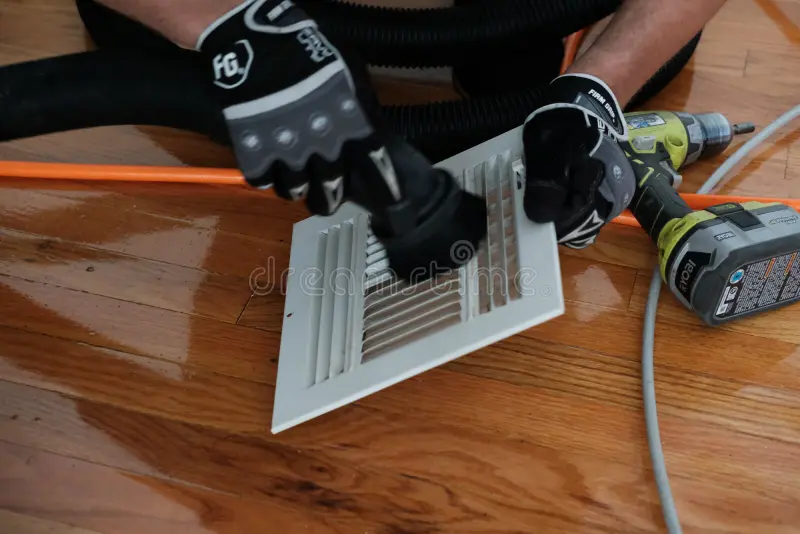
Rotary brush cleaning involves the use of motor-driven brushes that spin at controlled speeds to dislodge dirt, dust, debris, and residues from surfaces. When applied to plastic materials, these systems use specially designed bristles—often synthetic or soft natural fibers—to avoid scratching or deforming the substrate.
The flexibility of rotary brushes makes them suitable for cleaning various plastic surfaces, including:
- HVAC ducts and vents
- Plastic pipes and tubing
- Automotive components
- Industrial equipment housings
- Consumer appliances
Brushes come in different diameters and stiffness levels, allowing users to match the tool to the specific cleaning task. Some advanced systems even integrate vacuum suction to capture loosened debris, further enhancing cleanliness and air quality.
Key Benefits of Rotary Brush Cleaning on Plastic Surfaces
Choosing a rotary brush method for plastic cleaning offers several advantages:
- Efficient Debris Removal: The rotating action quickly lifts dust, lint, and buildup from grooves and textured surfaces, reducing manual labor.
- Gentle on Plastics: With the right brush selection, rotary systems clean thoroughly without causing scratches, gouges, or static buildup.
- Versatility: Suitable for flat, curved, or irregular shapes, making them ideal for a wide range of plastic applications.
- Improved Hygiene: Effective at removing allergens, mold, and bacteria, especially in ductwork and food processing environments.
- Time Savings: Faster than manual scrubbing, especially for large or hard-to-reach areas.
To maximize these benefits, always select a brush type and speed appropriate for the plastic material and level of contamination.
Best Practices for Safe and Effective Rotary Brush Cleaning
To ensure optimal results and protect plastic surfaces, follow these guidelines:
- Choose the Right Brush: Use soft or medium bristles for delicate plastics. Hard bristles may scratch or mar the surface.
- Test on a Small Area: Before cleaning the entire surface, test the brush on a hidden section to check for compatibility.
- Control the Speed: Operate the rotary brush at a moderate speed. Excessive RPMs can generate heat and cause plastic deformation.
- Use Appropriate Cleaning Agents: If detergents are needed, select those that are safe for plastics and avoid harsh solvents.
- Regular Maintenance: Clean brushes after use to prevent cross-contamination and extend their lifespan. For advice on maximizing tool durability, see this resource on rotary brush lifespan optimization.
Always follow manufacturer instructions for both the cleaning system and the plastic material to avoid accidental damage.
Applications of Rotary Brushes in Plastic Maintenance
Rotary brush cleaning is used in a variety of settings where plastics accumulate dust, lint, or residues:
- HVAC and Air Ducts: Removing dust and allergens from plastic ductwork improves indoor air quality and system efficiency.
- Manufacturing Lines: Cleaning conveyor belts, guards, and machine housings keeps production running smoothly.
- Automotive Detailing: Brushes reach into vents and crevices of plastic dashboards and trim.
- Home Appliances: Lint and debris are easily removed from dryer vents, vacuum hoses, and plastic casings.
Some commercial-grade rotary broom systems are designed for heavy-duty outdoor cleaning, such as removing debris from plastic playground equipment. For a deeper look at the engineering behind these tools, see this overview of commercial-grade rotary broom components.

Choosing the Right Rotary Brush System for Your Needs
Selecting the best rotary brush setup depends on your specific application. Consider the following factors:
- Brush Diameter and Shape: Match the brush size to the diameter of the duct, pipe, or surface being cleaned.
- Bristle Material: Synthetic bristles are generally safer for plastics, while natural fibers may be suitable for less delicate surfaces.
- Motor Power: Ensure the drive unit provides enough torque for the job without excessive speed.
- System Compatibility: Some brushes are designed for specific brands or models. Check compatibility before purchasing.
- Ease of Use: Look for features like flexible shafts, quick-change heads, and integrated vacuum ports.
To make an informed decision, you may want to consult resources such as this rotary brush motor selection guide for buyers.
Maintenance Tips for Rotary Brush Equipment
Proper care of your cleaning equipment ensures consistent performance and extends its service life. Here are some essential maintenance tips:
- Clean After Each Use: Remove debris from bristles and inspect for wear or deformation.
- Store Properly: Keep brushes dry and away from direct sunlight to prevent bristle damage.
- Replace Worn Brushes: Over time, bristles lose their shape and effectiveness. Replace as needed.
- Lubricate Moving Parts: If your system has bearings or joints, follow manufacturer recommendations for lubrication.
- Monitor System Costs: For tips on reducing upkeep, see this article on how to lower rotary brush system maintenance costs.
Routine maintenance not only protects your investment but also ensures safe operation and optimal cleaning outcomes.
Frequently Asked Questions
Is rotary brush cleaning safe for all types of plastic?
Most plastics can be safely cleaned with rotary brushes if the correct bristle type and speed are used. Always test on a small area first and avoid harsh chemicals or abrasive bristles on delicate plastics.
How often should rotary brush cleaning be performed on plastic ducts or vents?
The frequency depends on usage and environmental factors. For residential HVAC ducts, annual cleaning is common. In industrial or high-dust environments, more frequent cleaning may be needed to maintain air quality and system efficiency.
What should I do if the brush leaves marks or scratches on the plastic?
Stop cleaning immediately and inspect the brush for excessive stiffness or embedded debris. Switch to a softer bristle and ensure the surface is free of grit before resuming. If scratches persist, consult the equipment manufacturer for recommendations.