Rotary brush systems are essential tools in industries ranging from HVAC duct cleaning to surface preparation and industrial drying. While these machines are designed for durability and efficiency, the ongoing expense of keeping them in top shape can add up quickly. For businesses and professionals, finding ways to reduce rotary brush system maintenance costs is crucial for long-term profitability and operational reliability.
This guide explores proven methods to minimize expenses associated with rotary brush equipment. We’ll cover routine care, smart component selection, operator training, and more. If you want to extend the lifespan of your system and avoid unnecessary repairs, these strategies will help you achieve lower costs without sacrificing performance.
For those interested in hybrid solutions, rotary brush hybrid cleaning systems offer unique advantages that can further reduce wear and maintenance frequency.
Understanding the Main Drivers of Rotary Brush System Maintenance Costs
Before implementing cost-saving measures, it’s important to identify what contributes most to ongoing expenses. The primary factors include:
- Brush wear and replacement: Brushes degrade over time, especially with abrasive materials or improper use.
- Motor and drive system issues: Overloading, overheating, or lack of lubrication can lead to costly repairs.
- Contamination and blockages: Debris buildup inside ducts or housings increases friction and accelerates component wear.
- Operator error: Inexperienced users may misuse the system, leading to avoidable breakdowns or damage.
- Poor maintenance routines: Skipping regular checks or using the wrong cleaning agents can shorten equipment life.
By focusing on these areas, you can develop a targeted plan to lower your overall maintenance expenditure.
Routine Maintenance: The Foundation for Cost Reduction
Consistent, scheduled care is the most effective way to keep rotary brush system maintenance costs under control. Here are key steps to include in your maintenance routine:
- Daily inspections: Check for visible wear, loose fasteners, and debris accumulation after each use.
- Lubrication: Apply recommended lubricants to bearings and moving parts at intervals specified by the manufacturer.
- Brush cleaning: Remove dust, fibers, and contaminants from the brush and housing to prevent clogging and uneven wear.
- Motor checks: Listen for unusual noises or vibrations, and monitor temperature to catch early signs of trouble.
- Replace worn brushes promptly: Using brushes beyond their service life can damage other components and increase overall costs.
For more detailed tips on maximizing brush longevity, see this rotary brush lifespan optimization resource.

Smart Component Selection to Reduce Expenses
The choice of brushes, motors, and accessories has a direct impact on maintenance frequency and costs. Consider these guidelines:
- Choose the right brush material: Synthetic bristles may last longer in some environments, while natural fibers can be gentler on delicate surfaces.
- Match brush size and stiffness to the application: Oversized or overly stiff brushes put extra strain on the system.
- Select energy-efficient motors: Modern motors with overload protection and thermal cutoffs reduce the risk of burnout.
- Use compatible accessories: Attachments designed for your specific model prevent unnecessary wear and improve cleaning efficiency.
For help with choosing the best motor for your needs, the rotary brush motor selection guide provides practical advice.
Operator Training: Preventing Costly Mistakes
Human error is a common cause of unnecessary repairs. Investing in proper training for all operators can significantly lower rotary brush system maintenance costs. Key training topics include:
- Correct assembly and disassembly of the system
- Recognizing signs of brush or motor fatigue
- Safe handling of cleaning chemicals
- Proper storage techniques to prevent damage
- Understanding manufacturer guidelines for each component
Well-trained staff are less likely to misuse equipment, skip important steps, or overlook early warning signs of failure.
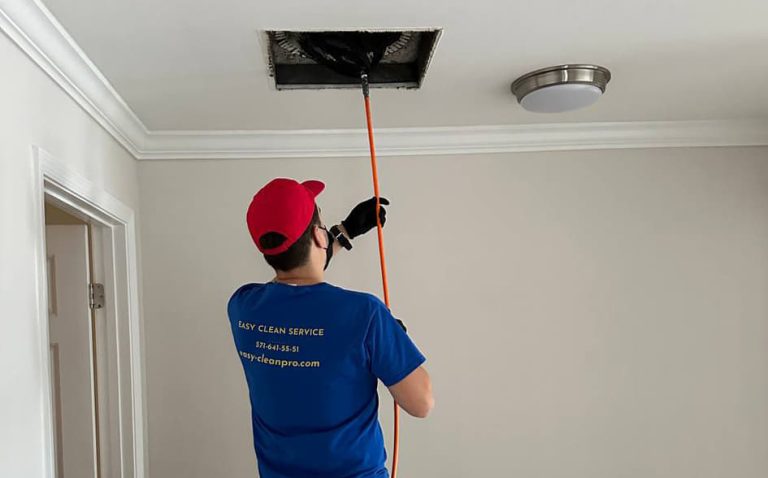
Environmental Factors and Their Impact on System Longevity
The environment in which your rotary brush system operates can dramatically affect how often maintenance is needed. High humidity, abrasive dust, or corrosive chemicals all accelerate wear. To minimize these effects:
- Install dust extraction or filtration systems to reduce airborne particles
- Store equipment in a dry, temperature-controlled area
- Use corrosion-resistant components if exposure to chemicals is unavoidable
- Regularly clean and inspect seals and protective covers
Understanding the rotary brush system lifecycle helps anticipate when major overhauls or replacements may be needed, allowing for better budgeting and fewer surprises.
Advanced Cleaning and Maintenance Techniques
Adopting advanced cleaning methods can further reduce the frequency and cost of repairs. For example, using specialized rotary brush systems for metal polishing or industrial dryer cleaning ensures optimal results with less strain on the equipment. For a detailed look at cleaning industrial dryers, see this step-by-step rotary dryer cleaning guide.
Other advanced tips include:
- Implementing vibration monitoring to detect early signs of imbalance
- Using non-abrasive cleaning agents to protect bristles and surfaces
- Scheduling periodic professional inspections for high-value systems
These proactive steps can prevent minor issues from turning into major, costly breakdowns.
Tracking and Analyzing Maintenance Data
Keeping detailed records of all maintenance activities, repairs, and component replacements helps identify patterns and optimize your strategy. Use a simple logbook or digital tracking system to monitor:
- Brush replacement intervals
- Motor service history
- Downtime incidents and causes
- Parts and labor costs
Analyzing this data allows you to adjust schedules, predict future expenses, and make informed decisions about upgrades or replacements.
Frequently Asked Questions
How often should rotary brush system brushes be replaced?
Replacement frequency depends on usage, material type, and application. For most commercial systems, brushes should be inspected after every major job and replaced when bristles show significant wear or deformation. Following manufacturer guidelines and tracking brush lifespan helps avoid premature failure.
What are the most common causes of high maintenance costs?
The main contributors are excessive brush wear, motor overload, lack of regular cleaning, and improper use. Environmental factors like dust and moisture also play a role. Addressing these issues through routine care and proper training can significantly lower expenses.
Can using the wrong brush damage the system?
Yes. Using brushes that are too stiff, too large, or made from incompatible materials can strain the motor, accelerate wear, and even damage the surfaces being cleaned. Always select brushes based on the manufacturer’s recommendations and the specific application.
Conclusion
Reducing the ongoing expense of maintaining rotary brush equipment is achievable through a mix of routine care, smart component choices, operator education, and environmental controls. By following the strategies outlined above, you can extend the lifespan of your system, minimize downtime, and keep rotary brush system maintenance costs in check. For specialized applications, such as polishing metal surfaces with rotary brush systems, always consult product-specific guidelines to ensure optimal results and cost efficiency.