Maintaining the clarity and shine of glass surfaces is essential in both residential and commercial environments. Over time, glass can accumulate dust, grime, and mineral deposits that diminish its appearance and even impact its longevity. Among the various cleaning methods available, rotary brush cleaning for glass surfaces stands out for its efficiency and ability to tackle stubborn residues without causing scratches or damage when used correctly.
This guide explores the safe application of rotary brush systems on glass, highlighting best practices, equipment selection, and essential safety tips. Whether you manage building maintenance or simply want streak-free windows at home, understanding how to use these tools can make a significant difference in your cleaning routine.
For those interested in the latest advancements in this field, rotary brush cleaning technology trends provide insights into new materials and design improvements that enhance both safety and performance.
Understanding Rotary Brush Systems for Glass
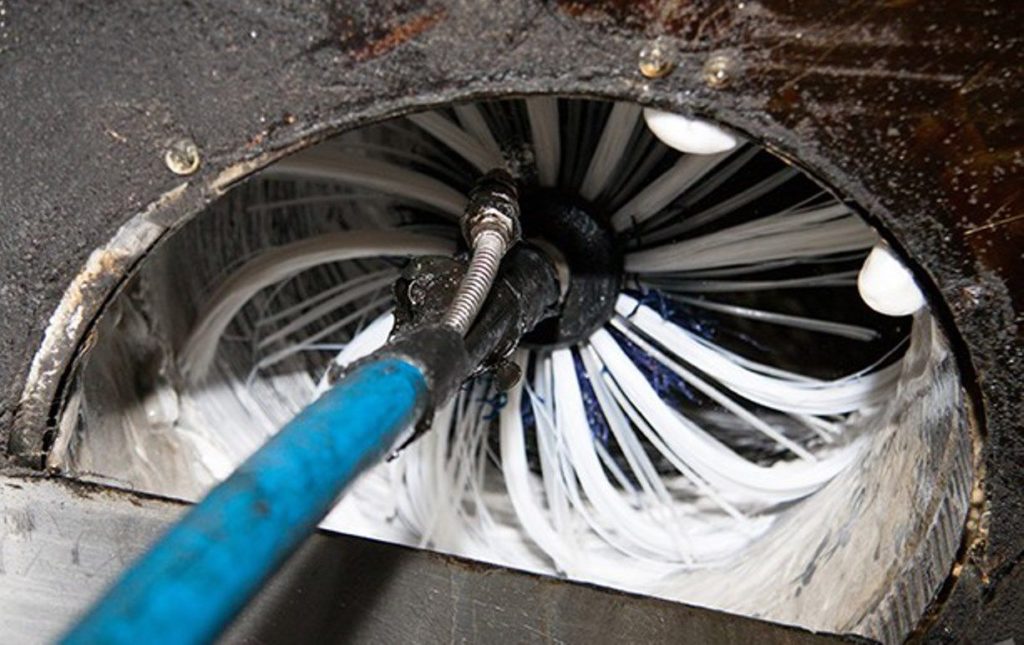
A rotary brush system uses a motor-driven brush head that spins at controlled speeds. The bristles, often made from soft synthetic fibers, are designed to dislodge dirt and debris from surfaces without scratching. When applied to glass, these systems can efficiently remove stubborn spots, water stains, and even light mineral buildup.
The key to safe use lies in selecting the right brush type and ensuring the equipment is properly maintained. Brushes with overly stiff bristles or worn-down tips can create micro-scratches, so always inspect your tools before each cleaning session.
Benefits of Using Rotary Brushes on Glass
There are several advantages to choosing rotary brush cleaning for glass surfaces:
- Efficiency: The rotating action covers more area in less time, reducing manual effort.
- Consistency: Even pressure and motion help avoid streaks and uneven cleaning.
- Versatility: Suitable for windows, glass doors, shower enclosures, and even some specialty glass installations.
- Deep Cleaning: Effectively removes tough grime and buildup that traditional cloths or squeegees may leave behind.
Choosing the Right Rotary Brush for Glass
Not all rotary brushes are created equal. When selecting a system for glass, prioritize these features:
- Soft Bristles: Synthetic or natural fibers that are gentle on delicate surfaces.
- Adjustable Speed: Lower RPMs reduce the risk of scratching and allow for more controlled cleaning.
- Ergonomic Design: Lightweight handles and easy-to-attach brush heads make operation safer and more comfortable.
For those seeking high-quality options, products like the Flexible Rotary Brush and LintEater System are popular choices for both professionals and homeowners.

Safe Techniques for Rotary Brush Cleaning on Glass
To ensure optimal results and avoid accidental damage, follow these steps when using a rotary brush on glass surfaces:
- Pre-clean: Remove loose dust and debris with a soft microfiber cloth or gentle rinse. This prevents abrasive particles from being trapped under the brush.
- Apply Cleaning Solution: Use a glass-safe cleaner or a mixture of mild soap and water. Avoid harsh chemicals that could etch or cloud the glass.
- Set Brush Speed: Choose the lowest effective speed setting. High RPMs are rarely necessary for glass and can increase the risk of scratching.
- Gentle Pressure: Let the brush do the work. Excessive force can press bristles into the surface, causing micro-abrasions.
- Consistent Motion: Move the brush in overlapping passes, working from top to bottom to prevent drips and streaks.
- Rinse and Dry: After cleaning, rinse the glass with clean water and dry with a lint-free cloth for a streak-free finish.
Common Mistakes to Avoid
Even with the right equipment, improper technique can lead to unsatisfactory results or even permanent damage. Be mindful of these common pitfalls:
- Using brushes with worn or stiff bristles that can scratch glass.
- Applying excessive pressure or using high-speed settings unnecessarily.
- Neglecting to pre-clean, which can grind abrasive particles into the surface.
- Skipping the rinse step, leaving behind residue or cleaner streaks.
For more detailed advice, rotary brush system expert tips offer practical guidance on tool care and advanced cleaning strategies.
When to Use Rotary Brushes vs. Other Methods
While rotary brush cleaning is highly effective for glass, it may not always be the best choice for every situation. Consider these factors:
- Heavy Buildup: Rotary brushes excel at removing mineral deposits, soap scum, and baked-on grime.
- Routine Cleaning: For light dust or fingerprints, a simple microfiber cloth and glass cleaner may suffice.
- Delicate or Antique Glass: In cases where glass is thin, etched, or historically significant, consult a professional before using any mechanical cleaning method.
If you’re interested in how these systems are evolving, the article on rotary brush system future trends covers innovations that may further improve safety and effectiveness for glass and other surfaces.
Maintenance and Care for Rotary Brush Equipment
Proper maintenance not only extends the life of your cleaning equipment but also ensures safe and effective results. After each use:
- Thoroughly rinse brush heads to remove any cleaning solution or debris.
- Inspect bristles for wear and replace as needed.
- Store brushes in a dry, clean area to prevent mold or mildew growth.
- Periodically check the tool’s mechanical components for signs of wear or malfunction.
For those managing cleaning operations in production environments, rotary brush solutions for production environments provides additional context on equipment care and scaling up cleaning protocols.
Industry Standards and Quality Assurance
Following recognized standards ensures that cleaning is both safe and effective. Adhering to rotary brush cleaning quality standards helps avoid common mistakes and ensures consistent outcomes, especially in commercial or regulated settings.
For a broader perspective on machine options and best practices, the rotary floor brush machine overview offers a comprehensive look at different brush types and their applications.
Frequently Asked Questions
Can rotary brush systems scratch glass surfaces?
When used with soft bristles and proper technique, rotary brushes are safe for most glass. However, using worn brushes, excessive pressure, or high speeds can cause scratches. Always inspect equipment before use and follow manufacturer recommendations.
What cleaning solutions are safe to use with rotary brushes on glass?
Mild soap and water or commercial glass cleaners are generally safe. Avoid abrasive powders or acidic solutions, as these can damage glass and brush bristles.
How often should rotary brush heads be replaced?
Replace brush heads as soon as bristles show signs of wear, fraying, or stiffness. Regular inspection after each use will help maintain optimal cleaning performance and prevent accidental damage to glass.