Maintaining cleanliness in industrial, commercial, and residential environments often requires specialized tools. Rotary brush cleaning equipment stands out as a powerful solution for tackling tough debris, dust, and contaminants in HVAC ducts, dryer vents, and other hard-to-reach spaces. This guide explores the essential features, applications, and best practices for selecting and using these robust cleaning systems.
Whether you’re a facility manager, professional cleaner, or a homeowner seeking a deeper clean, understanding the capabilities and options of rotary brush systems can help you achieve better results with less effort. For those interested in advanced applications, rotary brush solutions for production environments provide insights into optimizing these tools for industrial settings.

Understanding Rotary Brush Cleaning Systems
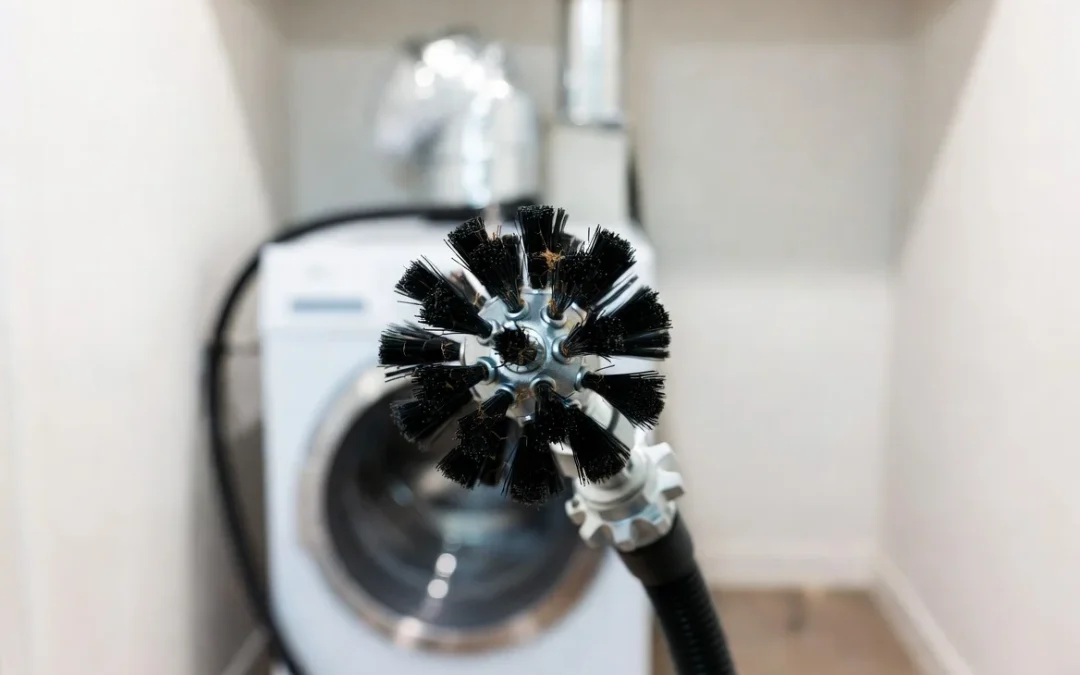
At their core, rotary brush cleaning systems use a motor-driven or drill-powered rotating brush to dislodge and remove stubborn buildup from surfaces. The brush’s bristles, often made from nylon or synthetic fibers, spin rapidly to scrub away dust, lint, mold, and other contaminants. These systems are especially valuable for cleaning:
- HVAC ductwork and vents
- Dryer vents and exhausts
- Industrial pipes and tubes
- Chimneys and flues
- Conveyor belts and machinery parts
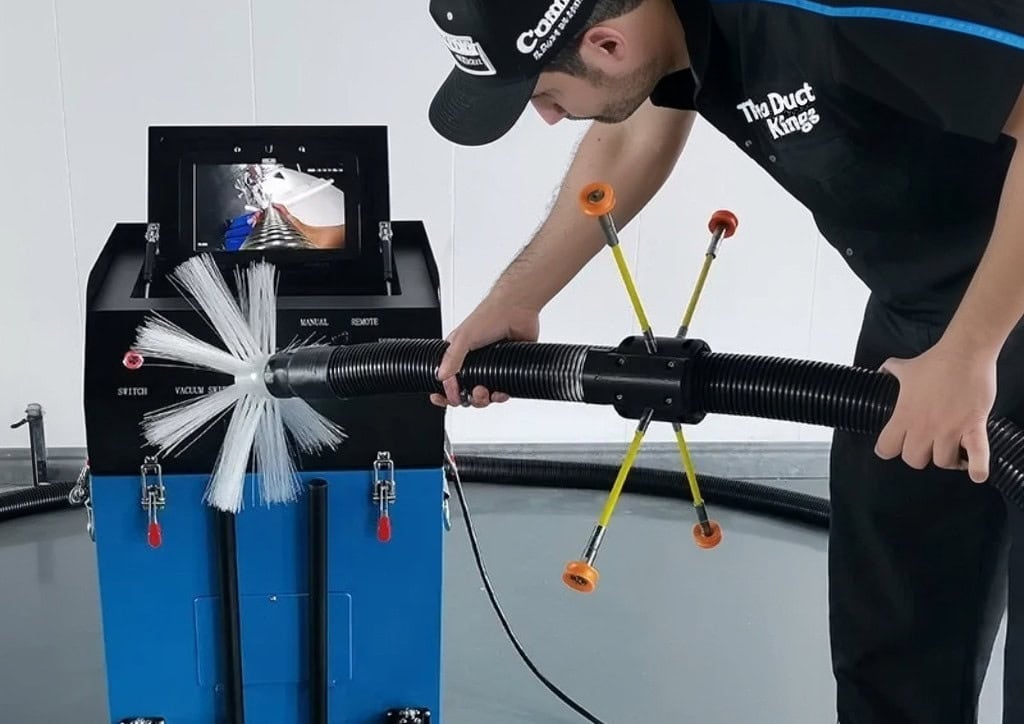
Unlike manual brushes, the rotary action provides consistent, thorough cleaning, reducing labor time and improving results. Many systems are compatible with vacuum attachments, allowing for simultaneous debris extraction and minimizing airborne particles.
Key Features of Professional Rotary Brush Equipment
When evaluating rotary brush cleaning equipment, several features distinguish heavy-duty models from basic consumer options:
- Motor Power: Industrial-grade systems offer higher torque and variable speed control for tackling dense buildup.
- Brush Versatility: Interchangeable heads in various diameters and bristle stiffness accommodate different duct sizes and materials.
- Flexible Shafts: Durable, kink-resistant rods allow the brush to navigate bends and long runs without losing rotation power.
- Safety Mechanisms: Features like overload protection and quick-release couplings enhance operator safety and equipment longevity.
- Vacuum Integration: Many systems support HEPA-filtered vacuums, capturing loosened debris for cleaner, healthier environments.
For those interested in the latest advancements, exploring rotary brush system future trends can provide insight into emerging technologies and smart features.
Applications and Benefits of Rotary Brush Systems
These cleaning tools are valued for their efficiency and adaptability across multiple industries. Some of the main benefits include:
- Improved Air Quality: Removing dust and contaminants from ducts and vents reduces allergens and improves indoor air quality.
- Fire Prevention: Regular dryer vent cleaning with rotary brushes helps prevent dangerous lint buildup, a leading cause of residential fires.
- Energy Savings: Clean HVAC systems and dryer vents operate more efficiently, lowering energy consumption and utility bills.
- Extended Equipment Life: Keeping ducts, machinery, and exhausts free of debris reduces wear and maintenance costs.
- Versatility: With the right attachments, these systems can clean a wide range of surfaces and equipment types.
For a deeper look at combining rotary brushes with other cleaning technologies, see the guide on rotary brush hybrid cleaning systems and their unique advantages.
Choosing the Right Rotary Brush Cleaning Equipment
Selecting the optimal system depends on your specific cleaning needs, frequency of use, and the types of surfaces you’ll be addressing. Here are some key considerations:
- Size and Reach: Ensure the brush diameter and shaft length are suitable for your ductwork or equipment dimensions.
- Bristle Material: Nylon is gentle yet effective for most applications, while stiffer synthetic or metal bristles may be needed for heavy deposits.
- Power Source: Decide between drill-powered kits for occasional use or dedicated motorized systems for frequent, intensive cleaning.
- Attachment Compatibility: Look for systems that support vacuum integration and interchangeable brush heads.
- Ease of Use: Lightweight, ergonomic designs reduce fatigue and improve maneuverability, especially in tight spaces.
For guidance on selecting the right motor for your setup, the rotary brush motor selection resource offers detailed advice.
Additionally, understanding the rotary brush mechanism and its cleaning action can help you make informed decisions about which system best fits your requirements.
Maintenance and Longevity Tips
Proper care extends the lifespan and performance of your rotary brush cleaning tools. Here are some best practices:
- Clean brush heads and shafts after each use to prevent buildup and bristle wear.
- Inspect for damage or excessive wear before each job, replacing worn parts promptly.
- Store equipment in a dry, cool place to avoid moisture-related damage.
- Lubricate moving parts as recommended by the manufacturer.
- Follow safety guidelines for motorized equipment to prevent accidents and prolong service life.
For more strategies on maximizing the durability of your tools, check out rotary brush lifespan optimization tips and recommendations.
Frequently Asked Questions
What types of surfaces can rotary brush cleaning equipment handle?
These systems are designed for a variety of surfaces, including metal and flexible ductwork, dryer vents, chimneys, and some machinery parts. The choice of brush head and bristle material allows for safe cleaning of both delicate and rugged surfaces.
How often should I use a rotary brush system for duct or vent cleaning?
For residential dryer vents, annual cleaning is recommended to prevent lint buildup and fire risk. HVAC systems may require cleaning every 3–5 years, or more frequently in dusty environments or commercial settings. Always follow manufacturer and industry guidelines.
Are rotary brush systems safe for DIY use?
Many kits are designed for homeowner use and can be attached to a standard drill. However, for large or complex systems, or where hazardous materials are present, professional cleaning is advised to ensure safety and thoroughness.
Conclusion
Heavy-duty rotary brush cleaning systems offer a reliable, efficient solution for maintaining clean ducts, vents, and industrial equipment. By understanding the features, benefits, and best practices outlined in this guide, you can select the right tools for your needs and ensure optimal performance for years to come. For those seeking advanced solutions or specialized advice, the linked resources throughout this article provide further reading on hybrid systems, motor selection, and maximizing equipment lifespan.