In today’s fast-paced industrial and commercial environments, efficiency and cleanliness are more important than ever. Rotary brush automation systems have become a cornerstone for businesses looking to streamline cleaning, maintenance, and surface preparation tasks. These systems are engineered to deliver consistent, thorough results while reducing manual labor and operational downtime.
Whether you’re managing HVAC ductwork, manufacturing lines, or specialized cleaning operations, integrating automated rotary brush solutions can significantly boost productivity and quality. This article explores the key features, benefits, and applications of these systems, providing practical insights for those considering automation in their cleaning processes.

For those interested in hybrid solutions that combine multiple cleaning technologies, you may want to explore rotary brush hybrid cleaning systems to understand the advantages of combining rotary brushes with other cleaning methods.
Understanding Automated Rotary Brush Solutions
Automated rotary brush systems are designed to mechanize the cleaning process using rotating brushes powered by electric or pneumatic motors. These brushes can be customized in terms of bristle material, size, and rotation speed to suit a wide range of applications—from duct cleaning and floor scrubbing to metal surface polishing.
The core advantage lies in their ability to deliver uniform cleaning action, reaching areas that are often difficult or unsafe for manual labor. Automation ensures that each cleaning cycle is consistent, reducing the risk of human error and improving overall cleanliness standards.
Key Benefits of Rotary Brush Automation
- Efficiency: Automated systems clean faster and more thoroughly than manual methods, saving time and labor costs.
- Consistency: Programmable settings ensure each cleaning cycle delivers the same high-quality results.
- Safety: Reduces the need for workers to enter confined or hazardous spaces, minimizing the risk of injury.
- Versatility: Suitable for a variety of surfaces and contaminants, from dust and debris in ducts to stubborn residues on industrial floors.
- Cost Savings: Lower maintenance and reduced downtime translate to long-term operational savings.
Common Applications for Automated Rotary Brushes
These systems are widely used across multiple industries. Some of the most common applications include:
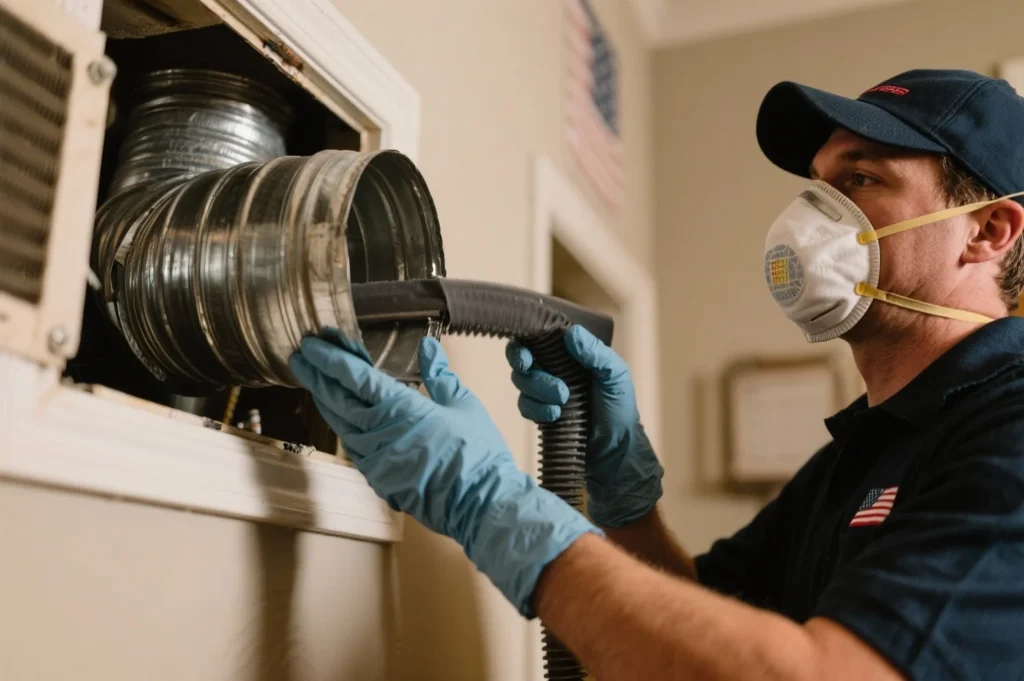
- HVAC Duct Cleaning: Removing dust, debris, and microbial buildup from air ducts to improve indoor air quality and system efficiency.
- Industrial Floor Maintenance: Scrubbing and polishing large floor areas in warehouses, factories, and commercial spaces.
- Surface Preparation: Prepping metal, wood, or plastic surfaces for painting, coating, or further processing.
- Food Processing: Cleaning conveyor belts and processing equipment to maintain hygiene standards.
- Automotive Manufacturing: Cleaning parts and assemblies during production to ensure quality and precision.

How Rotary Brush Automation Systems Work
At the heart of these systems is a motor-driven shaft that rotates one or more brushes at variable speeds. The brushes are selected based on the cleaning task—softer bristles for delicate surfaces, stiffer ones for heavy-duty scrubbing. Many systems include adjustable arms or flexible shafts to navigate bends and corners, especially useful in ductwork or complex machinery.
Advanced models feature programmable logic controllers (PLCs) for automated operation, allowing users to set cleaning cycles, brush speed, and pressure. Some systems can be integrated with sensors to detect dirt levels or obstructions, further enhancing efficiency and safety.
Choosing the Right Rotary Brush Automation System
Selecting the best system for your needs depends on several factors:
- Application: Consider the type of surface, contaminants, and required cleaning frequency.
- Brush Material: Nylon, polypropylene, steel, and other materials offer different cleaning strengths and durability.
- Motor Power: Higher-powered motors are needed for heavy-duty or large-scale cleaning tasks.
- Automation Features: Look for programmable settings, remote control, and safety sensors for optimal performance.
- Maintenance: Choose systems with easy brush replacement and accessible components to minimize downtime.
For a deeper dive into selecting the right motor for your system, see this helpful guide on rotary brush motor selection.
Maintenance and Longevity of Automated Rotary Brushes
Regular maintenance is essential to keep your automated cleaning equipment running smoothly. This includes inspecting brushes for wear, checking motor function, and cleaning or replacing filters. Well-maintained systems not only last longer but also maintain their cleaning effectiveness over time.
For expert advice on maximizing the lifespan of your equipment, refer to these rotary brush lifespan optimization tips and best practices.
Industry Trends and Innovations
The field of automated cleaning is evolving rapidly. Recent innovations include smart sensors, IoT connectivity for remote monitoring, and eco-friendly brush materials. These advancements are making automated rotary brush systems even more adaptable and sustainable.
For a broader perspective on how these machines are shaping the cleaning industry, visit this in-depth overview of rotary floor brush machines.
Integrating Rotary Brush Automation into Your Workflow
Implementing automated rotary brush solutions requires careful planning. Assess your current cleaning challenges, identify areas where automation can deliver the most value, and consult with equipment suppliers to customize a system for your needs.
Training staff on proper operation and maintenance is also crucial. Most systems are user-friendly, but understanding the controls, safety features, and maintenance routines will ensure optimal results and longevity.
If your operations involve polishing or finishing metal surfaces, you might find this guide on rotary brush system for polishing metal particularly useful.
Frequently Asked Questions
What types of contaminants can automated rotary brush systems remove?
These systems are effective at removing dust, dirt, debris, grease, and even microbial buildup from a variety of surfaces. The choice of brush material and system configuration allows them to tackle both light and heavy-duty cleaning tasks.
How often should brushes be replaced in automated systems?
Brush replacement frequency depends on usage, surface type, and the materials being cleaned. Regular inspections are recommended. For more detailed guidance, review these rotary brush lifespan optimization tips.
Are rotary brush automation systems suitable for small businesses?
Yes, there are compact and affordable models designed for small-scale operations. These solutions can help smaller businesses achieve professional cleaning results without large investments in manual labor.
Conclusion
Embracing automated rotary brush technology can transform your cleaning and maintenance routines, delivering greater efficiency, safety, and consistent results. By understanding your specific needs and selecting the right system, you can ensure a cleaner, more productive environment for your business.
For further insights into the lifecycle and best practices for these systems, consider reading about the rotary brush system lifecycle.