Understanding the impact of outdoor air quality on duct dust is essential for homeowners and building managers who want to maintain a healthy indoor environment. The air outside our homes and workplaces doesn’t stay outside—particles, pollutants, and allergens can find their way indoors, settling in ductwork and affecting the quality of the air we breathe. Over time, this accumulation can lead to reduced HVAC efficiency, increased allergy symptoms, and even higher maintenance costs.
Many people focus on indoor sources of dust, but the connection between outdoor air conditions and the buildup of debris in ventilation systems is often overlooked. Outdoor pollutants such as pollen, vehicle emissions, wildfire smoke, and industrial dust can all infiltrate buildings, especially when air quality is poor or during certain weather events. Once inside, these particles often settle in air ducts, where they can recirculate and impact indoor air quality.
If you want to learn more about related maintenance topics, you might find this guide on how to clean vents in a crawl space helpful for tackling dust in less accessible areas of your home.
How Outdoor Pollutants Enter Ductwork
The journey of outdoor contaminants into your duct system begins with air exchange. Modern buildings are designed to be energy efficient, but they still require ventilation. Outdoor air enters through open doors, windows, and mechanical ventilation systems. Even with filters in place, some fine particles can bypass these barriers, especially if filters are not regularly maintained or if the system is not equipped with high-efficiency filtration.
Common outdoor pollutants that can contribute to duct dust include:
- Pollen from trees, grasses, and weeds, especially during seasonal peaks
- Vehicle emissions and road dust, particularly in urban or high-traffic areas
- Wildfire smoke and ash, which can travel long distances and infiltrate homes
- Industrial pollutants and construction debris near developing neighborhoods
Once these particles enter the building, they can settle on surfaces or be drawn into the HVAC system. Over time, they accumulate in the ductwork, contributing to dust buildup and potentially affecting the performance of the entire system.
Factors That Influence Dust Accumulation in Ducts
Several variables determine how much outdoor dust ends up in your ductwork. Understanding these factors can help you take proactive steps to reduce buildup and maintain better indoor air quality.
- Local Air Quality Index (AQI): Areas with consistently poor outdoor air quality will see more contaminants entering buildings.
- Building Envelope Integrity: Gaps, cracks, and poorly sealed doors or windows allow more outdoor air—and dust—to enter.
- HVAC System Design: Systems with inadequate filtration or leaky ducts are more prone to dust accumulation.
- Frequency of Filter Changes: Infrequent replacement of HVAC filters reduces their effectiveness in trapping outdoor particles.
- Proximity to Construction or Traffic: Buildings near busy roads or construction sites are exposed to higher levels of dust and debris.
Signs That Outdoor Air Is Affecting Your Ducts
It’s not always obvious when outdoor air is contributing to dust in your ducts, but there are some telltale signs to watch for:
- Visible dust or debris around supply and return vents
- Increased allergy or asthma symptoms among occupants
- Musty or dusty odors when the HVAC system is running
- Noticeable drop in HVAC efficiency or increased energy bills
If you notice these issues, it may be time to inspect your ductwork and consider professional cleaning. For more information on identifying system problems, check out this resource on how to recognize poor duct design and airflow issues.
Managing the Impact of Outdoor Air Quality on Duct Dust
Proactive management is key to minimizing the effects of outdoor air on your duct system. Here are some effective strategies:
- Upgrade HVAC Filters: Use high-efficiency filters (such as HEPA) to capture smaller particles that standard filters may miss.
- Seal Leaks: Inspect and seal gaps in your building envelope and ductwork to limit the entry of outdoor contaminants.
- Monitor Outdoor Air Quality: Stay informed about local AQI, especially during wildfire season or high-pollen periods, and adjust ventilation accordingly.
- Schedule Regular Duct Cleaning: Professional cleaning removes accumulated dust and helps maintain system efficiency. For step-by-step advice, see this comprehensive guide to cleaning air ducts.
- Limit Outdoor Air Intake During Poor Conditions: Temporarily close windows and reduce ventilation when outdoor air quality is especially bad.
Role of Filtration and Air Scrubbers in Reducing Dust
Filtration plays a critical role in reducing the transfer of outdoor particles into your ductwork. Standard HVAC filters are designed to trap larger debris, but finer particles—such as smoke or pollen—often require advanced solutions. High-Efficiency Particulate Air (HEPA) filters and portable air scrubbers can significantly improve indoor air quality by capturing up to 99.97% of airborne particles.
Using a HEPA air scrubber in conjunction with your HVAC system is especially beneficial during periods of poor outdoor air quality, such as wildfire events or heavy pollen days. These devices work by continuously filtering the air, reducing the amount of dust that settles in your ducts and on surfaces throughout your home or office.
How Seasonal Changes Affect Duct Dust from Outdoor Sources
Seasonal variations have a noticeable effect on the amount and type of dust entering your ductwork. In spring and early summer, pollen counts rise, leading to increased allergen levels indoors. During dry, windy periods, dust storms and wildfire smoke can introduce large amounts of fine particulate matter. In urban areas, winter may bring higher levels of vehicle emissions and road salt dust.
Being aware of these seasonal trends allows you to take targeted action, such as changing filters more frequently or using air scrubbers during high-risk periods. For those undergoing renovations or living near construction, it’s also wise to review ways to minimize dust during the duct cleaning process to keep your system clean.
Best Practices for Maintaining Clean Ducts
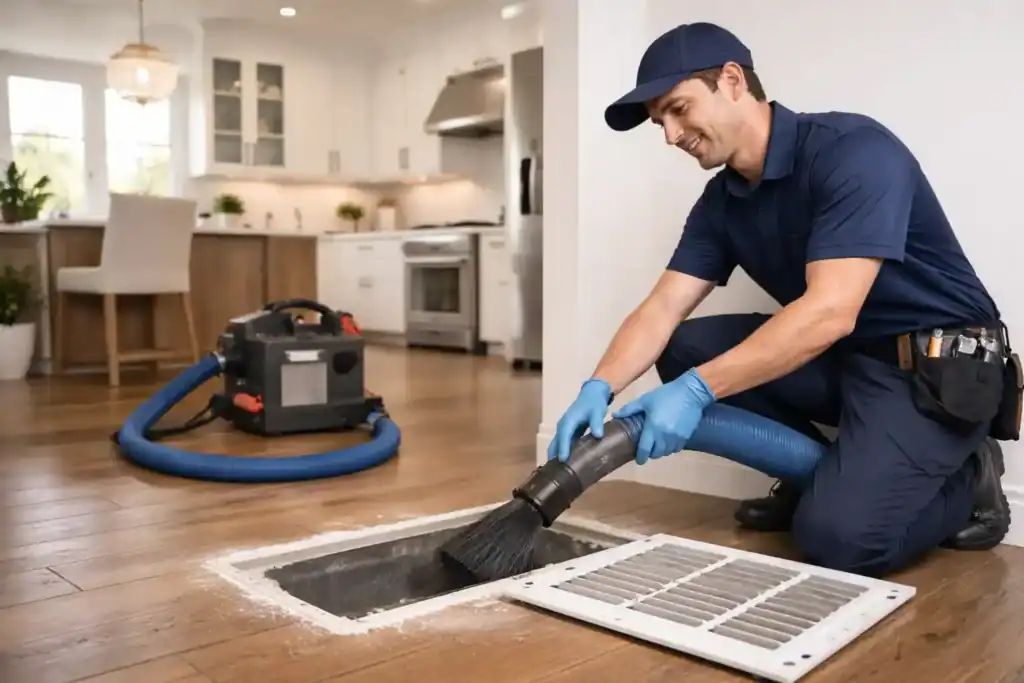
To keep your ductwork free from excessive dust and outdoor contaminants, consider these best practices:
- Inspect and replace HVAC filters every 1–3 months, or more often during high-pollution periods.
- Schedule professional duct cleaning every 3–5 years, or sooner if you notice signs of buildup.
- Seal duct joints and connections to prevent leaks and infiltration.
- Keep windows and doors closed during poor outdoor air quality events.
- Regularly clean registers, vents, and accessible duct openings.
For those with unique spaces like garages or workshops, you can find specific advice on how to clean ventilation in a garage or workspace to further reduce dust.
Frequently Asked Questions
How does outdoor air quality affect indoor dust levels?
When outdoor air contains high levels of dust, pollen, or pollutants, these particles can enter buildings through ventilation or open windows and doors. Once inside, they settle in ductwork and on surfaces, increasing overall indoor dust levels and potentially affecting health and HVAC performance.
What are the best filters for trapping outdoor dust in ducts?
HEPA filters are among the most effective at capturing fine particles from outdoor air, including pollen, smoke, and dust. Upgrading to a high-efficiency filter and ensuring regular replacement can significantly reduce the amount of debris entering your duct system.
How often should ducts be cleaned if outdoor air quality is poor?
In areas with consistently poor outdoor air quality or during events like wildfires, it’s wise to inspect and clean ducts more frequently—every 2–3 years, or sooner if you notice visible dust, odors, or increased allergy symptoms. Regular filter changes and the use of air scrubbers can also help maintain cleaner ducts between professional cleanings.