Keeping your HVAC system running efficiently requires regular attention to all its components, including the plenum box. Over time, dust and debris can accumulate inside this critical part, affecting both air quality and system performance. Understanding how to remove dust from a plenum box is essential for homeowners and facility managers who want to maintain healthy indoor air and avoid unnecessary repairs.
This guide covers practical steps, safety tips, and expert advice for cleaning a plenum box thoroughly. You’ll also find links to related topics, such as how to remove scale from metal ducts, to help you address other common HVAC maintenance needs.
Understanding the Plenum Box and Why Dust Accumulates
The plenum box is a central chamber in your HVAC system where air is distributed to various ducts. Because of its location and function, it’s a natural collection point for dust, pollen, and other airborne particles. If neglected, this buildup can reduce airflow, strain your system, and circulate contaminants throughout your home or building.
Regular cleaning not only improves air quality but also helps extend the life of your HVAC equipment. For those interested in broader duct maintenance, you may also want to learn about how to clean a portable heater vent for better safety.
Preparation: Tools and Safety Precautions
Before starting the cleaning process, gather the necessary tools and take appropriate safety measures. Here’s what you’ll need:
- Protective gear: Gloves, safety goggles, and a dust mask or respirator
- Vacuum cleaner with HEPA filter
- Soft-bristle brush or duct cleaning brush
- Microfiber cloths
- Screwdriver or nut driver (to open access panels)
- Flashlight
Always turn off your HVAC system at the thermostat and breaker before beginning any cleaning. This prevents accidental operation and ensures your safety while working inside the unit.
Step-by-Step Instructions for Removing Dust From the Plenum Box
Follow these steps to clean out dust and debris from your plenum box efficiently:
- Access the Plenum Box: Locate the plenum, typically found near the air handler or furnace. Remove the access panel using a screwdriver or nut driver. Set screws aside in a safe place.
- Inspect for Excessive Dust or Mold: Use a flashlight to check for heavy dust buildup, mold, or signs of moisture. If you notice mold or water damage, consider consulting a professional before proceeding.
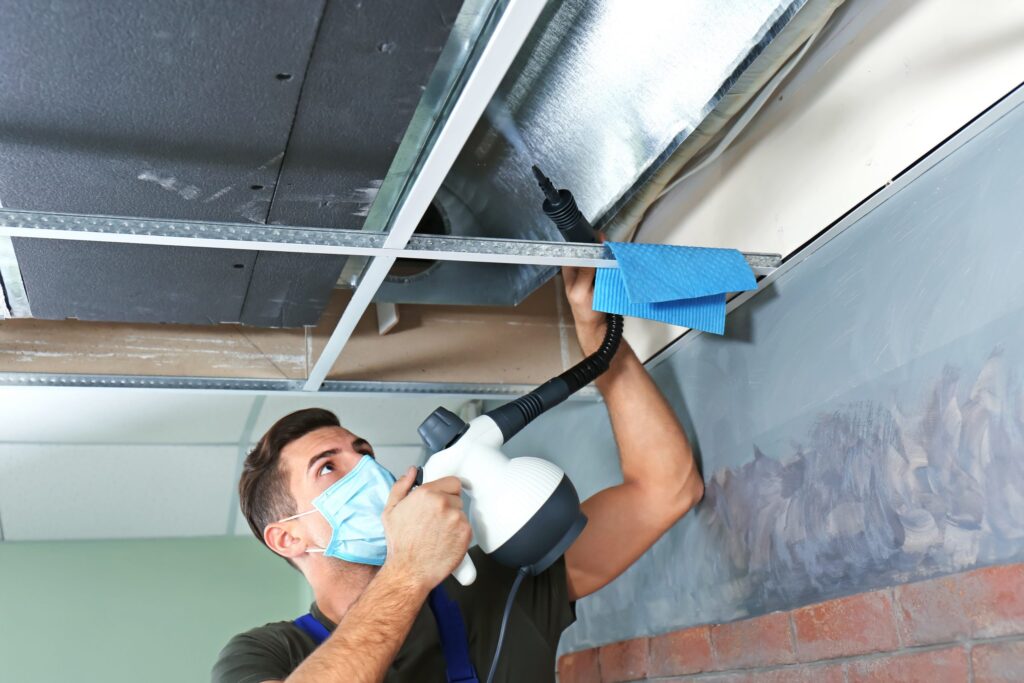
- Vacuum Loose Dust: Using a vacuum cleaner with a HEPA filter, carefully remove loose dust and debris from all surfaces inside the plenum. Move slowly to avoid stirring up particles.
- Brush and Wipe Surfaces: For stubborn dust, use a soft-bristle brush to dislodge particles from corners and seams. Wipe down surfaces with a slightly damp microfiber cloth to capture remaining dust.
- Check and Clean Connected Ducts: If you notice dust extending into the ductwork, consider cleaning those sections as well. For tips, see our article on how to use a leaf blower for vent cleaning.
- Reassemble and Test: Once all dust is removed, replace the access panel and secure it. Restore power to the HVAC system and run it briefly to ensure proper operation.
Best Practices for Preventing Dust Buildup in Your Plenum
While knowing how to remove dust from a plenum box is important, prevention is even better. Here are some strategies to keep your HVAC system cleaner for longer:
- Replace air filters regularly—every 1–3 months, depending on usage and filter type.
- Seal duct joints and connections to prevent leaks that draw in dust.
- Keep the area around your HVAC unit clean and free of clutter.
- Schedule professional duct cleaning every few years, or sooner if you notice persistent dust or allergy symptoms.
- Monitor for signs of moisture in air ducts to avoid mold and further contamination.
When to Call a Professional for Plenum Cleaning
Some situations require expert attention. If you encounter any of the following, it’s best to contact a certified HVAC technician:
- Visible mold growth or strong musty odors
- Heavy dust deposits that cannot be removed with household tools
- Water damage or rust inside the plenum box
- Unusual noises or airflow issues after cleaning
Professionals use specialized equipment, such as negative air machines and high-powered vacuums, to clean plenum boxes and ductwork thoroughly. For a detailed DIY approach to duct cleaning, see this step-by-step guide to cleaning heating and air conditioning ducts yourself.
Additional Tips for Maintaining a Clean HVAC System
Beyond the plenum, keeping your entire HVAC system clean will help maintain indoor air quality and system efficiency. Here are a few more tips:
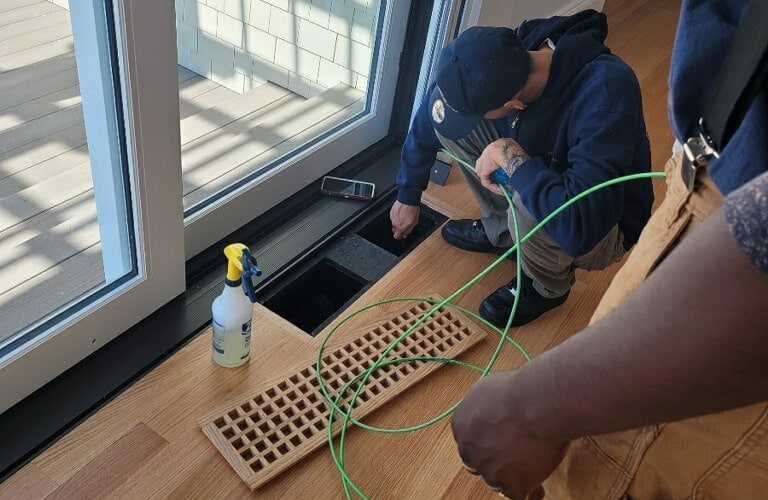
- Inspect and clean supply and return vents regularly.
- Consider using a HEPA air scrubber during cleaning to capture airborne dust.
- Check for and remove any obstructions around vents and intakes.
- Learn about how to clean a heat recovery ventilator for comprehensive system care.
Frequently Asked Questions
How often should a plenum box be cleaned?
For most residential systems, inspecting and cleaning the plenum box every 2–3 years is sufficient. However, if you have pets, allergies, or live in a dusty environment, more frequent checks are recommended.
Is it safe to clean a plenum box myself?
Yes, as long as you follow safety precautions—such as turning off the system and wearing protective gear—most homeowners can handle light to moderate dust removal. For severe buildup or mold, professional cleaning is advised.
What are the signs that my plenum box needs cleaning?
Common indicators include visible dust around vents, reduced airflow, increased allergy symptoms, and unusual odors when the HVAC system is running. Regular inspection helps catch these issues early.