Keeping your portable heater running safely and efficiently is essential, especially during colder months when these appliances see the most use. Over time, dust, lint, and debris can build up inside the vent, restricting airflow and increasing the risk of overheating or even fire. Learning how to clean a portable heater vent is a straightforward but crucial task that can help maintain indoor air quality and extend the life of your device.
This guide will walk you through the step-by-step process of cleaning your heater vent, discuss the tools you’ll need, and highlight important safety tips. We’ll also cover how regular maintenance can prevent common issues and when to seek professional help. For those interested in broader vent cleaning methods, you might also find value in reading about how to use a leaf blower for vent cleaning to tackle other areas of your home.
Why Regular Heater Vent Cleaning Matters
Portable heaters are designed to provide convenient warmth, but their vents can quickly accumulate dust and debris. This buildup can block airflow, causing the heater to work harder and potentially overheat. In severe cases, clogged vents may even pose a fire hazard. Regularly cleaning the vent not only improves performance but also enhances safety for everyone in your home.
Besides safety, a clean vent can help your heater operate more efficiently, saving you money on energy bills. It also reduces the amount of dust and allergens circulating in your living space, which is especially important for those with allergies or respiratory conditions.
Essential Tools and Materials for Cleaning
Before you start, gather the following supplies to ensure a thorough and safe cleaning process:
- Soft-bristled brush or old toothbrush
- Vacuum cleaner with hose attachment
- Microfiber cloths
- Compressed air canister (optional)
- Protective gloves and mask
- Phillips or flathead screwdriver (if vent cover needs removal)
Having these tools on hand will make the job easier and help you reach all the nooks and crannies inside the vent.
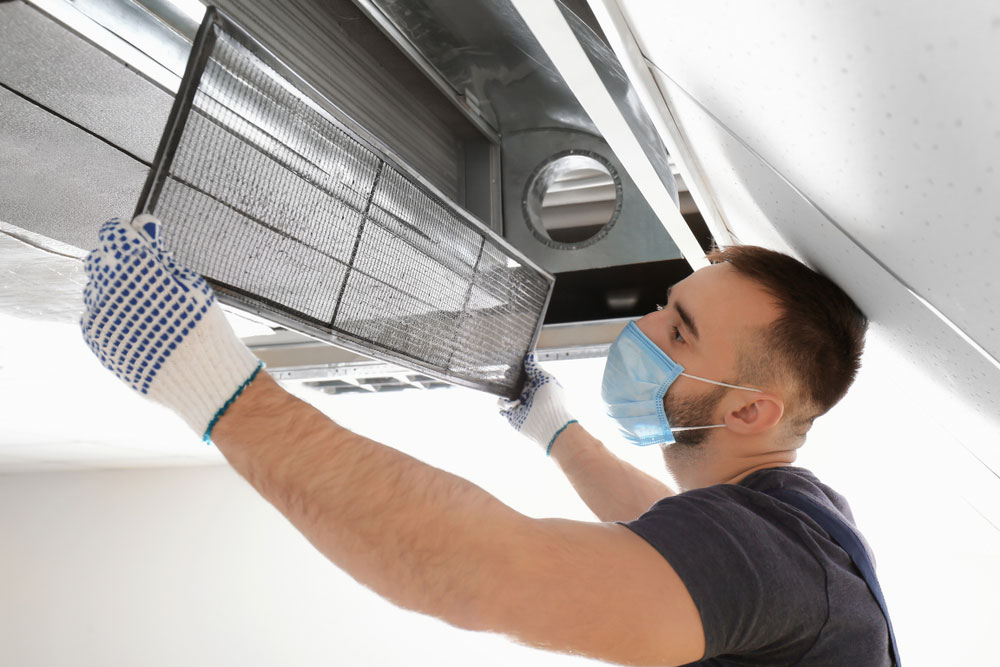
Step-by-Step Guide: Cleaning Your Portable Heater Vent
Follow these steps to safely and effectively clean the vent on your portable heater:
- Unplug the Heater: Always disconnect your heater from the power source before starting any cleaning. This prevents accidental shocks and ensures your safety.
- Allow the Heater to Cool: If the heater has been in use, let it cool completely before handling it.
- Remove the Vent Cover: Some models have a removable vent cover secured by screws. Use a screwdriver to carefully detach it. If your heater’s vent is not removable, proceed to the next step.
- Brush Away Loose Debris: Use a soft-bristled brush or old toothbrush to gently dislodge dust and dirt from the vent slats and surrounding areas.
- Vacuum the Vent: With the brush attachment, vacuum the vent area thoroughly to remove loosened debris. Pay special attention to corners and tight spaces.
- Use Compressed Air (Optional): For stubborn dust in hard-to-reach areas, use a can of compressed air to blow debris out of the vent.
- Wipe Down Surfaces: Finish by wiping the vent and surrounding surfaces with a damp microfiber cloth. Make sure everything is dry before reassembling.
- Reattach the Vent Cover: If you removed the cover, securely fasten it back in place.
- Plug In and Test: Reconnect the heater to power and turn it on to ensure proper airflow and operation.
For more detailed instructions on cleaning other types of vents, you can refer to this comprehensive guide on DIY air duct cleaning.
How Often Should You Clean Your Heater Vent?
The frequency of cleaning depends on how often you use your heater and the environment in which it operates. As a general rule, inspect and clean the vent at least once every season. If you have pets, smoke indoors, or live in a dusty area, you may need to clean it more frequently.
Regular maintenance not only keeps your heater running smoothly but also helps you spot signs of wear or damage early. If you notice persistent dust buildup or reduced airflow even after cleaning, it may be time to consider a deeper inspection or professional servicing.
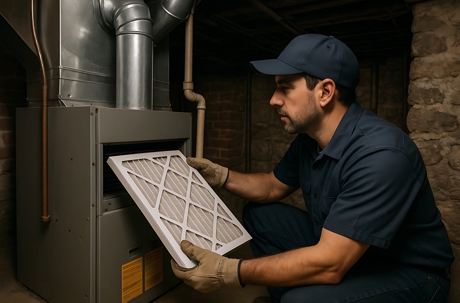
Common Mistakes to Avoid When Cleaning Heater Vents
While the process is simple, there are a few common pitfalls to watch out for:
- Skipping the Power Disconnect: Never clean the vent while the heater is plugged in or still hot.
- Using Excess Water: Avoid soaking the vent or internal components. Too much moisture can damage electrical parts.
- Forcing Tools Into Tight Spaces: Be gentle to avoid bending or breaking vent slats.
- Neglecting Regular Maintenance: Waiting too long between cleanings can lead to stubborn buildup and reduce heater efficiency.
If you’re interested in keeping other ventilation systems in top shape, check out advice on how to clean pleated air filters for better air quality and equipment longevity.
When to Call a Professional
If you encounter persistent issues such as strange odors, visible mold, or the heater continues to overheat after cleaning, it’s best to consult a qualified technician. Professional cleaning services can safely address deep-seated problems and ensure your appliance is functioning properly.
Additionally, if you’re unsure about disassembling your heater or notice any damaged parts, seeking expert help can prevent accidental injury or further damage to your device.
FAQs About Portable Heater Vent Cleaning
Can I use household cleaners on my heater vent?
It’s best to avoid harsh chemicals or abrasive cleaners. Use a damp microfiber cloth and mild soap if necessary, but ensure all parts are completely dry before reassembling and using the heater.
What are signs that my heater vent needs cleaning?
Reduced airflow, unusual noises, a burning smell, or visible dust buildup are all indicators that your vent requires attention. Regular inspection helps catch these issues early.
Is it safe to use a vacuum cleaner on the vent?
Yes, using a vacuum with a hose or brush attachment is a safe and effective way to remove dust and debris from the vent. Just make sure the heater is unplugged and cool before starting.
Conclusion
Maintaining a clean vent on your portable heater is a simple yet vital step for both safety and efficiency. By following the steps outlined above and staying consistent with seasonal maintenance, you can enjoy reliable warmth and peace of mind. For those interested in learning more about related topics, consider reading about how to clean a heat recovery ventilator or recognizing signs of moisture in air ducts to further improve your home’s air quality and safety.