Renovation projects often leave behind a fine layer of drywall dust that can find its way into your home’s air vents. If left unaddressed, this dust can circulate throughout your living spaces, affecting air quality and potentially causing respiratory irritation. Knowing how to remove drywall dust from vents after renovation is essential for maintaining a healthy indoor environment and ensuring your HVAC system operates efficiently.
This guide will walk you through practical steps to clear out construction dust from your ductwork and vents, highlight the importance of thorough cleaning, and share tips for preventing future buildup. For those interested in broader duct maintenance, you may also want to explore how to clean insulated ductwork safely for additional strategies.

Why Drywall Dust in Air Vents Is a Problem
Drywall dust is extremely fine and lightweight, making it easy for particles to travel through your home’s ventilation system. When this dust accumulates in vents and ductwork, it can:
- Reduce indoor air quality by circulating allergens and irritants.
- Clog air filters, forcing your HVAC system to work harder.
- Settle on surfaces, leading to more frequent cleaning needs.
- Potentially trigger symptoms of sick building syndrome, especially in sensitive individuals.
Addressing this issue promptly after any remodeling project helps protect your family’s health and prolongs the life of your HVAC equipment.
Essential Tools and Supplies for Cleaning Vents
Before you begin, gather the following items to ensure a thorough and safe cleaning process:
- Vacuum cleaner with a HEPA filter
- Microfiber cloths or dusting brushes
- Screwdriver (to remove vent covers)
- Bucket of warm, soapy water
- Protective gloves and a dust mask
- Replacement air filters (if needed)
- Optional: HEPA air scrubber for enhanced dust removal
Step-by-Step Guide to Clearing Construction Dust From Vents
Follow these steps to effectively remove drywall residue from your air vents and ductwork:
1. Turn Off the HVAC System
Before starting, switch off your heating or cooling system. This prevents dust from circulating while you clean and keeps you safe while working around vents.
2. Remove and Clean Vent Covers
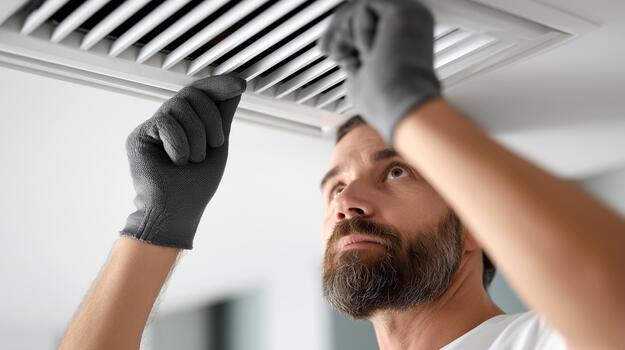
Use a screwdriver to detach vent covers from walls, floors, or ceilings. Take them outside if possible, and shake off loose dust. Wash the covers in warm, soapy water, rinse thoroughly, and allow them to dry completely before reinstalling.
3. Vacuum Inside the Ducts
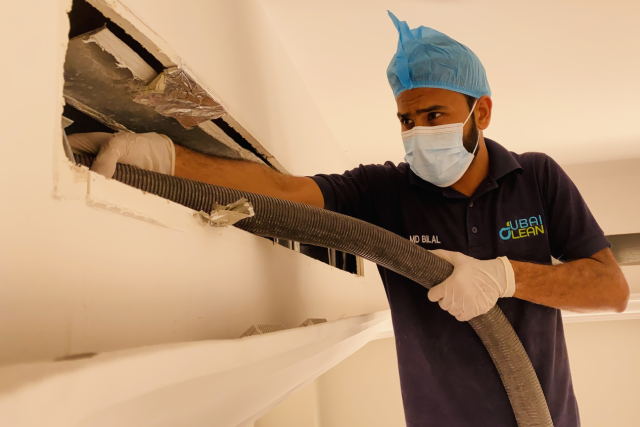
Using a vacuum with a HEPA filter, carefully reach into the duct opening and remove as much dust as possible. A hose attachment or brush can help dislodge stubborn debris. Take care not to damage duct insulation or flexible ductwork.
For more detailed duct cleaning, consider learning about the negative air pressure cleaning method, which professionals often use to extract dust from deep within the system.
4. Wipe Down Accessible Surfaces
After vacuuming, use a damp microfiber cloth to wipe the inside edges of the vent and any reachable duct surfaces. This step helps capture any remaining fine dust particles that the vacuum may have missed.
5. Replace or Clean Air Filters
Drywall dust can quickly clog standard air filters. Check your HVAC filter and replace it if it appears dirty or gray. For homes with ongoing renovations, consider upgrading to a HEPA filter for better dust capture.
6. Run an Air Scrubber or Purifier
If you have access to a HEPA air scrubber, run it in the affected area for several hours after cleaning. This device can help remove airborne particles that may have escaped during the process, further improving indoor air quality.
When to Call a Professional for Post-Renovation Duct Cleaning
While many homeowners can handle basic vent cleaning, there are situations where professional help is recommended:
- You notice persistent dust or musty odors even after cleaning.
- There are signs of mold or moisture inside the ducts.
- Your HVAC system is not functioning efficiently after renovations.
- The ductwork is extensive or difficult to access.
Professional duct cleaners use specialized equipment and methods, such as negative air machines and high-powered vacuums, to ensure a thorough job. For a detailed look at what’s involved, see this step-by-step explanation of the air duct cleaning process.
Tips to Prevent Drywall Dust From Entering Vents During Remodeling
Prevention is always easier than cleanup. Here are practical steps to minimize dust infiltration during your next renovation:
- Seal off vent openings with plastic and painter’s tape before work begins.
- Keep doors to work areas closed and use zip walls or barriers.
- Run a portable HEPA air scrubber during dusty activities.
- Change HVAC filters more frequently during and after construction.
- Schedule a professional duct cleaning after major projects.
For more strategies, check out these ways to keep ducts clean during remodeling and reduce the risk of future dust problems.
Recognizing the Signs of Dust-Related Air Quality Issues
Even after cleaning, it’s important to monitor your home for symptoms that may indicate lingering dust in your ventilation system:
- Increased allergy or asthma symptoms among household members
- Visible dust settling quickly on surfaces
- Unpleasant or musty odors from vents
- Unusual noises or reduced airflow from HVAC registers
If these issues persist, further inspection or a professional cleaning may be necessary. Persistent problems can sometimes contribute to symptoms of sick building syndrome from ducts, so prompt action is wise.
Frequently Asked Questions
How often should I clean my vents after a renovation?
It’s best to clean all vents and replace air filters immediately after any major drywall work or remodeling. For ongoing projects, check and clean vents weekly until construction is complete and dust levels return to normal.
Can drywall dust damage my HVAC system?
Yes, excessive dust can clog filters, coat blower fans, and reduce the efficiency of your HVAC system. Over time, this can lead to higher energy bills and potential breakdowns if not addressed.
Is it safe to use my HVAC system during renovations?
It’s generally recommended to turn off your HVAC system during the dustiest phases of renovation and seal off vents to prevent dust from entering ductwork. After the work is finished, clean all vents and replace filters before resuming normal use.
What type of air filter is best for capturing drywall dust?
HEPA filters are the most effective at trapping fine particles like drywall dust. If your HVAC system is compatible, consider upgrading to a HEPA filter during and after renovation projects.
Conclusion
Removing drywall dust from your home’s vents after remodeling is crucial for maintaining healthy indoor air and protecting your HVAC system. By following the steps outlined above—vacuuming, wiping, replacing filters, and using air scrubbers—you can restore clean airflow and reduce the risk of lingering dust. For complex situations or persistent issues, don’t hesitate to consult a professional duct cleaning service. Taking these actions will help ensure your home remains comfortable, safe, and dust-free after any renovation.