Cobwebs in air vents are not only unsightly but can also affect indoor air quality and airflow efficiency. If you’ve noticed dusty webs clinging to your vent covers or lurking inside ductwork, it’s important to address them promptly. Clearing out these spider webs helps maintain a cleaner home environment, reduces allergens, and keeps your HVAC system running smoothly. This guide will walk you through practical steps and expert tips for tackling this common household issue efficiently and safely.
Before you begin, it’s helpful to understand why cobwebs tend to accumulate in vents. Air ducts provide dark, undisturbed spaces that attract spiders and collect dust, making them prime spots for web formation. Regular cleaning and a few preventive measures can keep these problems at bay. For those interested in broader duct maintenance, you might also want to explore how to clean insulated ductwork safely for a more comprehensive approach.

Why Cobwebs Form in Air Vents
Air vents and ducts are ideal environments for spiders due to their darkness, warmth, and low levels of disturbance. Over time, dust and debris carried by airflow can cling to these webs, making them more visible and harder to remove. Ignoring these webs can lead to a buildup of dust, allergens, and even impact the efficiency of your HVAC system.
In addition to affecting air quality, cobwebs can signal that your ducts need a deeper cleaning. If you notice persistent buildup, it may be time to review your cleaning routine or consider professional help. For those dealing with seasonal allergens, see our advice on how to remove pollen from ventilation for additional tips.
Essential Tools and Supplies for Clearing Cobwebs
Having the right tools makes the process of removing spider webs from vents much easier and more effective. Here’s what you’ll need:
- Vacuum cleaner with hose and brush attachments
- Microfiber cloths or dusters with extendable handles
- Screwdriver (for removing vent covers)
- Mild cleaning solution (such as dish soap and water)
- Protective gloves and mask (to avoid dust and allergens)
- Flashlight (for inspecting inside ducts)
For deeper cleaning or if you’re concerned about air quality, consider using a HEPA air scrubber to capture fine particles and allergens.
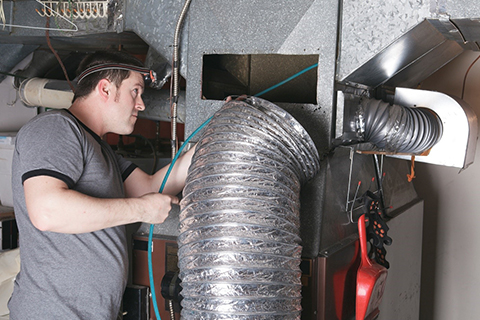
Step-by-Step Guide to Removing Spider Webs From Vents
Follow these steps to safely and efficiently clear cobwebs from your air vents:
- Turn off your HVAC system. This prevents dust and debris from circulating while you clean.
- Remove vent covers. Use a screwdriver to carefully detach covers from the wall, ceiling, or floor. Place screws in a safe spot.
- Vacuum loose webs and dust. Use the hose and brush attachment to gently remove visible webs from both the vent cover and the duct opening.
- Wipe down surfaces. Dampen a microfiber cloth with a mild cleaning solution and wipe both sides of the vent cover. For stubborn webs, a duster with an extendable handle can help reach deeper into the duct.
- Inspect inside the duct. Shine a flashlight into the duct to check for additional webs or debris. If you see buildup beyond your reach, consider using a flexible vacuum attachment or consult a professional.
- Dry and reinstall vent covers. Make sure covers are completely dry before reattaching them to prevent mold growth.
- Turn your HVAC system back on. Enjoy improved airflow and a cleaner home environment.
For more advanced cleaning, including agitation techniques that dislodge stubborn debris, see our article on understanding duct agitation techniques.
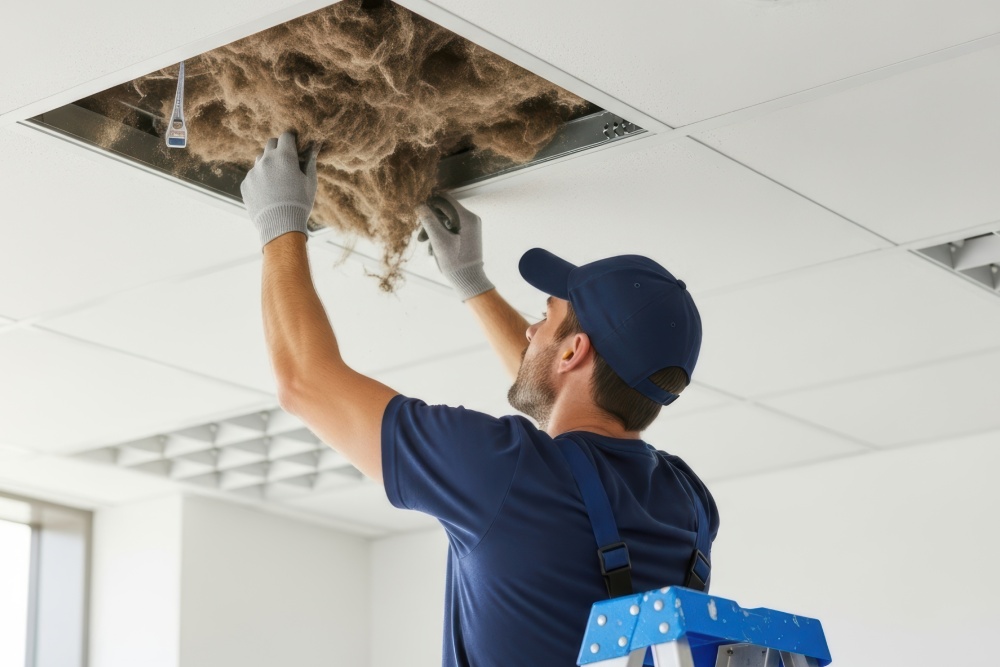
Tips for Preventing Cobwebs in Air Ducts
Once you’ve cleared out existing webs, a few simple habits can help keep your vents free of spider webs and dust:
- Regular dusting and vacuuming: Clean vent covers and surrounding areas weekly to prevent buildup.
- Change HVAC filters frequently: Replace filters every 1–3 months to reduce dust and improve air quality.
- Seal gaps and cracks: Check for and seal any openings around vents that could allow insects or spiders to enter.
- Schedule annual duct cleaning: Professional cleaning can remove deep-seated dust and webs that DIY methods might miss.
- Use air purifiers: Devices with HEPA filters can help capture airborne particles and reduce the likelihood of web formation.
If you’re curious about the broader impact of dust and debris on your HVAC system, our article on the impact of dirty ducts on air conditioning cooling offers valuable insights.
When to Call a Professional for Duct Cleaning
While most homeowners can handle routine vent cleaning, there are situations where professional help is recommended. If you notice persistent cobwebs, musty odors, visible mold, or reduced airflow even after cleaning, it’s time to consult an expert. Professionals use specialized equipment to reach deep inside ductwork and ensure thorough removal of debris and contaminants.
For those considering a do-it-yourself approach to duct cleaning, it’s important to understand the limitations. Some tasks, like removing surface webs, are manageable, but deeper cleaning may require professional tools and expertise. For more on this topic, see this detailed guide on DIY air duct cleaning.
Maintaining Clean Vents Year-Round
Keeping your air vents free of spider webs and dust is an ongoing task. Incorporate vent cleaning into your regular home maintenance routine, and stay alert for signs of buildup. If you use alternative cooling systems, such as swamp coolers, check out our advice on how to clean swamp cooler ducts for targeted tips.
By staying proactive, you’ll enjoy cleaner air, better system performance, and a more comfortable home environment.
Frequently Asked Questions
How often should I clean my air vents to prevent cobwebs?
It’s best to dust and vacuum vent covers at least once a month. For deeper cleaning, inspect and clean inside the ducts every 6–12 months, or more frequently if you notice visible webs or dust buildup.
Are cobwebs in vents a sign of a bigger problem?
Occasional spider webs are common, but persistent buildup can indicate excess dust, poor filtration, or gaps that allow pests inside. If you notice recurring webs, consider checking your HVAC filters and sealing any openings around vents.
Can I use chemical sprays to remove cobwebs from vents?
It’s generally not recommended to use harsh chemicals inside air ducts, as residues can circulate through your home. Stick to mild cleaning solutions and mechanical removal methods like vacuuming and dusting for safe and effective results.