Maintaining a clean and efficient HVAC system is essential for healthy indoor air quality and optimal energy performance. One of the most effective ways to achieve a thorough clean is by using specialized agitation methods inside ductwork. Understanding duct agitation techniques helps homeowners, facility managers, and cleaning professionals ensure that dust, debris, and contaminants are properly dislodged and removed during a deep cleaning session.
Agitation is a critical step in the duct cleaning process, as it loosens stubborn buildup that simple vacuuming or airflow cannot remove. With the right approach, both residential and commercial systems can benefit from improved airflow, reduced allergens, and longer equipment life. For those interested in specific cleaning challenges, such as how to clean insulated ductwork safely, it’s important to understand how agitation fits into the overall maintenance plan.
Why Agitation Matters in Duct Cleaning
Simply vacuuming or blowing air through ducts is rarely enough to remove the fine dust, pet dander, mold spores, and other contaminants that accumulate over time. Duct agitation methods are designed to physically disturb and break up these deposits, making it possible for extraction equipment to capture and remove them effectively.
- Improved contaminant removal: Agitation dislodges particles stuck to duct walls, ensuring a more complete clean.
- Enhanced air quality: Removing built-up debris reduces allergens and irritants circulating in the air.
- System efficiency: Clean ducts allow air to flow freely, reducing strain on HVAC components and lowering energy bills.
For those dealing with seasonal issues, such as how to remove pollen from ventilation, agitation can be especially helpful in clearing out fine, sticky particles that settle deep within ductwork.
Types of Duct Agitation Tools and Methods
There are several ways to agitate and loosen debris inside air ducts. The choice of method often depends on the type of ductwork, the level of contamination, and whether the cleaning is being performed in a home or a commercial facility. Here are the most common techniques:
Mechanical Brushes
Rotary brush systems are among the most widely used agitation tools. These devices feature spinning bristles that scrub the interior surfaces of ducts as they move through the system. Mechanical brushes are especially effective for:
- Removing caked-on dust and debris
- Dislodging pet hair and lint
- Scrubbing away mold or mildew patches
Brushes come in various sizes and stiffness levels, allowing technicians to match the tool to the duct material and diameter.
Air Whips and Skipper Balls
Air-driven agitation tools use compressed air to power flexible whips or rubber balls that thrash against duct walls. These tools are ideal for:
- Loosening fine dust in hard-to-reach corners
- Clearing out lightweight debris without damaging delicate duct linings
- Working around bends and joints
Air whips are often used in conjunction with powerful vacuums to ensure that loosened particles are immediately extracted from the system.

Manual Agitation Tools
For smaller jobs or sensitive ductwork, technicians may use hand-held brushes, scrapers, or even microfiber cloths to gently agitate surfaces. Manual methods are appropriate for:
- Spot cleaning problem areas
- Delicate or older duct materials
- Areas where powered tools cannot reach
While more labor-intensive, manual agitation can be very effective when combined with vacuum extraction.
Best Practices for Effective Duct Agitation
To maximize the benefits of agitation, it’s important to follow industry best practices. Here are some key guidelines:
- Inspect before cleaning: Always assess the ductwork for damage, insulation, or heavy contamination before selecting agitation tools.
- Choose the right method: Match the agitation technique to the duct type and level of buildup. For example, insulated or flexible ducts may require gentler tools to avoid damage.
- Combine agitation with vacuuming: Use high-efficiency vacuums (preferably with HEPA filters) to capture debris as it’s dislodged, preventing it from re-entering the air.
- Work systematically: Clean one section at a time, ensuring all surfaces are agitated and all debris is removed before moving on.
- Follow up with filtration: After cleaning, consider using a HEPA air scrubber to remove any remaining airborne particles and maintain indoor air quality.
For more on keeping your system clean and efficient, see our article on the impact of dirty ducts on air conditioning cooling.
Common Challenges and Solutions in Duct Agitation
While agitation is highly effective, it’s not without its challenges. Here are some common issues and how to address them:
- Fragile ductwork: Older or poorly installed ducts can be damaged by aggressive agitation. Always use the least abrasive tool necessary and inspect for damage as you go.
- Heavy contamination: In cases of severe buildup, multiple passes with different agitation tools may be required. For example, start with a brush and finish with an air whip.
- Mold or biological growth: If you encounter mold, use agitation to remove surface growth, but follow up with antimicrobial treatments. For a detailed approach, refer to our guide to antimicrobial duct treatment.
- Limited access: Some ducts have tight bends or are located in hard-to-reach areas. Flexible whips or manual tools can help, but sometimes partial disassembly of the system is necessary.
DIY vs. Professional Duct Agitation
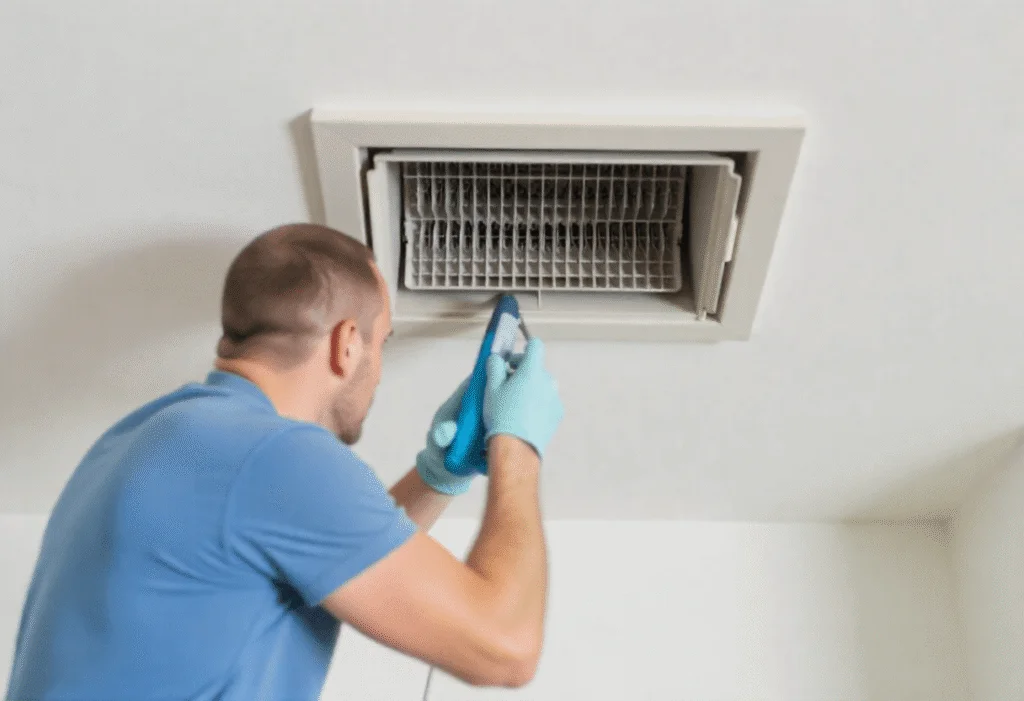
Many homeowners wonder if they can perform duct agitation themselves or if professional help is necessary. While basic cleaning tasks can be tackled with household vacuums and brushes, achieving a true deep clean with agitation often requires specialized equipment and expertise.
- DIY cleaning: Suitable for light dust and accessible ducts. For step-by-step instructions, see this comprehensive guide to cleaning air ducts yourself.
- Professional cleaning: Recommended for homes with pets, allergies, visible mold, or after renovations. Professionals use advanced agitation tools and high-powered vacuums to ensure thorough results.
For unique systems, such as swamp coolers, check out our tips on how to clean swamp cooler ducts for proper care and agitation methods.
Frequently Asked Questions
How often should duct agitation be performed?
Most experts recommend a deep cleaning with agitation every 3–5 years for typical homes. However, households with pets, allergies, or recent construction may benefit from more frequent cleaning.
Can agitation damage my ductwork?
When performed correctly and with the right tools, agitation is safe for most duct systems. It’s important to use gentle methods for flexible or insulated ducts and to inspect for damage before and after cleaning.
Is agitation necessary if I use a high-powered vacuum?
Yes, even the strongest vacuums can’t remove debris that is stuck to duct walls. Agitation is essential for loosening particles so they can be effectively extracted.
Conclusion
Mastering the use of duct agitation techniques is key to achieving a truly clean and healthy HVAC system. Whether you’re a homeowner tackling a DIY project or a professional aiming for the highest standards, understanding the right tools and methods for your ductwork ensures better air quality, improved system efficiency, and peace of mind. By combining agitation with proper extraction and filtration, you can maintain a cleaner, safer indoor environment for years to come.