Maintaining a comfortable indoor environment during hot months relies heavily on the efficiency of your air conditioning system. However, many homeowners overlook the significant impact of dirty ducts on air conditioning cooling performance. When dust, debris, and other contaminants accumulate inside ductwork, they can restrict airflow, reduce system efficiency, and even compromise indoor air quality. Understanding how neglected ducts affect your cooling system is essential for both comfort and energy savings.
Before diving into the technical aspects, it’s important to recognize that regular duct maintenance offers more than just cleaner air—it also supports optimal cooling and can extend the lifespan of your HVAC equipment. For those interested in a deeper dive into the benefits of clean ductwork, consider exploring the long term benefits of clean air ducts for homeowners.
How Dirty Ducts Affect Airflow and Cooling Efficiency
The primary function of ductwork is to distribute cooled air throughout your home. When ducts become clogged with dust, pet dander, mold spores, or even pests, the flow of air is restricted. This restriction forces your air conditioner to work harder, often resulting in uneven cooling, longer run times, and higher energy bills. The impact of dirty ducts on air conditioning cooling is most noticeable when certain rooms feel warmer than others or when the system struggles to reach the desired temperature.
Obstructed airflow can also cause your system’s evaporator coil to freeze, further reducing cooling capacity and potentially leading to costly repairs. Over time, the added strain on your air conditioner can shorten its operational life, making regular duct cleaning a wise investment for both comfort and cost savings.
Signs Your Ducts May Be Compromising Cooling Power
Recognizing when your ductwork is affecting your air conditioner’s performance can help you address issues before they escalate. Common indicators include:
- Reduced airflow from vents, even when the system is running at full capacity.
- Uneven temperatures throughout the home, with some rooms remaining warm.
- Increased dust accumulation on surfaces shortly after cleaning.
- Unusual odors coming from vents, often musty or stale.
- Frequent filter changes needed due to excessive debris.
If you notice any of these symptoms, it’s likely that your ductwork is contributing to reduced cooling efficiency. Addressing these issues promptly can help restore your system’s performance and improve indoor comfort.
Energy Consumption and System Wear
One of the most significant consequences of neglected ductwork is increased energy usage. When ducts are blocked or coated with grime, your air conditioner must run longer to achieve the same cooling effect. This not only drives up utility bills but also accelerates wear and tear on system components.
According to HVAC experts, even a small buildup of dust and debris can reduce system efficiency by up to 20%. Over time, this inefficiency can lead to premature equipment failure, necessitating expensive repairs or even full system replacement. Keeping ducts clean is a straightforward way to protect your investment and ensure your home stays cool during peak summer months.
Indoor Air Quality and Health Considerations
While the impact of dirty ducts on air conditioning cooling is often measured in comfort and cost, there are also important health implications. Contaminants trapped in ductwork can be circulated throughout your home every time the system runs, aggravating allergies, asthma, and other respiratory conditions. Mold growth inside ducts is particularly concerning, as spores can spread quickly and compromise indoor air quality.
For those with sensitive immune systems or young children, maintaining clean ducts is especially important. Regular cleaning not only supports efficient cooling but also contributes to a healthier living environment.
Professional Duct Cleaning: What to Expect
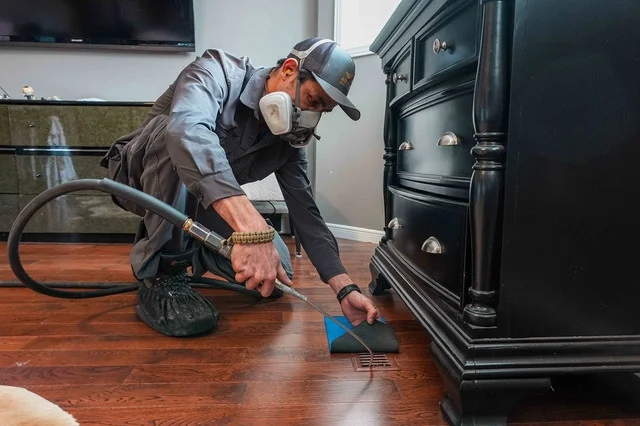
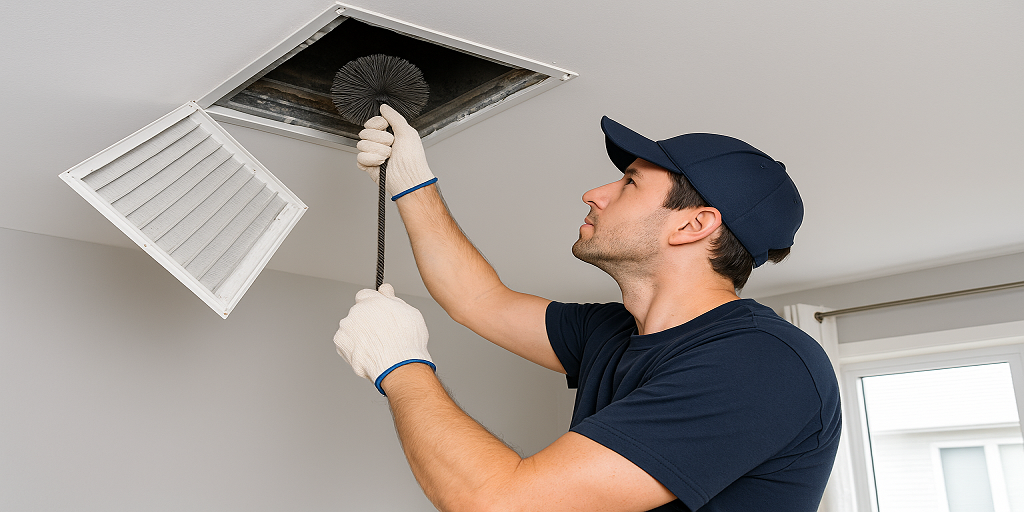
Scheduling a professional duct cleaning can help restore your air conditioning system’s performance and improve overall air quality. During the cleaning process, technicians use specialized equipment to remove dust, debris, and contaminants from the entire duct network. For a detailed overview of the steps involved, you can refer to this comprehensive explanation of the air duct cleaning process.
It’s important to choose a reputable service provider that follows industry standards and uses HEPA-filtered vacuums to prevent contaminants from re-entering your home. After cleaning, many homeowners notice immediate improvements in airflow, cooling consistency, and even a reduction in dust accumulation.
Preventive Maintenance for Optimal Cooling
Proactive care is the best way to minimize the negative effects of dirty ductwork. Here are a few practical steps to help maintain your system’s cooling power:
- Change HVAC filters regularly, ideally every 1–3 months depending on usage and household conditions.
- Schedule professional duct cleaning every 3–5 years, or more frequently if you have pets, allergies, or recent renovations.
- Inspect visible ductwork for signs of dust buildup, leaks, or mold growth.
- Seal any leaks or gaps in ducts to prevent contaminants from entering and to improve system efficiency.
- Consider using a HEPA air scrubber to further enhance indoor air quality and reduce the burden on your HVAC system.
If you’re interested in learning about cleaning methods for specific duct types, such as insulated ductwork, you may find this resource on how to clean insulated ductwork safely helpful.
When to Schedule Duct Cleaning
Knowing when to arrange for duct cleaning can help you avoid problems before they start. Consider scheduling a cleaning if:
- You’ve recently completed home renovations or construction.
- There are visible signs of mold, pests, or excessive dust in your ducts.
- Family members experience unexplained allergies or respiratory issues.
- It’s been more than five years since your last professional cleaning.
Regular attention to your ductwork ensures that your air conditioning system delivers consistent, efficient cooling and maintains a healthy indoor environment.
Frequently Asked Questions
How often should ducts be cleaned to maintain cooling efficiency?
For most homes, duct cleaning every 3–5 years is sufficient. However, households with pets, allergies, or recent remodeling may benefit from more frequent service. Regular filter changes and periodic inspections can also help maintain optimal cooling performance.
Can dirty ducts cause my air conditioner to break down?
Yes, accumulated debris can force your system to work harder, leading to increased wear and tear. Over time, this can result in breakdowns or even premature system failure. Keeping ducts clean reduces strain and extends the life of your air conditioning equipment.
Are there health risks associated with dirty ductwork?
Dirty ducts can circulate dust, allergens, and mold spores throughout your home, potentially aggravating allergies and respiratory issues. Regular cleaning helps maintain healthier indoor air and reduces the risk of related health problems.