Spring brings warmer weather and blooming plants, but it also means an increase in airborne pollen. For many homeowners, this can lead to allergy symptoms and a noticeable drop in indoor air quality. One of the most effective ways to combat these issues is by addressing the buildup of pollen in your home’s ventilation system. Understanding how to remove pollen from ventilation can make a significant difference in your comfort and health during the peak allergy season.
In this guide, you’ll find practical steps for reducing pollen exposure through your HVAC system, tips for ongoing maintenance, and advice on when to seek professional help. If you’re also interested in broader ductwork care, you may want to read about how to clean insulated ductwork safely for additional insights.
Why Pollen Accumulates in Ventilation Systems
Pollen grains are lightweight and easily carried by the wind, making it simple for them to enter homes through open windows, doors, and even tiny gaps. Once inside, your HVAC system can draw these particles into the ductwork and circulate them throughout your living spaces. Over time, pollen can accumulate in air filters, vents, and ducts, leading to increased allergy symptoms and reduced system efficiency.
Regular cleaning and maintenance are essential to minimize pollen buildup and maintain healthy indoor air. Let’s look at the key steps you can take to keep your ventilation system as pollen-free as possible during spring.
Step-by-Step Guide to Minimizing Pollen in Your HVAC System
1. Upgrade and Replace Air Filters Regularly
The first line of defense against pollen is your HVAC air filter. Standard filters may not capture the smallest pollen particles, so consider upgrading to a high-efficiency particulate air (HEPA) filter or a filter with a high MERV (Minimum Efficiency Reporting Value) rating. These filters are designed to trap even the tiniest airborne particles, including pollen.
- Check your filter at least once a month during spring.
- Replace filters every 1-3 months, or more frequently if you notice visible buildup.
- Follow manufacturer recommendations for your specific HVAC system.
2. Clean Air Vents and Registers
Vents and registers can collect dust and pollen, which may be recirculated into your home. To reduce this risk:
- Turn off your HVAC system before cleaning.
- Remove vent covers and wash them with warm, soapy water.
- Use a vacuum with a brush attachment to clean inside the duct opening.
- Allow vent covers to dry completely before reinstalling.
3. Schedule Professional Duct Cleaning
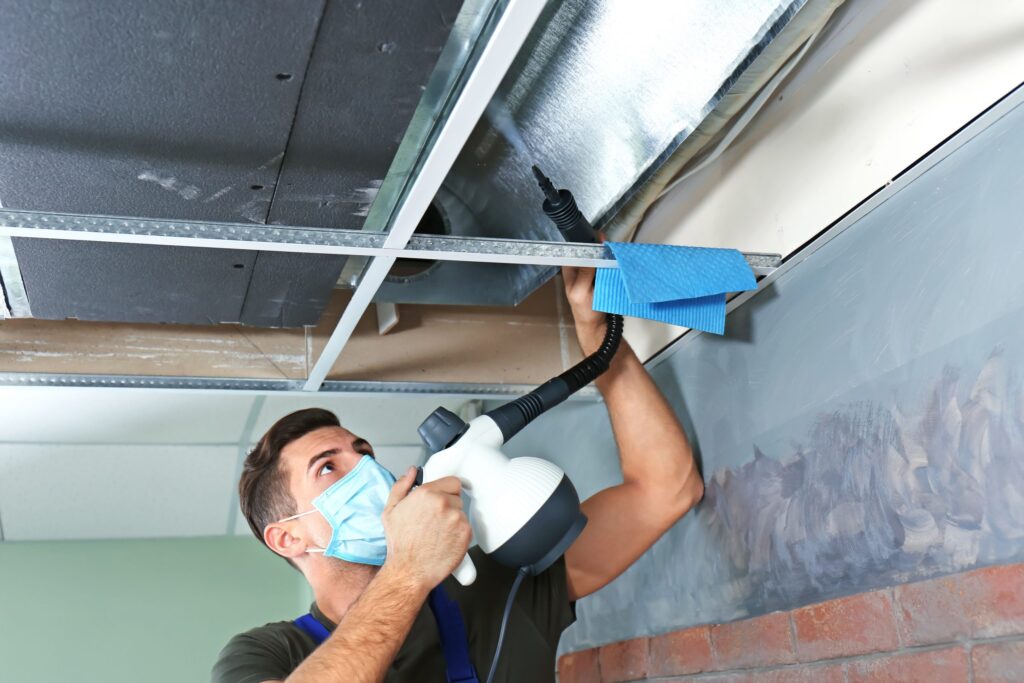
Even with diligent filter changes and vent cleaning, pollen can still accumulate deep within your ductwork. Professional duct cleaning services use specialized equipment to remove dust, pollen, and other contaminants from the entire system. This process can be especially beneficial for allergy sufferers or homes with pets and children.
If you’d like to learn more about the process, this guide to cleaning heating and air conditioning ducts yourself offers a helpful overview of what to expect and how to prepare.
4. Seal Leaks and Insulate Ductwork
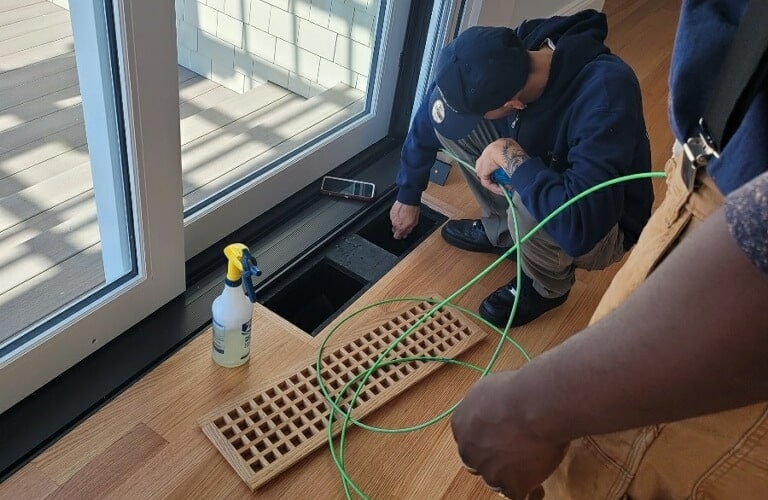
Leaks in your ductwork can draw pollen and other outdoor contaminants into your ventilation system. Sealing these leaks and ensuring proper insulation helps prevent unwanted particles from entering and improves your system’s efficiency. For more information on this topic, you can explore the long term benefits of clean air ducts for homeowners.
5. Use Air Purifiers and Scrubbers
Standalone air purifiers, especially those equipped with HEPA filters, can further reduce pollen levels in your home. Place them in high-traffic areas or rooms where you spend the most time. For even greater protection, consider investing in a HEPA air scrubber, which can be particularly effective during peak pollen season. These devices work alongside your HVAC system to capture airborne particles before they settle in your ducts.
Best Practices for Ongoing Maintenance
Consistent maintenance is key to keeping pollen at bay. Here are some strategies to help you stay ahead of pollen buildup:
- Keep windows and doors closed on high pollen days.
- Shower and change clothes after spending time outdoors to avoid tracking pollen inside.
- Vacuum carpets and upholstery regularly using a vacuum with a HEPA filter.
- Wipe down surfaces frequently to remove settled pollen dust.
- Schedule annual or biannual HVAC inspections to catch issues early.
When to Call a Professional
While many steps can be handled by homeowners, some situations require expert attention. If you notice persistent allergy symptoms, visible mold, or a musty odor coming from your vents, it’s best to contact a professional duct cleaning service. They have the tools and expertise to thoroughly remove pollen and other contaminants, restoring your indoor air quality.
For those managing unique ductwork materials or commercial properties, you may find value in reading about how to clean commercial vs residential ducts and the differences in approach.
Frequently Asked Questions
How often should I change my HVAC filter during spring?
During peak pollen season, it’s recommended to check your filter monthly and replace it every 1-3 months, or sooner if you notice visible buildup. Homes with allergy sufferers or pets may benefit from even more frequent changes.
Can I clean my air ducts myself to remove pollen?
While you can clean vent covers and accessible parts of your ducts, deep cleaning typically requires professional equipment. Attempting to clean ducts yourself without the right tools may not effectively remove all pollen and could risk damaging your system. For a safe approach, consider reading a guide to antimicrobial duct treatment for additional tips.
Are HEPA filters worth the investment for pollen control?
Yes, HEPA filters are highly effective at capturing pollen and other fine particles. Upgrading to a HEPA filter or using a HEPA air scrubber can significantly improve indoor air quality, especially during spring.
What else can I do to reduce pollen in my home?
Besides maintaining your HVAC system, keep windows and doors closed, use doormats, and clean surfaces regularly. Air purifiers and regular vacuuming with a HEPA filter also help reduce indoor pollen levels.
By following these best practices and staying proactive with your ventilation maintenance, you can enjoy cleaner, healthier air throughout the spring season and beyond.