Maintaining a clean and effective shop vac filter is essential for anyone using a vacuum for air duct cleaning. Over time, filters can become clogged with dust, debris, and contaminants, reducing suction power and potentially spreading particles back into the air. Proper filter care not only improves cleaning results but also extends the life of your equipment. This guide will walk through the practical steps to keep your shop vac filters in top condition for ductwork maintenance, ensuring optimal airflow and a healthier indoor environment.
Whether you’re a homeowner tackling routine maintenance or a professional in the HVAC industry, understanding how to clean shop vac filters for duct use is a key part of effective air quality management. Before diving into the cleaning process, it’s important to recognize the impact that dirty filters can have on your vacuum’s performance and the cleanliness of your ductwork. For more on related topics, you might also find value in our article on how to clean insulated ductwork safely.
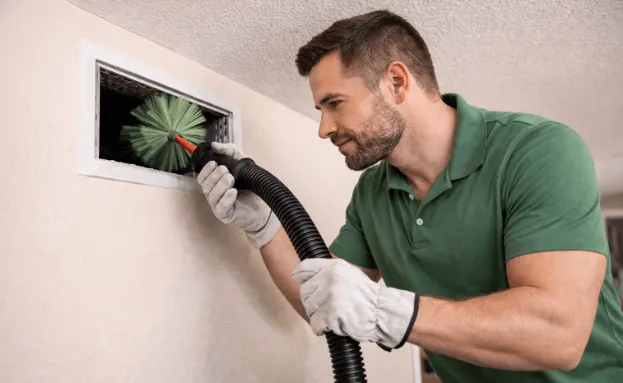
Why Filter Maintenance Matters for Duct Cleaning
Shop vacuums are widely used for cleaning air ducts due to their portability and strong suction. However, their effectiveness depends heavily on the condition of the filter. A clogged or dirty filter restricts airflow, reduces suction, and can even allow fine dust to escape back into the environment. This is especially problematic when cleaning air ducts, as the goal is to remove as much dust, pollen, and debris as possible from the system.
Neglecting filter care can also lead to premature motor wear and increased energy consumption. For those concerned about indoor air quality, using a well-maintained filter is crucial to prevent recirculating allergens and contaminants. If you’re interested in understanding the broader impact of duct cleanliness, our article on the impact of dirty ducts on air conditioning cooling provides additional insights.
Types of Shop Vac Filters Used in Ductwork Cleaning
Before starting the cleaning process, it’s important to identify which type of filter your shop vac uses. The most common types include:
- Foam Sleeve Filters: Often used for wet pickup and coarse debris.
- Cartridge Filters: Designed for fine dust and dry debris, commonly used in duct cleaning.
- HEPA Filters: Capture very fine particles and allergens, ideal for sensitive environments.
- Reusable Cloth Filters: Can be washed and reused, suitable for general debris.
Always consult your vacuum’s manual to confirm the filter type and recommended cleaning method. Using the wrong cleaning technique can damage the filter or reduce its effectiveness.
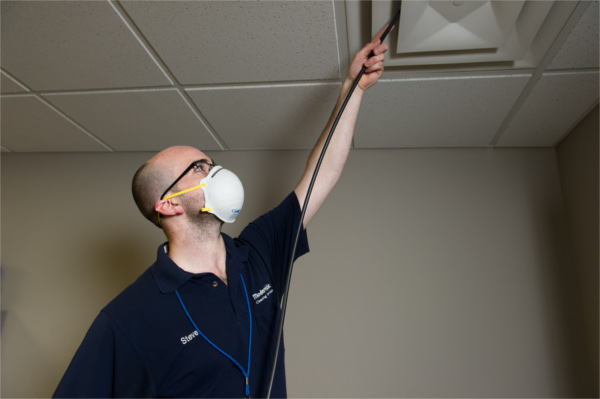
Step-by-Step Guide: Cleaning Shop Vac Filters for Duct Use
Proper filter cleaning helps maintain suction and protects your vacuum’s motor. Here’s how to clean shop vac filters for duct use effectively:
- Unplug the Shop Vac: Always disconnect the power before removing the filter to ensure safety.
- Remove the Filter: Follow the manufacturer’s instructions to detach the filter. Handle with care to avoid tearing or damaging the filter material.
- Shake Off Loose Debris: Gently tap the filter against a hard surface outdoors to dislodge dust and debris. Wear a mask to avoid inhaling particles.
- Rinse (If Applicable): For washable filters (such as foam or some cartridge types), rinse under lukewarm water. Avoid using high-pressure water, which can damage the filter media. Do not use soap unless specified by the manufacturer.
- Dry Thoroughly: Allow the filter to air dry completely before reinstalling. A damp filter can promote mold growth and reduce suction.
- Inspect for Damage: Check for tears, holes, or excessive wear. Replace the filter if it shows signs of deterioration.
- Reinstall the Filter: Once dry and inspected, place the filter back into the vacuum according to the manual.
Regular cleaning after each duct cleaning session ensures your equipment is always ready for the next job. For more advanced duct cleaning tips, see our guide to antimicrobial duct treatment.
Best Practices for Filter Longevity and Air Quality
To maximize the lifespan of your shop vac filter and maintain high air quality during duct cleaning, consider these best practices:
- Use a Pre-Filter: Installing a pre-filter or dust bag can capture larger debris, reducing the load on the main filter.
- Clean After Every Use: Especially after heavy ductwork cleaning, always clean the filter to prevent buildup.
- Store Filters Properly: Keep spare filters in a dry, dust-free environment to prevent contamination.
- Replace When Needed: Even with regular cleaning, filters have a limited lifespan. Replace them according to manufacturer guidelines or when visibly worn.
- Upgrade to HEPA: For sensitive environments or allergy concerns, consider upgrading to a HEPA filter for finer particle capture.
Maintaining your filter is just one part of a comprehensive duct cleaning strategy. If you’re dealing with seasonal allergens, our resource on how to remove pollen from ventilation can help you further improve indoor air quality.

Common Mistakes to Avoid When Cleaning Filters
Even with the best intentions, it’s easy to make mistakes that can compromise filter performance. Here are some pitfalls to avoid:
- Using Harsh Chemicals: Most filters are not designed to withstand strong detergents or solvents. Stick to water unless the manufacturer recommends otherwise.
- Reinstalling a Wet Filter: Moisture can lead to mold growth and damage the vacuum motor. Always ensure the filter is fully dry.
- Neglecting Regular Cleaning: Waiting too long between cleanings can cause permanent filter damage and reduce suction.
- Ignoring Manufacturer Instructions: Each filter type has specific care requirements. Always follow the guidance in your vacuum’s manual.
For those interested in DIY duct maintenance, this guide to cleaning your air ducts yourself offers additional practical advice.
When to Replace Your Shop Vac Filter
Even with diligent cleaning, all filters eventually need replacement. Signs that it’s time for a new filter include:
- Visible holes, tears, or thinning of the filter material
- Persistent loss of suction despite cleaning
- Unpleasant odors that don’t go away after washing
- Discoloration or mold growth
Keeping a spare filter on hand ensures you can swap out a worn or damaged filter immediately, minimizing downtime during ductwork cleaning projects.
FAQ: Shop Vac Filter Care for Ductwork Cleaning
How often should I clean my shop vac filter when using it for duct cleaning?
It’s best to clean the filter after every duct cleaning session. If you notice reduced suction or are working in a particularly dusty environment, check and clean the filter more frequently.
Can I use my shop vac without a filter for ductwork cleaning?
No, operating a shop vac without a filter can damage the motor and allow dust and debris to escape back into the air. Always use the appropriate filter for your vacuum and cleaning task.
What’s the difference between a standard and a HEPA filter for duct cleaning?
HEPA filters are designed to capture much finer particles than standard filters, making them ideal for environments where air quality is a top priority. They are especially useful for removing allergens, mold spores, and other microscopic contaminants from ductwork.
Conclusion
Properly maintaining your shop vac filter is a critical step in achieving effective and hygienic duct cleaning results. By following the steps outlined above, you can ensure your vacuum operates at peak performance, protects your indoor air quality, and lasts longer. Remember to clean your filter regularly, use the right type for your needs, and replace it when necessary. For more specialized maintenance tips, check out our article on how to clean swamp cooler ducts and continue building your knowledge for a cleaner, healthier home or workplace.