Indoor air quality is a growing concern for homeowners and businesses alike. Over time, air ducts can accumulate dust, mold, bacteria, and other contaminants that circulate throughout your living or working space. Addressing these issues often requires more than just cleaning; it calls for specialized solutions that target and neutralize harmful microorganisms. This guide to antimicrobial duct treatment will explain what antimicrobial duct treatment is, why it matters, and how it can benefit your HVAC system and overall health.
Understanding the process, benefits, and best practices for antimicrobial duct care is essential if you want to maintain a safe and healthy environment. If you’re interested in related topics, you may also find value in learning how to clean insulated ductwork safely, especially if your system includes insulated sections that require special attention.
What Is Antimicrobial Duct Treatment?
Antimicrobial duct treatment refers to the application of EPA-registered agents inside HVAC ductwork to eliminate or inhibit the growth of bacteria, mold, mildew, and viruses. Unlike standard duct cleaning, which focuses on removing dust and debris, this process targets the biological contaminants that can compromise air quality and potentially cause health issues.
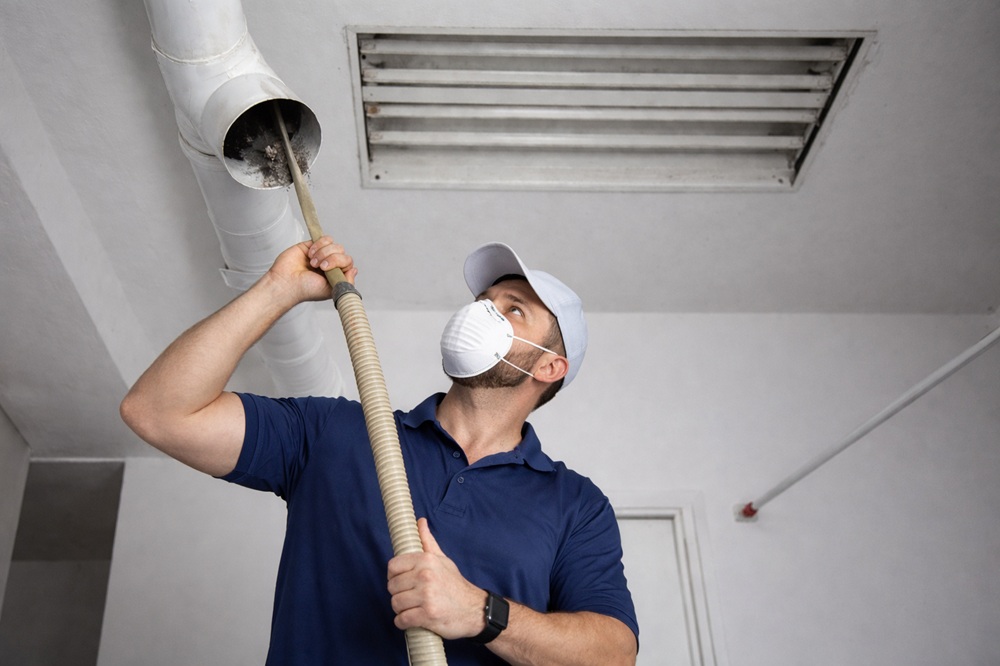
Technicians use specialized sprayers or foggers to distribute antimicrobial solutions throughout the duct system. These products are designed to be safe for indoor use and effective against a wide range of microorganisms. The treatment is often recommended after water damage, mold remediation, or in environments where occupants have allergies or respiratory sensitivities.
Why Consider Antimicrobial Solutions for Your Ducts?
There are several reasons to opt for antimicrobial treatments as part of your HVAC maintenance routine:
- Improved Indoor Air Quality: Reducing microbial growth helps prevent the spread of allergens, spores, and pathogens.
- Odor Elimination: Mold and bacteria can cause persistent musty odors that regular cleaning may not resolve.
- Health Benefits: Those with asthma, allergies, or weakened immune systems may experience fewer symptoms when ducts are treated.
- System Longevity: Keeping ducts free of biological buildup can improve airflow and reduce strain on your HVAC equipment.
For pet owners, regular duct maintenance is especially important. If you have pets, you might want to review the frequency of duct cleaning for pet owners to ensure optimal air quality in your home.
How the Antimicrobial Duct Process Works
The process of applying antimicrobial agents to ductwork involves several key steps:
- Inspection: Professionals assess the duct system for visible mold, moisture, or contamination.
- Cleaning: Ducts are thoroughly cleaned to remove dust, debris, and loose contaminants. This step is crucial for the antimicrobial treatment to be effective.
- Application: Using foggers or sprayers, technicians apply the antimicrobial solution evenly throughout the ductwork. The product is left to dwell for a specified period to ensure maximum efficacy.
- Post-Treatment Assessment: The system is re-inspected to confirm that the treatment has reached all areas and that there are no lingering issues.
When Should You Use Antimicrobial Treatments?
While not every duct system requires antimicrobial application, certain situations make it a wise choice:
- After a flood or water leak, to prevent mold and bacteria growth.
- Following mold remediation, as an added layer of protection.
- In homes or buildings with persistent odors or allergy symptoms.
- When recommended by a professional after inspection reveals microbial contamination.
It’s important to note that these treatments are not a substitute for proper cleaning or moisture control. They should be used as part of a comprehensive maintenance plan.
Choosing the Right Antimicrobial Product
Only EPA-registered products should be used for treating HVAC ducts. These products are tested for safety and effectiveness in indoor environments. Some are designed to target specific organisms, while others offer broad-spectrum protection. Always consult with a certified HVAC or remediation professional to select the appropriate solution for your needs.
For those interested in DIY approaches, it’s essential to follow all safety guidelines and manufacturer instructions. If you’re unsure, hiring a professional is the safest option.
Professional vs. DIY Antimicrobial Duct Care
While some antimicrobial sprays are marketed for home use, professional application is generally recommended for several reasons:
- Expertise: Professionals can identify hidden contamination and ensure even coverage throughout the duct system.
- Equipment: Specialized foggers and sprayers provide better distribution than consumer-grade products.
- Safety: Trained technicians know how to handle chemicals safely and prevent accidental exposure.
- Compliance: Professionals use only approved products and follow industry standards.
If you’re comparing residential and commercial duct systems, you may also want to explore the differences in cleaning commercial vs. residential ducts to understand the unique challenges each presents.

Best Practices for Maintaining Treated Ducts
After your ducts have been treated with antimicrobial agents, ongoing maintenance is key to preserving indoor air quality. Here are some recommendations:
- Change HVAC filters regularly to prevent dust buildup.
- Address moisture issues promptly to avoid mold growth.
- Schedule routine inspections and cleanings as advised by professionals.
- Consider using HEPA air scrubbers to further reduce airborne contaminants. You can find high-quality options by following the Buy HEPA Air Scrubber link in this article.
For more information on cleaning specific components, such as vent covers, see this resource on how to clean magnetic vent covers without causing damage.
Common Myths About Antimicrobial Duct Treatments
There are several misconceptions about antimicrobial applications in ductwork. Here are a few facts to clarify:
- These treatments are not a cure-all; they work best as part of a broader maintenance plan.
- Not all products are created equal—always use EPA-registered solutions.
- Overuse or improper application can be ineffective or even harmful.
- Routine cleaning is still necessary, even after treatment.
If you’re unsure about the condition of your ductwork, especially in older homes, you may want to learn how to identify asbestos in old ductwork before proceeding with any cleaning or treatment.
Additional Resources and Further Reading
For a step-by-step overview of duct cleaning and maintenance, you can refer to this comprehensive guide to cleaning air ducts from a trusted industry source. This resource covers cleaning basics and can help you understand when antimicrobial treatment may be necessary.
Frequently Asked Questions
Is antimicrobial duct treatment safe for my family and pets?
When performed by professionals using EPA-registered products, antimicrobial duct applications are considered safe for residential and commercial environments. Always follow post-treatment recommendations, such as ventilating the area if advised.
How often should I have my ducts treated with antimicrobial agents?
Most homes do not require frequent antimicrobial applications. Treatment is typically recommended after water damage, mold remediation, or if persistent odors and health symptoms are present. Consult with a professional to determine the right schedule for your situation.
Can I apply antimicrobial products to my ducts myself?
Some products are available for DIY use, but professional application is recommended for safety, effectiveness, and compliance with industry standards. Improper use can lead to incomplete coverage or exposure to chemicals.
Will antimicrobial treatment eliminate all odors from my HVAC system?
While these treatments are effective against odors caused by mold and bacteria, other sources of odor (such as dead animals or mechanical issues) may require additional intervention.
Does insurance cover antimicrobial duct treatment?
Coverage varies by policy and situation. Treatments related to water damage or mold remediation may be covered, but routine maintenance typically is not. Check with your insurance provider for details.