Maintaining a clean kitchen exhaust system is essential for both safety and indoor air quality. Over time, two main types of contaminants accumulate in kitchen exhausts: sticky grease from cooking and ordinary dust from the surrounding environment. Each requires a different cleaning approach, and understanding the best way to tackle both can help prevent fire hazards, improve appliance efficiency, and keep your kitchen healthier.
This guide explains the differences between how to clean kitchen exhaust grease vs dust, outlines the best tools and methods for each, and offers practical tips for ongoing maintenance. If you’re interested in broader duct cleaning strategies, you may also want to read about how to clean insulated ductwork safely for additional insights.
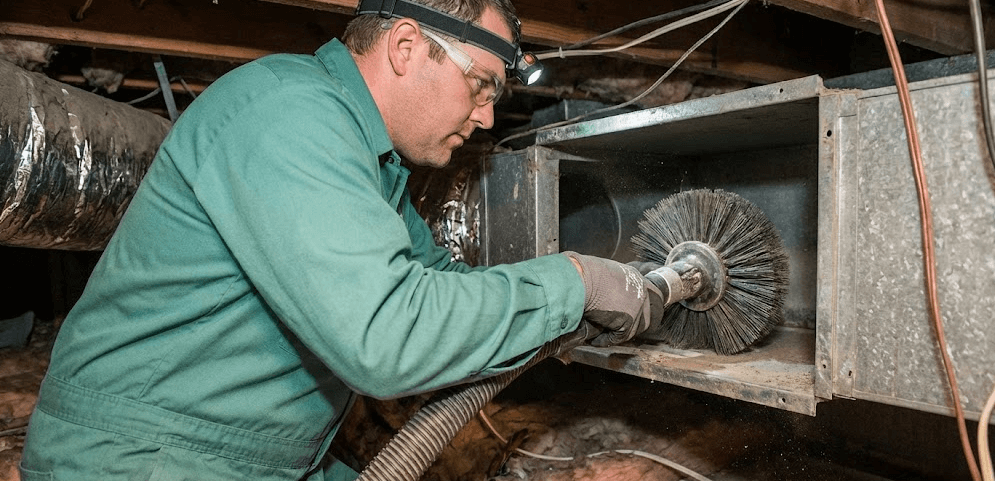
Understanding the Difference: Grease vs. Dust in Kitchen Exhausts
Kitchen exhaust systems are exposed to a unique combination of airborne particles. Grease is produced during cooking, especially when frying or grilling, and tends to build up as a sticky, stubborn layer on filters, fans, and ductwork. Dust, on the other hand, is composed of fine particles from the air, including skin cells, fabric fibers, and outdoor debris. While dust is generally dry and loose, grease is oily and adheres tightly to surfaces.
Knowing the distinction between these two contaminants is crucial for selecting the right cleaning technique. Grease buildup can pose a significant fire risk, while excessive dust can restrict airflow and reduce the efficiency of your exhaust system.
Why Proper Cleaning Matters for Safety and Air Quality
Neglecting regular cleaning of your kitchen exhaust can lead to several problems:
- Fire risk: Grease is highly flammable. Even a small spark or high heat can ignite accumulated grease inside the exhaust system.
- Poor air quality: Dust and grease can recirculate back into your kitchen, leading to unpleasant odors and potential respiratory issues.
- Reduced efficiency: A clogged exhaust system has to work harder, consuming more energy and potentially shortening the lifespan of your equipment.
According to the U.S. Environmental Protection Agency’s guidance on duct cleaning, regular maintenance is important for preventing indoor air quality problems, especially in high-use areas like kitchens.
Best Methods for Removing Kitchen Exhaust Grease
Grease removal requires a different approach than dust. Here’s how to effectively tackle oily buildup:
-
Disassemble and Soak Filters:
- Remove metal mesh or baffle filters from the exhaust hood.
- Soak them in hot, soapy water or a degreasing solution for at least 15–30 minutes.
- Scrub with a non-abrasive brush to remove stubborn grease.
-
Use Degreasers:
- Apply a commercial kitchen degreaser or a homemade mix of baking soda and vinegar to greasy surfaces.
- Let it sit for several minutes before wiping clean with a damp cloth.
-
Clean the Fan and Hood:
- Wipe down the inside of the hood and the fan blades with a degreaser-soaked cloth.
- Be careful not to get electrical components wet.
-
Rinse and Dry:
- Rinse all cleaned parts thoroughly with water and dry completely before reassembling.
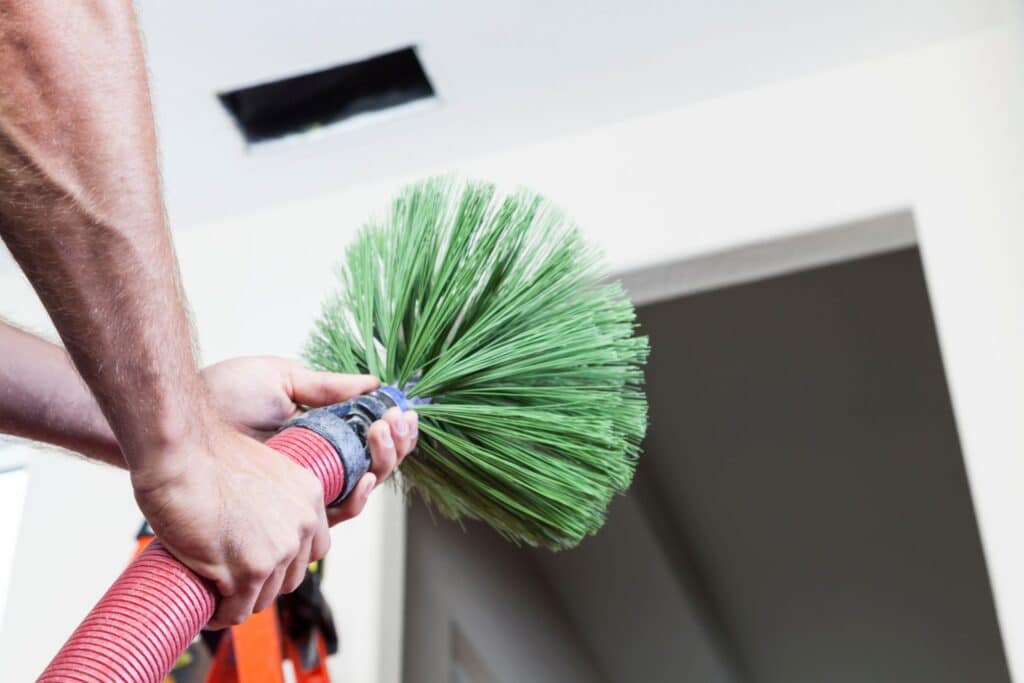
How to Remove Dust from Kitchen Exhaust Systems
Dust is much easier to remove than grease, but it still requires attention to detail. Here’s a step-by-step approach:
-
Turn Off Power:
- Always ensure the exhaust fan is off and unplugged before cleaning.
-
Vacuum Loose Dust:
- Use a vacuum cleaner with a brush attachment to remove dust from the hood, fan, and accessible ductwork.
- Pay special attention to corners and crevices where dust accumulates.
-
Wipe Surfaces:
- Dampen a microfiber cloth with water or a mild cleaning solution and wipe down all surfaces.
- For stubborn dust, a soft-bristled brush can help dislodge particles.
-
Replace or Wash Filters:
- If your filters are disposable, replace them as needed. Washable filters should be cleaned regularly to prevent dust buildup.

Comparing Cleaning Techniques for Grease and Dust
When looking at how to clean kitchen exhaust grease vs dust, the main differences are in the cleaning agents and the amount of effort required. Grease removal demands strong degreasers and more scrubbing, while dust can often be handled with vacuuming and gentle wiping. Here’s a quick comparison:
| Contaminant | Best Cleaning Method | Recommended Frequency |
|---|---|---|
| Grease | Degreaser soak, scrubbing, hot water rinse | Monthly (or more often for heavy cooking) |
| Dust | Vacuuming, microfiber wiping | Every 1–2 weeks |
Tips for Preventing Grease and Dust Buildup
- Run your exhaust fan every time you cook to capture airborne grease and dust before they settle.
- Wipe down the hood and nearby surfaces after cooking, especially after frying or grilling.
- Schedule deep cleaning of filters and fans at least once a month.
- Consider using a HEPA air scrubber to reduce airborne particles in your kitchen.
- Check for signs of poor air quality, such as lingering odors or visible buildup, and clean as needed.
For more advanced cleaning methods, you may want to learn about the negative air pressure cleaning method, which is especially effective for ductwork beyond the kitchen exhaust.
When to Call a Professional
While routine cleaning can be handled by most homeowners, there are situations where professional help is recommended:
- Grease buildup is thick or hard to reach.
- There are signs of mold or persistent odors.
- The exhaust system hasn’t been cleaned in over a year.
- You notice symptoms of poor indoor air quality, such as headaches or allergies. Learn more about symptoms of sick building syndrome from ducts for additional warning signs.
Professionals have specialized tools and cleaning agents to ensure thorough removal of both grease and dust, reducing risks and improving air quality.
FAQ
How often should I clean my kitchen exhaust filters?
For most households, cleaning metal mesh or baffle filters every month is recommended, especially if you cook frequently or use oil-based recipes. If you notice visible buildup or reduced airflow, clean them sooner.
Can I use the same cleaner for both grease and dust?
No, grease requires a degreaser or hot, soapy water to break down oily residue, while dust can be removed with a vacuum and mild cleaning solution. Using the right product for each contaminant ensures more effective cleaning and prevents damage to your exhaust system.
What are the risks of not cleaning kitchen exhaust grease?
Failing to remove grease can lead to fire hazards, unpleasant odors, and reduced efficiency of your exhaust fan. Over time, grease buildup can also attract pests and contribute to poor indoor air quality.
Is it necessary to clean the ductwork connected to my kitchen exhaust?
Yes, periodic cleaning of the connected ductwork is important to prevent the spread of grease and dust throughout your ventilation system. For tips on safe duct cleaning, refer to how to clean insulated ductwork safely.
By understanding the differences in how to clean kitchen exhaust grease vs dust and following the right cleaning routines, you can keep your kitchen safer, your air cleaner, and your appliances running efficiently.