Maintaining clean air ducts is crucial for the health and comfort of any home, but older properties present unique challenges. Over time, dust, debris, and even mold can accumulate in ductwork, especially in houses built decades ago. Understanding how to clean ducts in an old house safely requires careful planning and attention to the building’s age, materials, and potential hazards.
Older duct systems may contain fragile materials, legacy insulation, or even hazardous substances like asbestos. Taking the right precautions not only improves indoor air quality but also protects the integrity of your home and the health of its occupants. Before diving into the cleaning process, it’s wise to familiarize yourself with the structure and history of your property’s HVAC system.
For those dealing with insulated ductwork, you may also find helpful tips in our guide on how to clean insulated ductwork safely.
Understanding the Risks of Cleaning Old Ductwork
When approaching the task of cleaning ducts in older homes, it’s important to recognize the specific risks involved. Many older houses have duct systems made from materials that are no longer considered safe or durable. For example, asbestos insulation was commonly used in homes built before the 1980s. Disturbing these materials without proper precautions can release hazardous fibers into the air.
Other risks include:
- Fragile ductwork: Metal ducts may have rusted or weakened joints, while fiberboard or flex ducts can deteriorate over time.
- Mold and bacteria: Moisture problems in older homes can lead to microbial growth inside ducts, which can worsen allergies and respiratory issues.
- Legacy debris: Construction dust, rodent droppings, and even remnants of old insulation may be present, requiring careful removal.
Before starting, inspect the duct system for visible damage, unusual odors, or signs of past repairs. If you suspect asbestos or other hazardous materials, consult a professional before proceeding.
Preparing for Safe Duct Cleaning in Vintage Homes
Proper preparation is key to a successful and safe cleaning process. Start by gathering the right tools and protective equipment. You’ll need:
- High-efficiency vacuum with HEPA filtration
- Soft-bristle brushes and microfiber cloths
- Protective gloves, goggles, and a quality respirator mask
- Plastic sheeting and painter’s tape to seal vents and protect living spaces
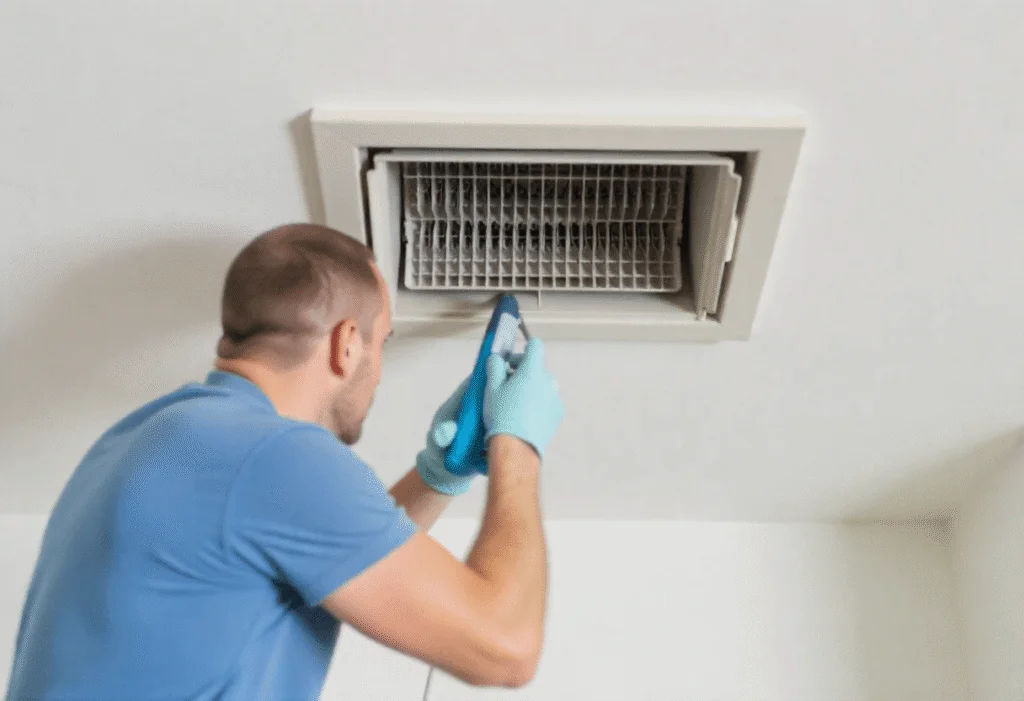
Turn off the HVAC system before beginning any cleaning. This prevents dust and debris from circulating during the process. Remove vent covers and inspect them for rust or buildup. Clean these separately using soap, water, and a brush.
Sealing off registers and returns with plastic sheeting helps contain dust and prevents it from spreading to other areas of the home. If you’re concerned about air quality during cleaning, consider using a portable HEPA air scrubber for added protection.

Step-by-Step Guide to Cleaning Ducts in Older Properties
Once you’ve prepared the area and gathered your supplies, follow these steps to clean your ductwork safely:
- Inspect for hazards: Carefully check for signs of asbestos, mold, or severe deterioration. If you find any, stop and consult a professional.
- Remove vent covers: Unscrew and take off all accessible vent and return covers. Soak and scrub them clean.
- Vacuum accessible ducts: Using a HEPA-filtered vacuum, gently clean inside the duct openings. Avoid aggressive brushing that could damage fragile materials.
- Brush and wipe: For metal ducts, use a soft brush to loosen dust and debris. For fiberboard or flex ducts, use only a microfiber cloth to prevent tearing.
- Check for blockages: Shine a flashlight into the ducts to look for obstructions or heavy buildup. Remove what you can reach without forcing tools deep into the system.
- Clean blower and return air boot: If accessible, gently vacuum the blower compartment and return air boot, as these areas often collect dust in older systems.
- Replace filters: Install a new, high-quality air filter to help maintain air quality after cleaning.
Throughout the process, avoid using harsh chemicals or excess moisture, as these can damage older duct materials or promote mold growth. If you encounter extensive contamination or inaccessible areas, professional duct cleaning may be necessary.
Special Considerations for Legacy Duct Materials
Many older homes feature ductwork made from materials not commonly used today. Understanding these materials helps you avoid damage and health risks:
- Asbestos-wrapped ducts: Never disturb or attempt to clean ducts suspected of containing asbestos. Only certified professionals should handle these materials.
- Fiberboard and flex ducts: These are prone to tearing and should be cleaned with extreme care. Avoid abrasive brushes or high-powered vacuums.
- Metal ducts: While more durable, older metal ducts may have rust or loose joints. Inspect for leaks and repair as needed before cleaning.
For more on advanced cleaning methods, see our article about the negative air pressure cleaning method, which is often used by professionals to safely clean delicate ductwork.
When to Call a Professional for Duct Cleaning
While many homeowners can handle basic duct cleaning, certain situations require expert help. If you notice any of the following, it’s best to contact a qualified technician:
- Visible mold growth inside ducts or on HVAC components
- Suspected asbestos or other hazardous materials
- Extensive rodent or insect infestation
- Ducts that are inaccessible or heavily deteriorated
Professionals use specialized equipment and techniques to safely clean and restore ductwork in older homes. They can also inspect for leaks, damage, and other issues that may impact your HVAC system’s efficiency and air quality.
For those interested in a more detailed walkthrough, this step-by-step guide to cleaning air ducts yourself offers additional insights and safety tips.
Maintaining Clean Ducts in Older Homes
After cleaning, regular maintenance helps prevent future buildup and keeps your home’s air healthy. Here are some practical tips:
- Replace HVAC filters every 1–3 months, or as recommended by the manufacturer.
- Inspect vent covers and duct openings for dust or debris during routine cleaning.
- Address moisture issues promptly to prevent mold growth.
- Consider installing UV lights in your HVAC system to help control bacteria and mold. Learn more about the role of UV lights in duct cleanliness.
- Schedule professional inspections every few years, especially if you notice changes in air quality or system performance.
Maintaining clean ducts not only improves air quality but can also extend the life of your HVAC system and reduce energy costs.
FAQ: Duct Cleaning in Older Houses
Is it safe to clean ducts in a house built before 1978?
Cleaning ductwork in homes built before 1978 requires extra caution due to the possible presence of asbestos and lead-based materials. Always inspect for hazardous substances before starting, and consult professionals if you suspect their presence.
How often should ducts be cleaned in older homes?
For vintage properties, it’s generally recommended to inspect ducts every 3–5 years. Cleaning frequency depends on factors such as dust levels, presence of pets, and any history of water damage or mold.
What are the signs that duct cleaning is needed?
Common indicators include visible dust blowing from vents, musty odors, increased allergy symptoms, or evidence of rodent/insect activity in the ductwork. If you notice any of these, a thorough inspection and cleaning may be warranted.
Can I use regular household vacuums to clean ducts?
Standard vacuums may not have adequate filtration and can release fine dust back into the air. For best results, use a vacuum with a HEPA filter or hire a professional with specialized equipment.
Are there ways to keep ducts cleaner between professional cleanings?
Yes. Regularly changing filters, keeping vents clean, controlling humidity, and addressing leaks promptly all help maintain cleaner ductwork. During home renovations, seal off vents to prevent construction dust from entering the system. For more tips, see our article on ways to keep ducts clean during remodeling.