Maintaining a clean central air intake is essential for anyone looking to enhance indoor air quality and keep their HVAC system running efficiently. Dust, pollen, pet hair, and other debris can accumulate in the intake, reducing airflow and potentially circulating contaminants throughout your home. Learning how to clean central air intake not only helps your system perform better but also supports a healthier living environment for your family.
Regularly attending to your air intake is a straightforward task that can prevent larger issues down the line. In this guide, you’ll find step-by-step instructions, practical tips, and answers to common questions about keeping your air intake spotless. For those interested in broader HVAC maintenance, you may also want to explore topics like how to clean an HRV filter for a more comprehensive approach to indoor air quality.
Why a Clean Air Intake Matters
The central air intake is the gateway for all the air that circulates through your HVAC system. When it becomes clogged with dust and debris, your system must work harder to pull in air, which can lead to higher energy bills and increased wear on components. More importantly, a dirty intake can allow allergens and pollutants to recirculate, affecting the air you breathe every day.
By keeping this part of your system clean, you help ensure that your home’s air remains fresh and free from unnecessary contaminants. This is particularly important for households with allergy sufferers, pets, or anyone sensitive to indoor air quality.
Signs Your Central Air Intake Needs Cleaning
- Visible dust or debris around the intake grille
- Reduced airflow from vents
- Unusual odors when the HVAC system runs
- Increased allergy symptoms or respiratory discomfort
- Noticeable buildup on or around air filters
If you notice any of these issues, it’s a good indication that your intake could use a thorough cleaning.
Step-by-Step Guide: Cleaning Your Central Air Intake
Before starting, gather the following supplies:
- Screwdriver (if your intake grille is screwed in place)
- Vacuum cleaner with brush attachment
- Microfiber cloths
- Mild detergent or cleaning solution
- Replacement air filter (if needed)
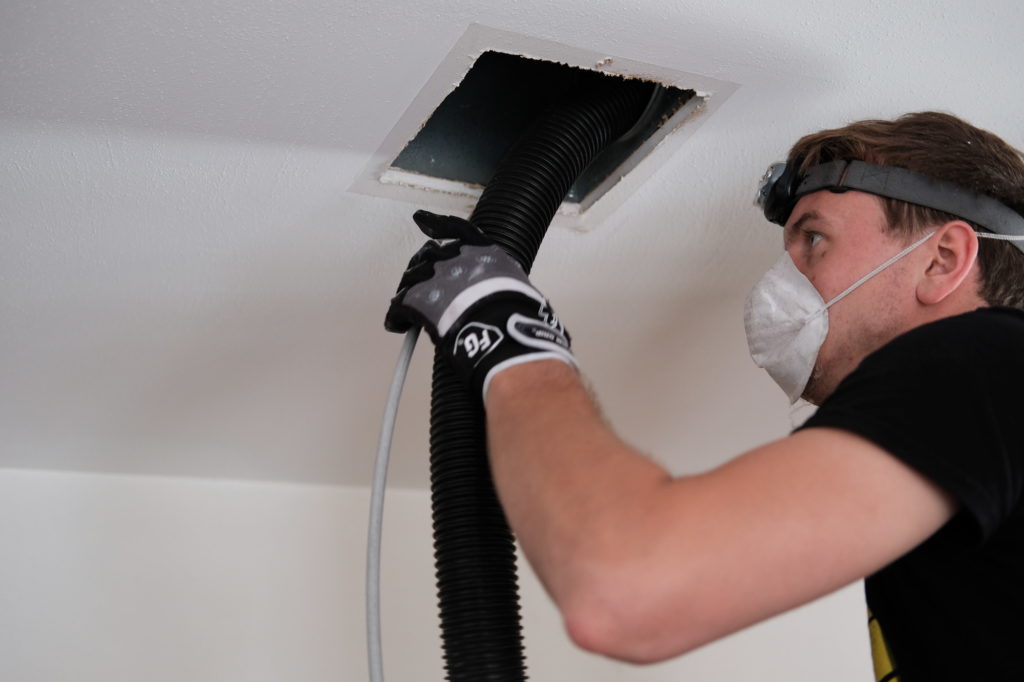
1. Turn Off the HVAC System
For safety and to prevent dust from circulating, switch off your HVAC system at the thermostat or breaker before you begin cleaning.
2. Remove the Intake Grille
Most central air intakes have a grille secured by screws or clips. Use a screwdriver to carefully remove it. Set the screws aside in a safe place so you can easily reattach the grille later.
3. Clean the Grille Thoroughly
Take the grille outside if possible. Use a vacuum with a brush attachment to remove loose dust and debris. Next, wash the grille with a mild detergent and warm water. Rinse and allow it to dry completely before reinstalling.
4. Vacuum Inside the Intake
With the grille removed, use your vacuum’s hose and brush attachment to clean inside the intake cavity. Focus on corners and any visible buildup. Be gentle to avoid damaging any wiring or components inside.
5. Check and Replace the Air Filter
Most central air intakes have an air filter located just behind the grille. Remove the filter and inspect it. If it’s dirty or clogged, replace it with a new one. A clean filter is crucial for maintaining good airflow and trapping airborne particles.
6. Wipe Down Surrounding Surfaces
Use a damp microfiber cloth to wipe down the area around the intake, removing any lingering dust. Make sure everything is dry before reassembling.
7. Reinstall the Grille and Turn the System Back On
Once everything is clean and dry, reattach the grille using the screws you set aside. Restore power to your HVAC system and enjoy improved airflow and air quality.

How Often Should You Clean Your Air Intake?
For most homes, cleaning the central air intake every three to six months is sufficient. However, if you have pets, allergies, or live in a dusty environment, monthly checks and cleanings may be necessary. Regular filter changes are also vital—most filters should be replaced every 1–3 months, depending on usage and filter type.
Staying on top of this maintenance task can extend the life of your HVAC system and help prevent costly repairs in the future.
Additional Tips for Maintaining Air Quality
- Use high-quality, HEPA-rated filters for maximum particle capture.
- Consider professional duct cleaning every few years, especially if you notice persistent dust or musty odors.
- Keep the area around your intake free from obstructions like furniture or curtains.
- Monitor for signs of mold or moisture, which may indicate a larger HVAC issue.
- For more advanced cleaning, review guides on how to clean a multi zone HVAC system or how to identify dead spots in ductwork to optimize your entire system.
DIY vs. Professional Cleaning
Most homeowners can handle routine intake cleaning with basic tools and supplies. However, if you notice excessive buildup, mold, or persistent odors, it may be time to call in a professional. They have specialized equipment to thoroughly clean ductwork and address deeper issues.
For a detailed walkthrough of cleaning ducts yourself, check out this step-by-step guide to cleaning heating and air conditioning ducts for additional tips and safety considerations.
Frequently Asked Questions
What happens if I don’t clean my central air intake?
Neglecting this task can lead to reduced airflow, higher energy costs, and increased circulation of dust and allergens. Over time, it may also cause strain on your HVAC system, leading to breakdowns or costly repairs.
Can I use any cleaning products on the intake grille?
It’s best to use mild detergent and water. Avoid harsh chemicals or abrasive cleaners, as they can damage the finish or leave harmful residues that may circulate through your home.
How do I know if my air filter needs replacing?
If the filter looks gray, clogged, or you notice reduced airflow, it’s time for a replacement. Most filters have a recommended replacement schedule printed on the frame—follow these guidelines for best results.
Is it safe to clean the intake myself?
Yes, as long as you turn off the HVAC system and use appropriate tools. If you encounter mold, excessive dirt, or anything unusual, consult a professional for help.
Conclusion
Keeping your central air intake clean is a simple yet impactful way to maintain healthy indoor air and ensure your HVAC system operates at its best. With regular attention and the right approach, you can enjoy cleaner air, lower energy bills, and a more comfortable home environment. Don’t forget to check related maintenance topics, such as how to remove charcoal dust from vents or how to check for dust in a heat pump, to further enhance your home’s air quality.